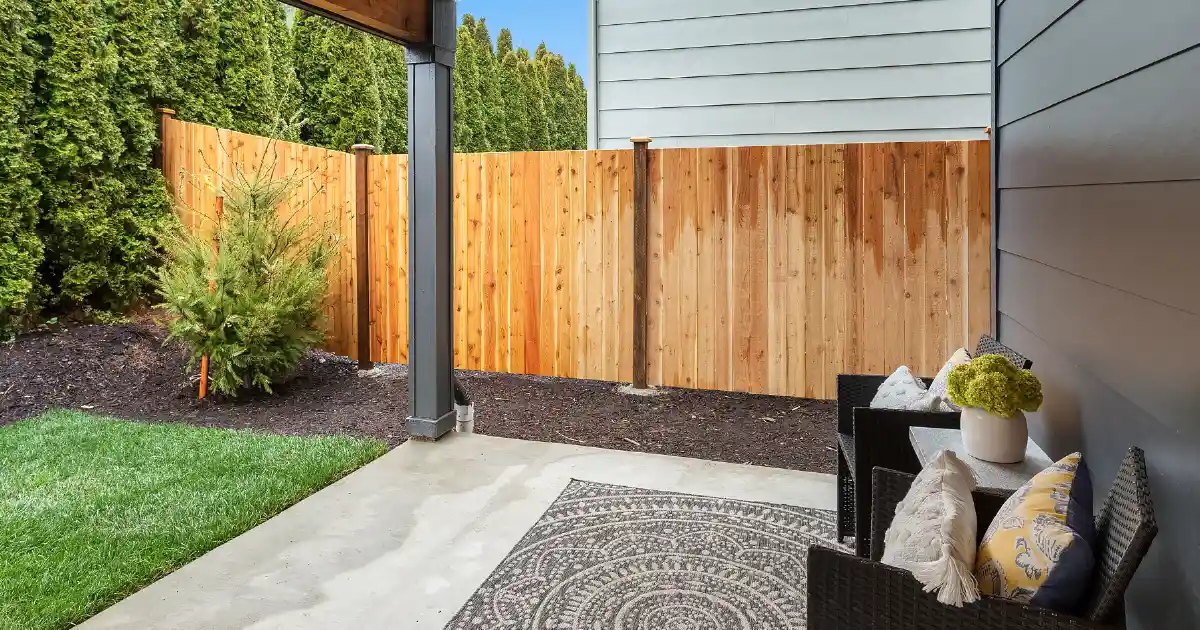
Author: sunilm

  • Best Fall Activities near Bothell, WA 

    Best Fall Activities near Bothell, WA 

    As the crisp autumn air settles in and the vibrant colors of fall start to paint the landscape, Bothell, WA, becomes a picturesque destination for those looking to enjoy the season. Whether you’re a local or just visiting, there are no shortages of activities to make the most of this beautiful time of year. Here’s a roundup of the best fall activities near Bothell. 

     1. Explore the North Creek Trail 

    The North Creek Trail offers a serene escape into nature right in the heart of Bothell. As the leaves change color, the trail transforms into a stunning corridor of reds, oranges, and yellows. Perfect for a leisurely walk, bike ride, or even birdwatching, this trail is a must-visit for those who want to immerse themselves in the beauty of fall. 

    2. Visit a Local Pumpkin Patch 

    Nothing says fall quite like a visit to a pumpkin patch. Just a short drive from Bothell, Craven Farm and Stocker Farms are popular spots for families to pick pumpkins and enjoy hayrides, corn mazes, and festive fall activities. Additionally, check out Remlinger Farms in Carnation for a family-friendly pumpkin patch experience and JBL Family Growers for their unique puzzle patch. Be sure to visit their websites for details on opening dates: Remlinger Farms and JBL Family Growers

     3. Savor the Season at Local Breweries 

    Bothell and the surrounding areas are home to several fantastic breweries that offer seasonal brews perfect for fall. Pop into McMenamins Anderson School or Beardslee Public House to enjoy a pint of their autumn-inspired beers. Pair your drink with some hearty seasonal fare, and you’ve got the perfect cozy evening. 

     4. Stroll Through the Bothell Landing Park 

    Bothell Landing Park is a great spot for a peaceful autumn stroll. The Sammamish River flows gently alongside the park, reflecting the golden hues of the surrounding trees. The historic bridge and quaint buildings add a touch of nostalgia, making it an ideal spot for a relaxing afternoon. 

     5. Spend a Day at the Edmonds Market 

     The Edmonds Farmers Market runs through the last Saturdays of fall and is a wonderful way to enjoy the local harvest season. Just a short drive from Bothell, the market offers a vibrant selection of fresh produce, handmade goods, and seasonal treats. After exploring the market, make a day of it by strolling through the charming streets of Edmonds, visiting local shops, and dining at one of the town’s many restaurants. Several eateries, like Epulo Bistro, feature special seasonal menus during the fall, offering dishes you won’t find any other time of year. It’s the perfect way to enjoy the best of fall flavors while soaking in the small-town charm of Edmonds. 

     6. Go Apple Picking 

    Take a short drive to nearby Woodinville, where you can go apple picking at one of the many orchards. Kelsey Creek Farm offers a fun and educational experience for families, complete with apple picking, petting zoos, and scenic hayrides. There’s nothing quite like biting into a fresh, crisp apple that you picked yourself! 

     7. Experience Fall Foliage at Saint Edward State Park 

    Saint Edward State Park is a hidden gem located just a few miles from Bothell. The park’s extensive trails wind through dense forests, which come alive with vibrant fall colors. It’s an excellent spot for hiking, photography, or simply enjoying a picnic surrounded by nature’s autumnal display. 

     8. Take a Scenic Drive 

    For those who love to take in the scenery from the comfort of their car, a scenic drive through the Snoqualmie Valley offers breathtaking views of fall foliage. Stop by Snoqualmie Falls for a dramatic waterfall backdrop, or continue on to the small town of Carnation for a cozy, small-town experience. 

     9. Enjoy a Round of Golf at Valley Golf and Woodinville Sports Club 

    If you’re a golf enthusiast, fall is the perfect time to hit the greens at Valley Golf & Country Club or Woodinville Sports Club. Located near Bothell, these courses offer a scenic backdrop of fall foliage while providing a fun challenge for golfers of all skill levels. Valley Golf is known for its well-maintained fairways and friendly atmosphere, while Woodinville Sports Club offers a range of golfing facilities, including driving ranges and lessons for beginners. Check each company’s website for details. Enjoy the crisp autumn air as you tee off with friends or family, and soak in the beautiful fall colors surrounding the course. 

    10. Visit Stocker Farms and Thomas Family Farms for Fall Fun and Spine-Chilling Good Times 

    For a true taste of autumn, head to Stocker Farms or Thomas Family Farms, both located just a short drive from Bothell. Stocker Farms offers a wide range of fall-themed activities, including their iconic corn maze, pumpkin patch, and a spooky haunted maze for those seeking a thrill. There are also plenty of family-friendly attractions like hayrides, farm animals, and a giant jumping pillow, making it a perfect destination for all ages. 

    At Thomas Family Farms, you can enjoy their expansive pumpkin patch, tractor rides, and a kid-friendly corn maze. For those looking for something a bit more adventurous, they also offer zombie paintball, where you can fend off “zombies” from the back of a wagon. It’s a fantastic spot to embrace the fall spirit and create lasting memories with family and friends. 

    As you enjoy all the seasonal delights that Bothell has to offer, you might find yourself falling in love with the charm and community of this area. If you’re considering making Bothell your home, now is the perfect time to explore the range of MSR communities’ homes for sale. With our modern amenities, convenient locations, and stylish designs, our homes are ideal for those who want to enjoy all the benefits of living in this vibrant, nature-rich region. 

    Don’t miss out on the opportunity to be part of this thriving community. As you explore the fall activities in the area, take a moment to imagine what it would be like to live here year-round. Bothell’s homes are ready to welcome you this fall! 

  • Brickyard: Experience Luxury Living in Bothell (Pre-Sale Now!) 

    Brickyard: Experience Luxury Living in Bothell (Pre-Sale Now!) 

    Life at Bothell 

    Nestled in the heart of the Pacific Northwest, Bothell seamlessly blends suburban tranquility with urban convenience. Known for its top-rated schools, vibrant community, and convenient access to Seattle and other major cities, Bothell offers a perfect blend of natural beauty and modern amenities. Residents here enjoy the best of both worlds—peaceful surroundings paired with a dynamic lifestyle. 

    Now, with the pre-sale launch of Brickyard, this lifestyle is set to reach new heights. Brickyard’s luxurious, customizable homes offer future homeowners the chance to design their dream living space while enjoying proximity to scenic parks, renowned wineries, and the energy of nearby city life. More than just a housing development, Brickyard is a rare pre-sale opportunity to shape your home in one of the Pacific Northwest’s most desirable communities.  

    Read further on Brickyard luxury living in-depth and start envisioning your future home. 

    Luxury Single-Family Homes 

    Brickyard features an exquisite collection of four single-family homes, each designed to exceed your expectations.  

    These meticulously crafted residences boast following features: 

    • Spacious Interiors: Ranging from 3,061+ square feet, each home offers ample room with multiple bedrooms, bathrooms, and open-plan layouts perfect for modern living. 
    • Gourmet Kitchens: Wake up your inner chef with state-of-the-art appliances like Thermador stainless steel, expansive quartz countertops, and a sleek chef’s kitchen layout. 
    • Master Suites: Retreat to your private suite featuring spa-like bathrooms with soaking tubs, walk-in showers, double vanities, and spacious walk-in closets. 
    • Optional Basement Suite: Add flexibility to your living space with an optional basement bedroom and bathroom, ideal for guests or a home office. 
    • Outdoor Living: Relax and entertain on your private covered deck, featuring a dual-sided fireplace for year-round enjoyment. Enjoy the beautiful Pacific Northwest weather in your private backyard, enhanced by a natural growth protection area for added privacy. 

    Why Buy Pre-Sale Luxury Homes at Brickyard? 

    Investing in a pre-sale luxury home at Brickyard offers several advantages: 

    • Customization Options: Choose from a variety of finishes and upgrades such as cabinetry, flooring, countertops, and paint colors to personalize your living space. 
    • Competitive Pricing: Be among the first to secure your dream home at potentially lower prices before the homes are completed. 
    • Prime Location: Secure your spot in this sought-after Bothell neighborhood before prices rise. 

    Nearby Amenities for Everyday Convenience 

    Brickyard is conveniently located near a wealth of amenities, ensuring a comfortable and convenient lifestyle: 

    • Shopping and Dining: Explore nearby shops, restaurants, and cafes in Bothell’s vibrant downtown, offering diverse culinary experiences. 
    • Education: Benefit from access to top-rated schools within the Northshore School District, providing quality education for your children. 
    • Healthcare: Enjoy peace of mind with nearby hospitals and medical facilities like Evergreen Health. 
    • Outdoor Adventures: Enjoy a range of recreational activities, such as parks, trails like the Sammamish River Trail, and more. 
    • Easy Commuting to Major Cities: Brickyard offers excellent accessibility, with easy access to major highways like I-405 and I-5, allowing for effortless commutes to Seattle, Bellevue, Redmond, and other nearby cities. 

    Floor Plan Features: Flexibility to Suit Your Needs 

    Brickyard offers three well-designed floor plans, Plan 3061, Plan 3098, and Plan 3500, catering to your unique lifestyle preferences. All plans offer spacious living areas, gourmet kitchens, luxurious master suites, and private backyards. 

    • Plan 3061: Size: 3,061 sq. ft. 

    Bedrooms/Bathrooms: 5 beds, 3.75 baths 

    This plan offers a spacious, open concept living space with a bedroom and full bath conveniently located on the main level. The chef’s kitchen includes a walk-in pantry, and the living room features a dual-sided fireplace extending to a covered deck for indoor-outdoor entertainment. Upstairs, the primary suite includes a spa-like bath and walk-in closet, along with a bonus room for flexible living space. With a 2-car garage, you’ll have plenty of room for parking and storing your belongings. 

    • Plan 3098: Size: 3,098 sq. ft. 

    Bedrooms/Bathrooms: 5 beds, 3.75 baths 

    This layout maximizes functionality with a spacious main floor that includes a bedroom and full bath. A large, covered deck extends from the living area, which also features a cozy dual-sided fireplace. The upper level houses the primary suite, complete with a large walk-in closet and luxurious bath. A bonus room and mudroom provide additional convenience. This plan also includes a 2-car side-by-side garage. 

    • Plan 3500: Size: 3,500 sq. ft. 

    Bedrooms/Bathrooms: 6 beds, 4.75 baths 

    The most spacious of the Brickyard plans, Plan 3500 is designed for multi-generational living with a junior primary suite on the main level. The home boasts a dual-sided fireplace, a spacious walk-in pantry, and a gourmet kitchen. The upper level features a flexible bonus room and a luxurious primary suite with a spa-like bathroom. A standout feature is the lower level, which includes a bedroom, full bath, rec room, and patio, offering flexibility for entertainment or guest accommodation. 

    A Home for Every Generation 

    Brickyard’s thoughtfully designed floor plans cater to every lifestyle and age group. Young families will find these homes ideal with their spacious living areas, adaptable layouts, nearby schools, and plenty of outdoor space. For empty nesters, low-maintenance living, a peaceful neighborhood, and nearby amenities offer a perfect retreat. And for multigenerational living, Brickyard provides ample space for extended families, flexible floor plans, and accessibility features. With its versatility and adaptability, Brickyard truly is a home for every generation. 

    Final Move 

    Brickyard in Bothell presents a unique opportunity to embrace luxurious, modern living in a community that balances convenience with serenity. With its exceptional design features, prime location, suitability for all ages, and pre-sale advantages, Brickyard is the ideal place to find your new home. 

    To explore the luxury single-family homes for sale in Bothell, and to learn more about available pre-sale opportunities, contact us today or schedule a tour.  

  • Is Your New Home Secure? Understanding Title Insurance and Why It Matters

    Is Your New Home Secure? Understanding Title Insurance and Why It Matters

    A new home brings endless possibilities—opening doors to joy, opportunities, new beginnings, and a lively community. However, along with the excitement comes a mix of emotions—anxiety about making the right decision, concerns about the quality you’ll receive, ensuring you get value for your money, and more. As you navigate this journey, it’s natural to feel slightly overwhelmed. That’s why we’re here to help you understand one of the most important real estate terms—title insurance—so you can step into this new chapter with confidence and peace of mind. 

    What is Title Insurance? 

    Title insurance is an essential part of your home buying process. It provides protection for homebuyers and lenders against financial losses arising from title defects,  which are legal issues or claims that could potentially challenge your ownership rights. 

    How Does Title Insurance Work?  

    Title insurance acts as a safety net, protecting you and your lender from potential financial risks associated with title defects. These defects can range from minor clerical errors in public records to more serious issues like undisclosed liens, forgery, or fraud. 

    Compared to other types of insurance, title insurance provides coverage for past events that might have yet to be discovered during the title search process. A title search is a thorough examination of a property’s history to identify any potential problems. If any issues are found, they are typically resolved before closing. However, some problems may only be detected after the purchase, which is where title insurance becomes crucial. 

    Type of Title Insurance:  

    • Owner’s Title Insurance: This policy protects the homeowner’s equity, guarding against financial loss if a title issue arises after acquisition. 
    • Lender’s Title Insurance: If a title defect arises, this insurance ensures the lender can recover their investment. It’s a crucial safeguard for lenders, providing them with financial security in case of title-related issues. 

    What Does Title Insurance Cover? 

    Title insurance covers a wide range of potential issues that could arise with the property’s title. While every policy may vary slightly depending on the insurance provider, most title insurance policies cover the following common risks: 

    • Public Records Mistakes: Flaws in public documentation, including errors in a property deed or survey, can trigger costly legal issues. Title insurance protects you from these errors and covers any associated legal fees. 
    • Unknown Liens: Previous owners may have left behind unpaid debts, such as property taxes or contractor fees, which can result in liens against the property. Title insurance ensures that you won’t be held responsible for these debts. 
    • Forgery and Fraud: Unfortunately, fraudulent activity, such as forged signatures on property documents, can occur. Title insurance protects you if someone tries to claim ownership of your property based on fraudulent documents. 
    • Undisclosed Heirs: If a previous owner passed away without properly disclosing all heirs, those heirs could come forward and claim ownership of the property. Title insurance covers you in the event of such claims. 
    • Boundary and Survey Disputes: Discrepancies in property boundaries can lead to disputes with neighbors over where one property ends, and another begins. If such conflicts arise, title insurance will cover the legal fees and losses.  
    • Encumbrances and easements: Encumbrances, such as unpaid mortgages or judgements against the property, might impair your ownership rights. Easements, which allow others to use your property for certain purposes, can also be problematic.  

    What Isn’t Covered by Title Insurance? 

    While title insurance provides broad protection, it’s important to understand that there are certain things it doesn’t cover. Let’s take a closer look. 

    • Problems caused by your own actions: If you take out a second mortgage on the property or fail to pay property taxes, title insurance won’t cover any resulting issues. 
    • Zoning or building code violations: Title insurance doesn’t cover problems related to your property’s zoning classification or any violations of local building codes. 
    • Environmental Risks: Title insurance does not extend coverage to issues related to environmental hazards, such as soil contamination or air and water pollution, which can have significant impacts on property value and safety.  
    • Unrecorded Claims: Title insurance may not cover claims or rights to the property that are not officially documented in public records. If such claims exist, they might fall outside the protection provided by the policy. 

    Why Is Title Insurance Important? 

    Title insurance is essential as it offers peace of mind and financial security against unexpected problems that could threaten your property ownership rights. Without title insurance, you could be responsible for resolving any title disputes on your own, which could result in significant legal fees and financial losses. For most homebuyers, the relatively small cost of title insurance is a worthwhile investment in protecting what is likely their largest asset. 

    How to Obtain Title Insurance? 

    Title insurance is typically obtained during the home buying process, usually as part of the closing procedure. Your real estate agent, attorney, or lender may recommend a particular title insurance company. The title insurance provider will perform an in-depth title search to uncover any existing issues before issuing the title insurance policy. 

    When choosing a title insurance provider, it’s important to shop around and compare costs, as prices can vary. While you may be inclined to go with the provider recommended by your real estate agent or lender, don’t hesitate to ask questions and explore your options. 

    Conclusion 

    Title insurance is a critical component of the home buying process, providing essential protection against a range of potential issues that could affect your property ownership rights. By understanding what title insurance is and what it covers, you can make informed decisions and ensure that your investment in your new home is secure. Whether you’re a first-time homebuyer or a seasoned homeowner, title insurance offers peace of mind and financial security, allowing you to enjoy your new home with confidence. Remember, being aware of state-specific variations and consulting with legal professionals can further safeguard your investment.  

    Looking for a home that’s a safe investment? Explore MSR Communities ready-to-move-in homes today. 

  • When Do I Need Building Permits for Home Improvements? 

    When Do I Need Building Permits for Home Improvements? 

    Transforming your living space is an exciting journey, but before you start knocking down walls, it’s essential to understand the world of building permits. Building permits act as the guardians of safety and ensure your home improvement dreams conform to local building codes. Skipping this step can lead to costly delays, fines, or even the nightmarish scenario of having to redo your entire project. So, how do you know if your home improvement project qualifies for a permit? Worry not, this blog post will be your trusty guide, demystifying the permit process and ensuring your home renovation runs smoothly. 

    if navigating permits and renovations feels overwhelming, consider new construction homes for sale. These move-in-ready options eliminate the need for permits and renovations. Find a home that already fits your needs, allowing you to focus on creating memories in your dream home. 

    Building Permit Details: A Deep Dive 

    Understanding the specifics of when building permits are required can save you time, money, and frustration during your home improvement project. Let’s delve deeper into each category: 

    Structural Changes: 

    • Identifying Load-Bearing Walls: These walls support the weight of the upper floors and roof. Removing a load-bearing wall without proper reinforcement can lead to a structural collapse, so it’s crucial to have a qualified engineer or architect assess the wall before demolition. They can design appropriate support beams or columns to take on the load. 
    • Adding a Room: This typically involves creating new walls, installing a roof, and potentially adding new windows and doors. All of these modifications involve structural elements and almost always necessitate a permit and inspections to ensure they comply with building codes. 
    • Building Dormers: These are protruding window structures that add light and space to upper floors. They can add stress to the roof, so permits are required to ensure proper structural reinforcement is incorporated into the design. 
    • Changing the Roofline: This alters the overall pitch or shape of the roof. Depending on the complexity of the change, a permit might be mandatory. Even minor changes may require a permit to ensure proper drainage and structural integrity. 

    Electrical Work: 

    • Knob-and-tube wiring: If your home has this outdated wiring system, any electrical work will likely require a permit and necessitate replacing the entire system with modern wiring to meet current safety standards. 
    • Ground Fault Circuit Interrupters (GFCIs): These devices protect against electrical shock in areas prone to moisture, like kitchens and bathrooms. Adding GFCI outlets often requires a permit to ensure proper installation. 
    • Increased Electrical Load: Adding appliances or fixtures that significantly increase the electrical demand on your system may necessitate a permit to upgrade your breaker box or service panel to handle the additional load safely. 

    Plumbing Work: 

    • Sewer Line Work: Any modifications to the main sewer line that connects your house to the public sewer system almost always require a permit and inspections to ensure proper installation and prevent leaks or blockages. 
    • Gas Lines: Installing or modifying gas lines for appliances like water heaters, stoves, or fireplaces requires a permit due to the inherent safety risks associated with natural gas. A licensed plumber must perform the work and inspections are mandatory. 
    • Shut-off Valves: Adding readily accessible shut-off valves for water supply lines to fixtures like washing machines or dishwashers is a wise safety measure. While typically not requiring a permit, it’s a good practice to consult with a plumber to ensure proper installation. 

    Major Renovations: 

    • Converting a Garage: This involves significant structural changes, electrical rewiring, plumbing modifications, and likely adding insulation and drywall. A permit is essential to ensure the new living space meets all safety and building code requirements. 
    • Finishing a Basement: Similar to a garage conversion, finishing a basement often involves structural reinforcement for walls and floors, electrical and plumbing work, and potentially new egress windows. A permit is mandatory for such a major renovation. 
    • Adding a Bathroom: This requires plumbing modifications for water supply and drainage, electrical work for fixtures and ventilation, and potentially structural changes to accommodate the additional weight. A permit is crucial to ensure the bathroom meets all plumbing and building codes. 

    Roofing: 

    • Permit Requirements: The need for a permit depends on the extent of the repairs or replacement. Minor repairs like patching leaks or replacing a few shingles typically don’t require a permit. However, if the repairs involve replacing over 25% of the roof’s surface or modifying the roof structure (such as adding a skylight), a permit is mandatory. 
    • Inspections: Permits for roofing projects often involve inspections at various stages, including verifying the underlayment installation, ensuring proper ventilation, and confirming the final installation meets code requirements. 

    Fences and Decks: 

    • Height Restrictions: Most localities have height limitations on fences and decks, usually around 6 feet. Building a fence or deck exceeding this height almost always requires a permit. 
    • Setbacks: Local codes often specify setbacks from property lines for fences and decks. A permit ensures your structure complies with these regulations and avoids potential neighbor disputes. 
    • Materials: Some localities have restrictions on the materials used for fences and decks. A permit helps ensure your chosen materials comply with local regulations. 

    Demolition Projects: 

    • Safety Precautions: Demolition projects, especially those involving load-bearing walls, can be dangerous. A permit ensures a qualified inspector verifies your demolition plan and ensures proper safety measures are in place to protect workers and neighboring properties. 
    • Asbestos Abatement: If your home was built before the 1980s, there’s a chance it contains asbestos-containing materials. Demolition permits often involve inspections to identify asbestos and require its safe removal before demolition begins. 
    • Debris Removal: Permits often specify how demolition debris must be disposed of responsibly. This helps prevent environmental hazards and ensures proper waste management practices are followed. 

    Always Err on the Side of Caution 

    If you’re unsure whether your project requires a permit, it’s always best to consult with your local building department. They can provide specific requirements for your project and ensure a smooth and safe home improvement journey. Obtaining a building permit may seem like a hassle, but it protects you from potential safety hazards, ensures your project complies with building codes, and safeguards the value of your home. 

    Would you rather search for a brand-new home instead of making improvement to your current one? We have many new construction homes for sale now in the Greater Seattle area. We also offer customization options! Explore our communities today. 

  • Soak up the Sun: Best Summer Activities in Kenmore, WA 

    Soak up the Sun: Best Summer Activities in Kenmore, WA 

    Summer’s here in Kenmore, and with it comes a bounty of opportunities for fun in the sun! Whether you’re seeking outdoor adventures, family-friendly events, or laid-back relaxation, the city of Kenmore and the surrounding area offers something for everyone. 

    Embrace the Great Outdoors: 

    • Parks and Trails: Kenmore boasts a network of parks perfect for a summer picnic, frisbee toss, or leisurely stroll. Explore Saint Edward State Park’s scenic trails, unwind amongst Rhododendron Park’s vibrant flowers and lush green spaces, or unleash your inner child at the playground in Log Boom Park. Wallace Swamp Creek Park offers a peaceful escape with its wetland boardwalk, perfect for birdwatching or a quiet nature meditation. And of course, bike roller blade, or jog on the Burek-Gilma Trail – all the way to Seattle if you’re up for it. 
    • Hit the Water: Kayak or paddleboard on the calm waters of Lake Washington, enjoying stunning views of the surrounding mountains. The Kenmore Boat Launch is right next to Rhododendron Park, or if you’re already at Log Boom Park, launch from the Tracy Owen Station. For the more adventurous, head to nearby Bothell Landing for windsurfing or kitesurfing lessons (check online for days and times). 
    • Summer Night Flicks: Gather your friends and family for Kenmore’s community movie nights under the stars! Pack a blanket, some popcorn, and enjoy classic films projected outdoors – a perfect way to unwind on a warm summer evening (check local listings for dates and locations). 

    Local Summer Activities for All Ages: 

    • Kenmore Farmers Market: Immerse yourself in the vibrant Kenmore community at the weekly Farmers Market. Stock up on fresh, local produce, handcrafted goods, and delicious treats. Live music often adds to the festive atmosphere.  
    • Support Local Businesses: Explore Kenmore’s unique shops and restaurants. From artisan cafes and trendy boutiques to family-owned eateries, there’s something to discover around every corner. 
    • Brewery Hopping: For the craft beer enthusiasts, explore Kenmore’s budding brewery scene. Sample local brews at Cairn Brewing Company, 192 Brewing Company / The Lake Trail Taproom, or Postdoc Brewing and enjoy the relaxed atmosphere with friends. 
    • Kenmore Community Events: Stay tuned for exciting events happening throughout the summer! From art walks and live music performances to community festivals, there’s always something on the calendar to keep you entertained. Check the City of Kenmore website or local bulletin boards for upcoming events. 

    Bonus: Hidden Gems and Rainy-Day Activities 

    Seattle is known for its rain, and even in the summer, showers put a damper on outdoor plans. But fret not, Kenmore offers hidden gems and rainy-day activities to keep your spirits high! 

    • Kenmore Community Club: This local hub provides a space for connection and activities. Check their calendar for workshops, game nights, or book clubs – a great way to meet fellow residents and enjoy some indoor fun. 
    • Kenmore Library: Escape the rain and get lost in a good book at the Kenmore Library. They often host author talks, story time for children, or movie screenings – a perfect option for an afternoon indoors. 
    • Indoor Fun Centers: Rainy days are a great excuse to unleash your inner child! Head to one of Kenmore’s indoor fun centers, offering bowling alleys (Kenmore Lanes anyone?), arcade games, or laser tag for a dose of friendly competition. 
    • Day Trips: For a change of scenery, a short drive opens up a world of possibilities. Explore the Seattle Aquarium, visit the Museum of Pop Culture (MoPOP), or catch a ferry to Bainbridge Island for a day of exploring. 

    So, step out, explore, and make the most of summer in wonderful Kenmore! Join the vibrant community spirit, embrace the outdoors, and create lasting summer memories. 

    And if you’re considering putting down roots in this vibrant area, explore our new construction homes for sale in Kenmore. We can help you find your perfect place to call home! 

  • Tiny Space, Big Harvest: Your Guide to Gardening in Tight Spaces 

    Tiny Space, Big Harvest: Your Guide to Gardening in Tight Spaces 


    Grow fresh food, create a green haven, and maximize your space, no matter how small your balcony, windowsill, or yard. 

    Having little to no yard doesn’t have to mean missing out on the joys of gardening and fresh, homegrown food. The concept of “farming” your garden extends far beyond sprawling fields and applies just as well to tiny balconies, windowsills, and even compact yards in townhomes. This post is your comprehensive guide to getting started on your very own urban oasis, no matter how limited your space may seem. 
     
    Plan Your Urban Oasis: Sunlight & Space Solutions 

    Before you dive into planting, it’s important to take some time to plan your urban farm. Sunlight is a crucial element for most vegetables and herbs, so the first step is to map out your balcony, windowsill, or yard to identify the areas that receive at least 6 hours of direct sunlight each day. This will determine the best placement for your future plants. 

    Next, you’ll need to choose the right containers for your urban farm. Pots, planters, and window boxes come in a wide variety of sizes and materials. When selecting containers for your balcony, keep in mind that lightweight materials are ideal for ensuring the safety of the structure. Self-watering containers can also be a great option, offering extra convenience for busy schedules. 
     
    Fueling Your Plants: The Right Soil for Urban Gardening 

    Now that you have a plan for sunlight and containers, it’s time to consider the soil. Opting for a high-quality potting mix specifically designed for container gardening is key. These mixes are formulated to be lightweight, drain well, and provide essential nutrients for your plants to thrive, unlike garden soil which can be heavy and compact in containers. 

    Picking Your Plants: What Will Grow Well in Your Space? 

    With your planning complete, it’s time to select the perfect plants for your urban farm. Leafy greens are a fantastic choice for small spaces. Lettuce, kale, spinach, and swiss chard are all compact growers that will flourish in containers, allowing you to enjoy fresh salads throughout the season. Fresh herbs like basil, mint, cilantro, and parsley are another great option. Not only will they add delicious flavor to your meals, but they’ll also fill your balcony with delightful fragrances. And who can forget about the joy of snipping fresh herbs whenever you need them? 

    For those with a bit more space, cherry tomatoes are a fantastic choice. These compact tomato plants are perfectly suited for hanging baskets or small containers, rewarding you with a bounty of juicy cherry tomatoes throughout the growing season. Peppers are another great option for small spaces. Bell peppers come in a variety of vibrant colors and require minimal space, so you can enjoy the fruits (or technically vegetables!) of your labor all summer long. 

    Living in a small space doesn’t mean you have to sacrifice maximizing your harvest. Here are some clever tips to transform your balcony into a productive urban farm: 

    • Embrace Vertical Gardening: Instead of letting limited floor space dictate your yield, maximize your vertical space by utilizing vertical planters, hanging baskets, and trellises. This ingenious approach allows you to grow vining plants like tomatoes and cucumbers upwards, creating a vertical jungle of deliciousness. 
    • Succession Planting is Your Friend: Get the most out of your containers by employing succession planting. This technique involves planting fast-maturing crops like lettuce and radishes first. Once they’ve been harvested, you can plant slower-growing vegetables in the same container later in the season, maximizing your production throughout the year. 
    • Water Wisely: Because container plants dry out more quickly than those in the ground, it’s essential to water them deeply and regularly, especially during hot weather. Adding a layer of mulch made from organic material around the base of your plants will help retain moisture in the soil, reducing the frequency of watering. 

    Even if you don’t have a balcony, there are still ways to bring the joys of urban gardening into your life. Windowsills are fantastic spots to grow herbs and small leafy greens. South-facing windows will offer the most sunlight for your plant life to thrive. 

    Do you have a tiny yard yearning to be transformed? Even a compact space can be a productive urban farm. Consider creating raised garden beds. These provide several advantages, including ease of access for planting and tending to your crops, and improved drainage for optimal plant health. 

    Grow with Your Community: Resources for Urban Gardeners 

    There are many resources available to help you on your urban gardening journey like free apps that can provide personalized planting schedules and care reminders specifically tailored to your balcony garden. Connecting with local gardening clubs is another fantastic way to gain knowledge and tips from fellow urban gardeners. You can also participate in plant swaps, exchanging seedlings and cuttings to expand the variety in your urban oasis. 

    Let’s Get Growing 

    With a little planning, these handy tips, and a sprinkle of creativity, you can transform your balcony, windowsill, or tiny yard into a thriving urban farm. Enjoy the satisfaction of cultivating your own food, savor the taste of fresh produce you nurtured from seed to harvest, and bring a touch of green and life into your city experience. Happy planting! 

    MSR Communities’ new construction townhomes are designed for urban living and with optimal functionality in mind. See our available townhomes here

  • The Four C’s of Credit and Mortgage Qualification 

    The Four C’s of Credit and Mortgage Qualification 

    What Are the Four C’s of Credit and Mortgage? 

    Embarking on the exciting journey to owning a home is like setting sail into a sea of financial decisions. At the heart of this adventure are four essential elements known as the Four C’s of Credit – Credit Score, Capacity, Capital, and Collateral. These are like guiding stars that lenders use to evaluate your readiness for homeownership. Another way to think of them is like keys to a treasure chest, and understanding how lenders look at these aspects is the secret code to unlocking the door to your dream home. 

    1. Credit Score: Understanding Its Impact on Mortgages 

    The Credit Score is a numerical reflection of your financial history and behavior. Lenders rely on your credit score to assess how trustworthy you are when it comes to managing debts. The higher your score, the smoother your journey towards mortgage approval. Understanding the nuances of your credit score is like deciphering a map that leads you to favorable mortgage terms. 

    Imagine your credit score as a report card that summarizes your financial behavior. Let’s say your credit score is like a grade – the higher, the better. Now, consider a situation where you have a credit score of 750. This is an excellent score, like getting an A+ on your financial report card. When it comes to mortgages, this high credit score is like having a stellar academic record. Lenders see it as a sign that you have managed your finances responsibly in the past – paying bills on time, keeping credit card balances low, and overall being a dependable borrower. 

    Now, let’s contrast this with a lower credit score, say 550. This is like getting a C on your financial report card. Lenders might see this as a bit of a red flag. It could indicate past financial challenges, missed payments, or high debt levels. While not a deal-breaker, a lower credit score might lead to less favorable mortgage terms. A high credit score often translates to lower interest rates, better loan terms, and more options. It is like being a top student who gets preferred treatment in the academic world. On the other hand, a lower credit score might mean higher interest rates or a need for a larger down payment. 

    Understanding your credit score and its impact on your mortgage is like realizing how your academic performance influences your opportunities. Just as good grades open doors in education, a high credit score opens doors to a better mortgage, making your journey to homeownership smoother and more attainable. 

    2. Capacity: Assessing Your Financial Ability 

    Lenders are looking for assurance that you can comfortably manage your mortgage. Capacity, the second C, involves a close examination of your income, employment stability, and existing debts. By understanding the factors that lenders consider, you can better position yourself towards a mortgage that aligns with your financial capabilities. 

    Let’s think about your money situation like getting ready for a camping trip. Imagine you have a backpack, and the size of it represents how much you can comfortably carry and manage. Now, let’s connect this to when you want to buy a home. Your income is like the strength you have to carry the backpack, and the bills and debts you pay each month are like the things already inside it. For example, if you make $7,500 a month and your bills and debts are $2,000, it’s like having a backpack with a load that’s not too heavy. Lenders see this and think, “Okay, this person has enough strength (income) to carry the money load without it being too much.” 

    Now, imagine a different situation. If your monthly bills and debts add up to $6,500, leaving you with only $1,000 for everything else, it is like having a backpack that is too heavy for you. Lenders might worry that if they add a mortgage (A significant financial responsibility) to this load, it could be too much for you. So, when lenders check your financial ability for a mortgage, they are making sure your backpack is the right size. They want to ensure you have enough income strength to carry the money load without it being too hard. Understanding your financial ability helps you plan for a mortgage that fits well with what you can comfortably manage. 

    3. Capital: The Role of Your Assets in Mortgage Approval 

    Your assets are not just possessions; they are valuable players in the mortgage game. Capital, the third C, encompasses everything you own – savings, investments, and valuable possessions. Understanding how lenders assess your savings, investments, and other assets can reveal your financial stability and improve your chances of mortgage approval. 

    Let’s talk about your money tools – the things you own that can help you when you want to buy a home. We will call these tools your “capital.” Imagine you have a toolbox, and inside are things like your savings, the money you invested, and valuable items that you own, like a motorcycle or an extra car. Now, when you are thinking about getting a mortgage to buy a home, these tools become important. They are like having a stash of resources that you can use to show lenders that you are financially strong. 

    For instance, let us say you have $40,000 in savings, a small investment account, and a valuable piece of jewelry. It is like having a toolbox with tools that can help you when you want to buy a home. Lenders like to see this because it is like you are saying, “Hey, look at all these tools I have! If anything happens, I can use them to help with the home related expense.” Now, let us think about a different situation. If you do not have much in your toolbox, just a little bit of savings, it is like having fewer tools. Having a well-stocked toolbox with more valuable tools can make the process smoother. 

    So, when lenders check your capital for mortgage approval, they are basically looking at your toolbox to see if you have enough tools to manage the financial responsibility that comes with home-buying. Understanding your capital helps you show lenders that you are financially prepared and can make your journey to homeownership a bit easier. 

    4. Collateral: Securing Your Loan with Property 

    Collateral, the final C, is the security lenders seek for your mortgage. It is the property you intend to purchase – the very reason for your financial journey. Lenders seek assurance by using the property as collateral, ensuring they have a security net. Understanding the types of properties that serve as favorable collateral gives you insight into how to navigate this critical part of the journey. 

     Let’s talk about using something important to make sure a bank can assist you in buying a home. This crucial thing is known as “collateral.” Imagine you have a special keepsake or a favorite watch, something that is valuable to you. Now, let us say you want to borrow money from a bank to buy a new car. You can tell the bank, “Hey, if anything happens and I can’t pay back the money, you can keep my favorite watch as a promise.” So, in this case, your watch is collateral. It is something valuable you give to the bank to make them feel safer about giving you the money. 

    Now, let’s think about buying a home. The property you want to buy, like a house can be the collateral. You tell the bank, “If anything goes wrong and I can’t pay back the money for the home, you can take the house as a promise.” Having good collateral, like a valuable home, makes the bank more confident in helping you buy it. It is like saying, “I really care about this home, and I’ll do my best to pay back the money. But if something unexpected happens, you can take the home to cover the cost.” 

    So, when we talk about collateral in getting a home loan, it is like using something important to make sure the bank feels secure about helping you achieve your dream of owning a home. 

    Conclusion 

    Your journey to homeownership starts with understanding how lenders assess your financial readiness. The Four C’s of Credit – Credit Score, Capacity, Capital, and Collateral – act as your roadmap to navigating this crucial step. 

    • Maintaining a high credit score demonstrates your responsible financial history, opening doors to favorable mortgage terms. 

    • Assessing your financial capacity ensures you choose a mortgage that aligns comfortably with your income and existing obligations. 

    • Building your capital through savings, investments, and valuable assets showcases your financial stability and strengthens your application. 

    • Considering the property as collateral reassures the lender of your commitment and provides them with a safety net. 

    By working on improving each of these areas, you empower yourself to unlock the door to your dream home with greater confidence and clarity. This knowledge equips you to embark on your homeownership journey with a sense of control and a roadmap for success. 

    If you are considering new construction in your home search, explore our new construction homes for sale in Bothell and the surrounding cities. We are excited to help you find and craft your dream home. 

    *Disclaimer: While MSR Communities is a trusted resource for building your dream home, this article is intended for informational purposes only and should not be considered financial advice. We recommend consulting with a qualified mortgage professional to discuss your specific financial situation and eligibility for a home loan. They can provide personalized guidance and ensure you make informed decisions throughout the home buying process. 

  • A Guide for Spring Color Trends for 2025 

    A Guide for Spring Color Trends for 2025 

    Spring whispers the promise of new beginnings, a time for casting off the winter blues and embracing the fresh energy of the season. But how can you bring that feeling of renewal indoors? The answer lies in the transformative power of color. The colors you choose for your home environment have a profound impact on the way you feel and experience your space. A well-chosen color palette can create a sense of calm and relaxation, invigorate your mood, or even boost your creativity. 
     
    For example, soft pastels like baby pink, lavender, and mint green evoke feelings of tranquility, perfect for creating a relaxing sanctuary in your bedroom or bathroom. On the other hand, bright and bold colors like sunshine yellow, fuchsia, and electric blue energize and stimulate, ideal for a workspace or a room where you want to feel invigorated. 

    This year, two distinct color trends are blossoming, offering a range of options to suit your style, whether you crave a calming retreat or a vibrant burst of energy. So, let’s delve into the top spring color trends for 2025 and explore how you can use them to transform your home into a sanctuary that reflects the joy and renewal of the season. 

    1. Soft Pastels: A Breath of Fresh Air 


    Imagine a gentle breeze carrying the delicate scent of blossoming flowers through open windows. This is the feeling soft pastels evoke. These calming colors, like baby pink, lavender, mint green, and a touch of sky blue, are reminiscent of spring’s first blooms. They create a serene atmosphere in any room, perfect for fostering relaxation and unwinding after a long day. Here are some specific trendy shades to consider:  
    Pale Pink: This delicate shade evokes feelings of peace and romance. 
    Lavender: A calming and soothing hue, perfect for promoting relaxation. 
    Mint Green: Fresh and airy, mint green brings a hint of nature indoors. 
    Glacial Blue: This soft, icy blue adds a touch of serenity and sophistication. 

    Now, let’s explore how you can incorporate them into your home: 

    Bringing the Tranquility of Spring Indoors: 

    • Living Room: Paint your walls in a soft pastel shade like pale lavender or calming mint green. Add pops of color with throw pillows in contrasting pastel hues, or incorporate artwork that features vibrant spring florals. Opt for light furniture in white or natural wood tones to further enhance the airy feel. 
    • Bedroom: Create a tranquil retreat that lulls you to sleep each night. Soft pastel walls in a calming sky blue or a delicate baby pink set the perfect stage for light, airy bedding in white or cream. Layer in sheer curtains that flutter gently in the breeze, adding a touch of romance and enhancing the feeling of serenity. 
    • Bathroom: Soft pastels are a natural choice for creating a spa-like feel for ultimate relaxation. Use them on walls or towels in calming shades like lavender or sage green. Pair these soft hues with chrome or nickel fixtures for a touch of elegance, creating a space that feels both sophisticated and serene. 

    2. Embrace the Energy of Bright and Bold Colors 

    Spring is not just about peaceful renewal; it’s also a burst of vibrant energy. If you’re looking for a color palette that reflects this invigorating energy, a bright and bold palette is perfect for you. This trend celebrates the season’s liveliness with colors that are anything but shy, like sunshine yellow, fuchsia, or electric blue. These bold hues are ideal for adding a touch of personality and a burst of cheer to any space.  

    Here are some trending, bright and bold colors to consider: 
    Apricot Crush: This playful and energetic shade adds a touch of sunshine to any space. 
    Orangeade: Similar to apricot crush, but with a touch more zing, orangeade is a cheerful and optimistic color. 
    Butter Yellow: Light and cheerful, butter yellow evokes feelings of warmth and happiness. 
    Fuchsia: This vibrant pink adds a burst of energy and personality to any room. 
    Stark White: While not necessarily bold, stark white provides a clean and bright foundation for a space decorated with pops of bolder colors. 

    Now, let’s delve into how you can use them to refresh your home: 
     
    Making Bold Statements: 

    • Dining Room: Liven up mealtimes and create a space that sparks conversation with a bold accent wall in a bright color like sunshine yellow or a playful fuchsia. Balance the vibrancy with white furniture and natural textures like woven placemats and jute rugs for a cohesive look. 
    • Home Office: Spark creativity and boost productivity with a bold feature wall in a color that inspires you, perhaps a stimulating shade of electric blue or a citrusy yellow. Don’t be afraid to add pops of color in your office accessories, like a bright lamp or a colorful file organizer. A stimulating and inspiring workspace can significantly impact your focus and motivation throughout the day. 
    • Entryway: Make a grand first impression with a brightly colored door that sets the tone for the rest of your home. A vibrant coral or a cheerful turquoise can add a touch of personality and instantly brighten your guests’ day. Alternatively, consider a statement rug in a bold geometric pattern to create a welcoming and visually interesting entryway. 

    The Takeaway: Unleash Your Inner Designer 
     
    These are just starting points to inspire your creativity. Don’t be afraid to mix and match colors from both palettes or add neutrals like white, gray, or beige for a more balanced look. Consider the natural light in your space as well. Soft pastels work well in rooms with less light, while brighter colors can be used to balance out an abundance of natural light. 
     
    So this spring, embrace these spring color trends for 2025 and transform your home into a vibrant and stylish haven that reflects your unique personality. Let your home be a reflection of the joy and renewal that spring brings. 

    Are you on the hunt for your own home where you can let your inner design blossom? Explore MSR Communities’ new construction homes for sale and new construction townhomes for sale and select your perfect canvas to decorate with this fresh spring color palette.