Category: Market Trends

  • Single-Family Homes: Are They a Good Investment? 

    Single-Family Homes: Are They a Good Investment? 

    If you’ve been thinking about getting into real estate, you’ve probably heard of the idea of buying a house as an investment. It’s one of the most common and, some would say, safest ways for people to start making money through real estate. 
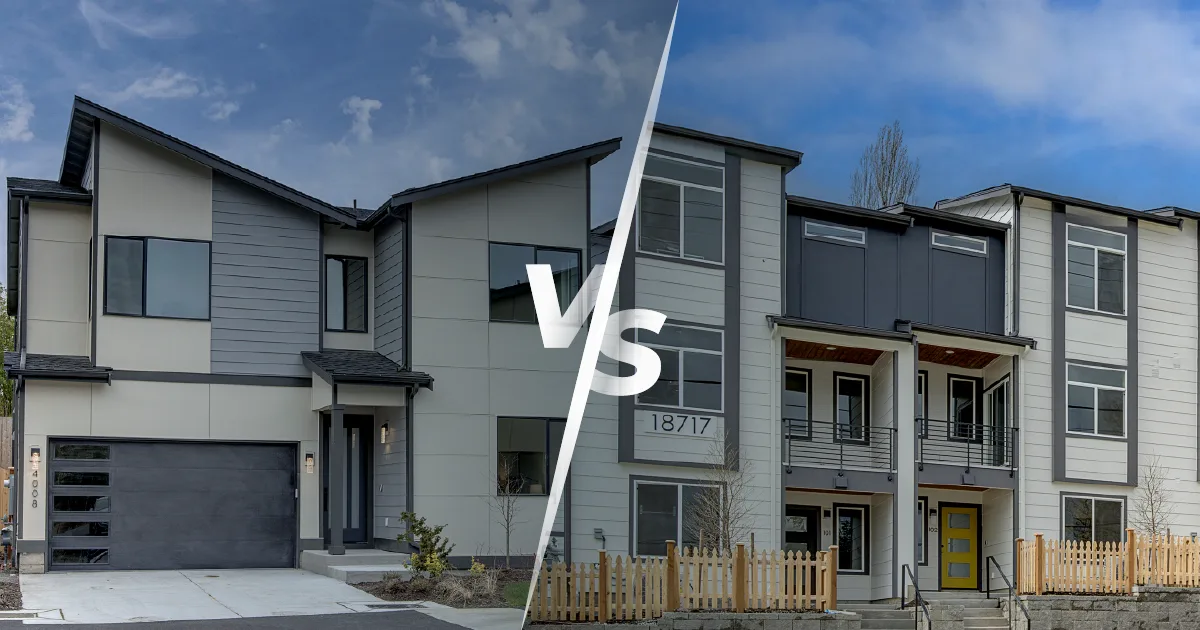
    But with the market changing, more people wanting to buy new single-family homes near me, and so many listings for single-family homes for sale, you might be wondering if now is a good time to buy a single-family home. And more importantly, does it really pay off? 

    Let’s break it all down. 

    So, What’s a Single-Family Home Anyway? 

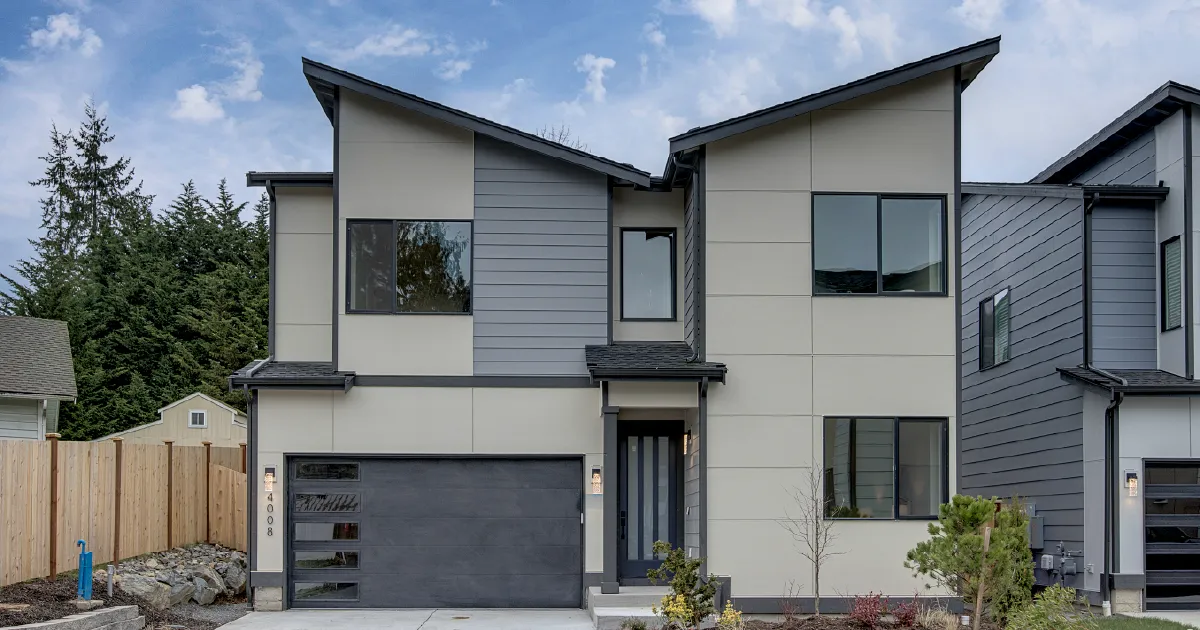
    A single-family home is a standalone house designed for one family (no shared walls, no upstairs neighbors stomping around at 2 AM). Think suburban houses with a driveway, a backyard, and a bit more breathing room. 

    This setup makes them especially attractive for renters who want privacy, space, and a place that feels like home—which is one reason single family home investing continues to grow in popularity. 

    Why Do People Like Investing in Single-Family Homes? 

    1. They’re simpler to purchase and oversee. 

    Single-family homes are typically simpler to finance and maintain than duplexes or apartment buildings. There is a lot less complexity because you are only managing one tenant and one unit. For new investors in particular, that is a huge plus. 

    2. Individuals Desire to Call Them Home 

    Renting a home is frequently preferred over renting an apartment by families, young professionals, and even retirees. They typically receive a yard or additional storage space, and it’s more tranquil. Demand like this results in fewer openings and higher long-term profits. 

    3. They Gain Appreciation Over Time 

    Location matters, of course—but single family homes in growing neighborhoods tend to go up in value over time. So, you’re not just earning rent—you’re also building equity as the home appreciates. 

    What About New Homes? Are They Worth the Extra Cost? 

    A lot of investors today are leaning toward investing in new construction homes. And honestly, it makes sense. New single family homes come with the latest features—think energy-efficient appliances, better insulation, and modern layouts that renters love. 

    They also mean fewer repairs for you as the owner, especially in the first few years. That peace of mind is worth a lot. If you’ve found yourself Googling “new construction single family homes near me,” you’re definitely not alone. It’s a smart move to look into newly built homes in up-and-coming areas. 

    What You Should Know Before You Buy 

    Even though single family home investing is generally considered less risky than other property types, it still requires careful planning. Here are a few things to keep in mind: 

    • One Tenant = One Income 
      If your tenant moves out, you’re covering the mortgage until someone new moves in. That’s a bigger risk compared to owning a multi-unit property where other renters can cover the gap. 
    • You’re in Charge of Maintenance 
      Landscaping, plumbing, roof leaks—you’ll need to stay on top of it. New homes help reduce this burden, but it’s something to factor into your budget. 
    • Location Is Everything 
      Even the most beautiful home won’t rent (or sell) well if it’s in a bad area. Research school districts, commute times, safety ratings, and local amenities before committing. 

    Is Buying a Single-Family Home for Investment Worth It? 

    For many people, the answer is yes—especially if you’re looking for a relatively low-risk entry into real estate. With the right property in a good neighborhood, buying a single family home for investment can generate steady rental income while the property gains value over time. 

    And if you’re eyeing new construction single family homes, the reduced maintenance and higher rent potential can make the slightly higher purchase price well worth it.

    Final Thoughts 

    There will always be a need for single-family homes for sale, particularly in expanding suburbs and cities. This kind of real estate offers flexibility, less management stress, and excellent long-term potential, whether you’re investing in a fixer-upper or a brand-new single-family home with all the bells and whistles. 

    Investing in single-family homes may be the ideal opportunity for you if you’re new to real estate or want to add something reliable to your portfolio. 

    ________________________________________ 

    Are you considering moving forward? Investigate neighborhoods, start looking through local listings, and do the math. Your first significant step towards financial independence may be purchasing the ideal single-family home

  • Are Townhomes a Good Investment? 

    Are Townhomes a Good Investment? 

    Real estate is increasingly considered to be a smart way to build wealth—and in today’s changing economy, it’s more relevant than ever. But when it comes to deciding what kind of property to invest in? That’s where a bit of guidance can go a long way. 

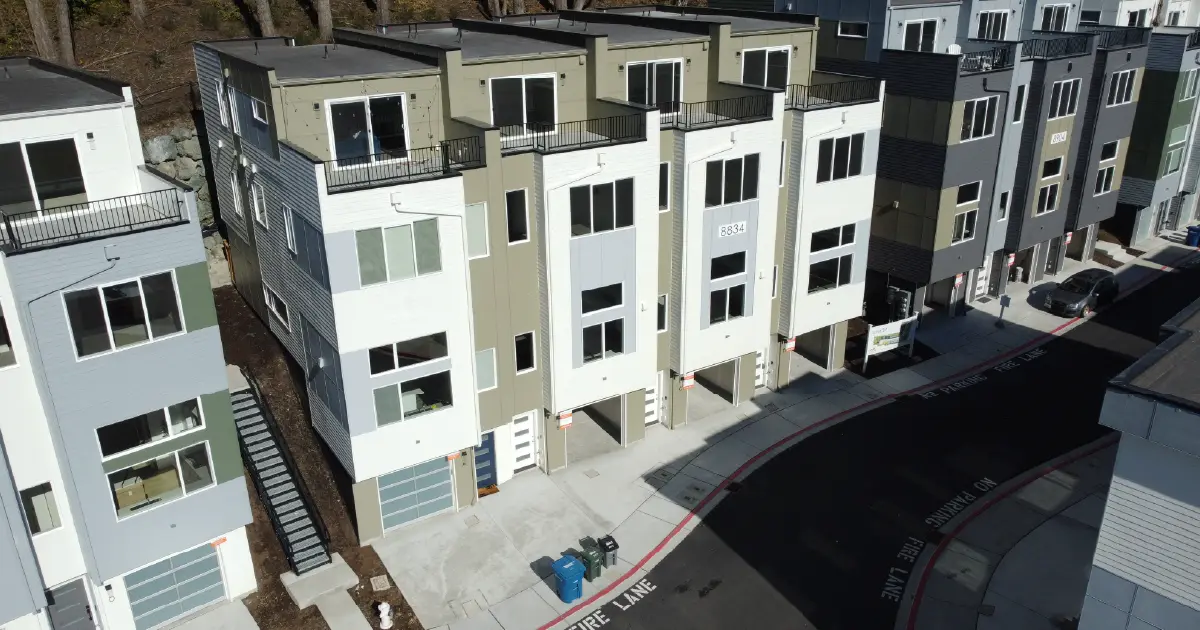
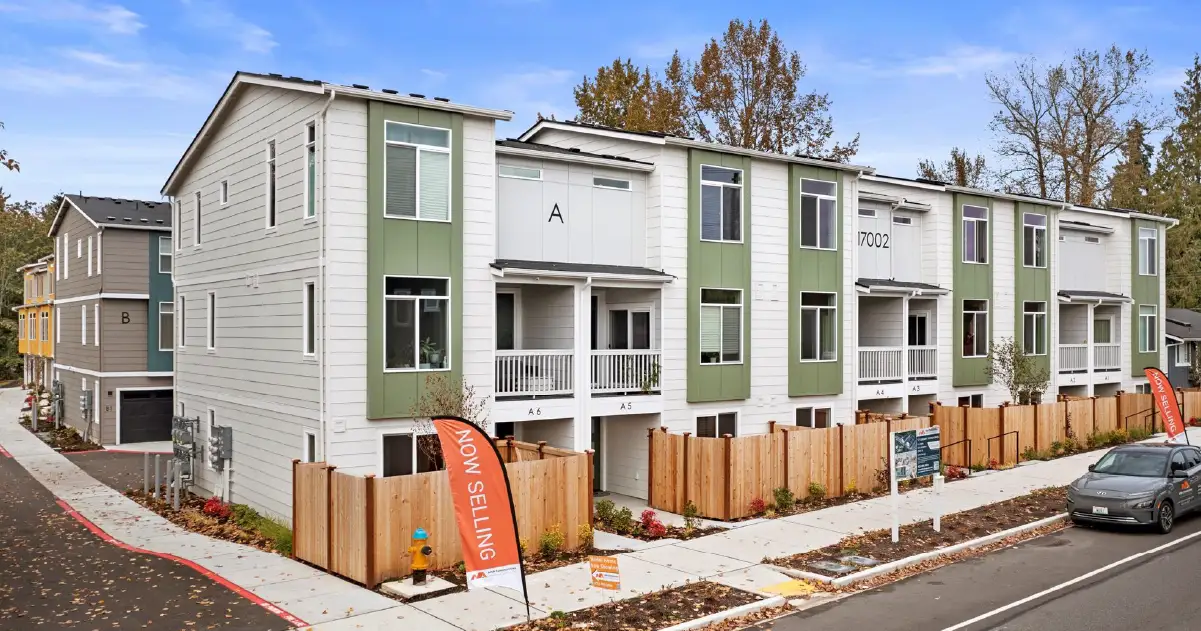
    With the fast-paced lifestyle and easy access to everyday conveniences, more and more savvy investors are prioritizing townhomes—and it’s easy to see why. They are maintaining a great balance between affordability, practicality, and lifestyle ease. In many ways, townhomes hit the sweet spot between single-family homes and condos. 

    The important question remains: why are townhomes a good investment? Let’s take a closer look. 

    Townhomes: The Modern Middle Ground of Smart Investing  

    In a housing market where home prices and interest rates continue to fluctuate- without a clear return to previous lows—townhomes are steadily emerging as a flexible, budget-friendly option. They offer a thoughtful blend of what many buyers appreciate in both condos and single-family homes, without requiring a compromise. 

    What exactly makes them such a popular option for today’s investors? 

    • Affordability Without Compromise: Compared to single-family homes in the same area, townhomes usually come with a lower price tag, which might result in smaller down payments, more manageable mortgages, and reduced property taxes, offering the benefit of space, style, or location. For first-time buyers, downsizers, or budget-conscious investors, it’s a smart way to enter or stay in the real estate market. 

    • Low-Maintenance Lifestyle: Our own home can come with a long to-do list. Townhomes simplify a little bit of that. HOA managed most of the exterior upkeep, landscaping, and shared amenities. It’s an ideal setup for those who want the benefits of ownership without the full maintenance load. 

    • Location, proximity, and Convenience: Townhomes are often built in prime spots—walkable neighborhoods, near transit hubs, and close to restaurants, parks, and schools. This might make them a great fit for young professionals, small families, or retirees looking to stay connected without moving too far out. 

    • Rental Appeal & Long-Term Value: Whether you’re planning to live in it or rent it out, a well-located townhome can deliver steady value. They tend to appreciate well in urban and suburban areas alike and are consistently in demand among renters who want more space than a condo but aren’t quite ready for a full-sized house.

    Townhome: Cons That Come With Perks 

    • Shared Walls: Yes, you may share one or two walls with neighbors, but modern construction does a great job of soundproofing.  

    • HOA Rules: While some may see HOA regulations as restrictive, they help maintain property values and keep your neighborhood looking great—which benefits everyone. 

    • Limited Outdoor Space: Townhomes may have smaller yards, but many come with charming patios or balconies. And less yard means less yard work! 

    • Parking Limitations: Some communities have limited guest parking, but this often encourages walkability and more thoughtful community design. 

    • Resale Market: While resale value depends on location, many buyers are actively seeking low-maintenance, move-in-ready homes—which is exactly what townhomes offer.

    FAQs When Buying a Townhome 

    Do townhomes appreciate?  

    Ans: Yes! Townhomes in desirable locations often appreciate just like single-family homes, especially when well-maintained and located in growing areas. 

    Are HOA fees worth it?  

    Ans: HOA fees can offer great value by covering things like exterior maintenance, landscaping, and access to shared amenities such as trails or green spaces. They help keep the community looking its best and reduce the time and effort homeowners need to spend on upkeep. For many, it’s a simple way to enjoy a well-maintained environment. 

    Can I rent out a townhome?  

    Ans: Most of the time, yes! Many townhomes make excellent rental properties due to their location and appeal to people who want space and convenience without the full cost of a house. But it’s important to check with the HOA first—some communities have rental caps or specific rules about leasing, so make sure you’re in the clear before moving forward. 

    Is a townhome good for first-time buyers?  

    Ans: Yes! For many new buyers, townhomes strike the right balance—offering the independence of homeownership without the overwhelming upkeep or high price tag of a detached home. 

    They’re a practical first step into the market, giving you room to grow, build equity, and enjoy a sense of community—all in one smart move.  

    What about resale?  

    Ans: With the right location and upkeep, townhomes hold their value well. In many fast-growing areas, they resell quickly and competitively. 

    Ready to explore a townhome that suits your lifestyle and your goals? Whether you’re buying your first place or investing in your fifth, MSR Communities is here to help you find the right fit. 

    Let’s build your future—together. 

    Why MSR Communities? 

    Your investment deserves a builder that values quality, design, and community. At MSR Communities, we’re not just building homes—we’re building places people want to live. Our townhomes for sale in Bothell and Kenmore reflect that vision, blending comfort with convenience in all the right ways.  

    These townhomes are designed with modern buyers in mind: open-concept floor plans, and curated finishes that feel like they belong to a design magazine.  

    And our single-family homes? Spacious, elegant, and thoughtfully planned for comfort, longevity, and connection. 

    We build in communities that offer more than just nice homes—we create neighborhoods. With parks, walking trails, and easy access to schools and shopping, we make sure your life outside the home is just as enjoyable as inside. 

    Let’s Get Real—The Market Doesn’t Wait 

    The housing market is moving, and it’s not slowing down. Whether you choose the low-maintenance appeal of a townhome or the classic charm of a single-family home, one thing is clear: 

    The time to invest is now. 

    Inventory is limited, demand is strong, and the value of owning real estate—especially a well-built home in a thriving community—has never been higher. Waiting could mean higher prices, fewer options, and missed opportunities. 

    Make your move while the market is still working in your favor. 

  • Fixed vs. Adjustable-Rate Mortgages: Which One is Right for You?

    Fixed vs. Adjustable-Rate Mortgages: Which One is Right for You?

    Have you started thinking about buying a home in Seattle? 

    Maybe you’ve been browsing, visiting open houses for new construction single-family homes with spacious layouts, or maybe that low-maintenance townhome near the city caught your eye. Once the excitement sets in, the list questions begin such as: 

    What floor plan works best for my lifestyle?  

    How much do I need for a down payment?  

    • And if it’s a townhome, what exactly are HOA fees and how do they factor in? 

    Many more…. List goes on 

    As you step ahead in the process, you’ll come across all kinds of important steps—like getting a home appraisal to confirm the property’s value, reading inspection reports, and adding entries to calculated closing costs. These are all essential parts of the process. But there’s one thread that ties everything together, it’s your mortgage which can truly make or break your buying experience.  

    As Mortgage can impact on your monthly payment, your long-term equity, and your overall financial comfort, choosing the right and best mortgage option is more than just comparing and analyzing interest rates. It’s about understanding how your loan is structured, how long you plan to stay in the home, what your future goals look like, and how market’s variable trends might affect you and your money management. 

    In this blog, we’re diving deep into mortgage management—breaking down the difference between Fixed-Rate Mortgages (FRMs) and Adjustable-Rate Mortgages (ARMs), how they work, and what’s happening in the Seattle market that could help you make the smartest decision possible. 

    So, if you’re ready to take a confident step toward homeownership, let’s get into the mortgage details every homebuyer needs to know. 

    Seattle’s Housing Market: An Overview

    Seattle’s housing market has exhibited notable fluctuations in recent years. According to the Washington State Economic and Revenue Forecast Council, home prices in the Seattle area increased by 5.6% from the previous year as of December 2024. This upward trend underscores the city’s robust demand for housing, influenced by factors such as population growth and economic vitality.  

    The U.S. Bureau of Labor Statistics reported that the Consumer Price Index (CPI) for the Seattle-Tacoma-Bellevue area rose by 2.5% over the 12 months ending in February 2025. This increase reflects broader economic conditions that can impact housing affordability and purchasing power.   

    Fixed-Rate vs. Adjustable-Rate Mortgages 

    When financing your home purchase, understand the distinctions between FRMs and ARMs: 

    Fixed-Rate Mortgage (FRM): As the name suggests, this mortgage type offers a constant interest rate and monthly payments that remain unchanged during the entire loan term, typically 15 or 30 years. The stability of FRMs helps to simplify budgeting and provides long-term predictability, making them a popular choice for buyers planning to stay in their homes for generations to come.  

    Adjustable-Rate Mortgage (ARM): ARMs feature an initial fixed-rate period (commonly 5, 7, or 10 years), after which the interest rate calculated periodically depending upon market conditions. This mortgage option often starts with a lower starting rate compared to FRMs, potentially leading to lower initial monthly payments. Once the fixed term period ends, your payment will transition to a variable structure, providing the potential to capitalize on favorable market shifts. If you anticipate relocating within a few years, ARM’s lower initial rates might be a better choice for you, especially when you sell the property before the adjustable period begins. 

    Deciding Mortgage Options in the Context of Seattle’s Market 

    When finalizing between an FRM and an ARM in Seattle’s current housing market dynamics check on the below list of the factors to be considered. 

    Duration of Homeownership: If you plan to stay in your new home long enough to watch your kids grow up, a Fixed-Rate Mortgage (FRM) could be the ideal choice. Its consistent payments option offers peace of mind and an opportunity to save from future interest rate increases.  

    Interest Rate Trends: Monitoring interest rate forecasts is crucial. While predicting future rates with certainty is challenging, understanding general trends can inform your decision. In a rising rate environment, locking in a fixed rate could be beneficial, whereas in a declining rate scenario, an ARM might offer initial savings.  

    Financial Stability and Risk Tolerance: Assess your financial situation and comfort with potential payment variability. FRMs provide stability, shielding you from interest rate fluctuations. ARMs, while initially more affordable, carry the risk of increased payments if rates rise after the fixed period. We need to strategically factor potential interest rate fluctuations within our long-term financial outlook, providing us with the ability to manage any future ARM payment increases effectively.  

    Affordability and Budget Considerations: Analyze your budget to determine how much you can afford in monthly payments. An ARM’s lower initial payments might allow you to afford a more expensive home or free up funds for other investments. However, ensure you can handle possible payment increases in the future.  

    Mortgage Choice for Type of the property 

    The type of property you’re finalizing can also influence your mortgage decision. While both single-family homes and townhomes offer their own unique benefits, the way you plan to live in and manage your home can help determine whether a Fixed-Rate or Adjustable-Rate Mortgage fits best. 

    Here’s how your choice of home might play a role: 

    Single-Family Homes:  

    If you’re drawn to the idea of more space, privacy, and a home that feels uniquely yours, a single-family home might be the perfect match. These homes tend to come with more flexibility for personal touches—and more responsibility, too. 

    More space & privacy – Ideal for growing families, home offices, or just extra breathing room. 

    Room to customize – From landscaping to remodeling, you usually have more freedom to make it your own. 

    Higher purchase price – These homes often cost more than townhomes, which may influence your loan choice. 

    Ongoing maintenance – You’ll manage things like yard care and repairs, so budgeting is important. 

    Flexible mortgage options – Whether you want the steady payments of a Fixed-Rate Mortgage or the initial savings of an ARM, either could work depending on your plans for staying long-term or moving later. 

    Townhomes: Townhomes offer a nice balance of independence and convenience, often in communities that handle exterior upkeep and shared spaces. If you prefer a low-maintenance lifestyle or are just getting started with homeownership, they’re definitely worth a look. 

    Lower maintenance – HOA fees usually cover exterior upkeep, landscaping, and common areas. 

    More affordable entry point – Typically less expensive than single-family homes, making them great for first-time buyers. 

    Community living – Many come with shared amenities like parks or walking trails. 

    HOA considerations – Monthly dues and rules can vary, so it’s important to factor them into your budget. 

    Mortgage flexibility – Depending on how long you plan to stay, either mortgage type could be a fit—especially if this is a starter home or part of a shorter-term plan. 

    Conclusion:  

    Seattle’s vibrant real estate market offers so many exciting opportunities for homeownership. Whether you’re getting ready to close on a beautifully designed single-family home or leaning toward the ease and charm of a modern townhome, choosing the right mortgage is a big part of the journey. By thinking through your long-term plans, financial comfort level, and understanding how Fixed-Rate and Adjustable-Rate Mortgages work, you can find the financing option that truly fits your lifestyle. 

    Remember, consulting with a mortgage professional can provide personalized insights tailored to your specific circumstances, ensuring you make an informed decision in this significant investment. 

    And if you’re still in the dreaming phase? Take a moment to explore the homes we’ve built across some of Seattle’s most loved neighborhoods like Bothell, Lynwood, Kenmore and many more. From open-concept floor plans to low-maintenance townhomes designed for modern living, our communities are built to support not just homeownership, but a better way of life. 

    Because finding the right mortgage is important—but loving where you live matters just as much. 

  • Do Townhomes Have HOA Fees? A Complete Guide 

    Do Townhomes Have HOA Fees? A Complete Guide 

    Holding a home comes with different references, especially when exploring various properties. Townhomes, which offer a mix of private homeownership and shared community living, often raise questions regarding Homeowners Association (HOA) fees. This guide will deliver insight into how these fees work and what they generally cover. 

    Are HOA Fees Required for Townhomes?

    In most cases, yes. Townhome communities generally have HOAs, though exceptions exist, particularly in older neighborhoods. However, the presence of an HOA is far more common, as it helps maintain shared spaces and upholds the community’s overall appearance.

    What Do HOA Fees Cover for a Townhouse? 

    HOA fees usually contribute to the following services: 
    • Landscaping of communal spaces 
    • Keeping shared facilities (such as pools, clubhouses, and playgrounds) 
    • Trash collection and snow disposal 
    • Periodically, exterior maintenance of buildings, though this depends on the detailed HOA agreement 

    Unlike condominiums, townhome HOA fees usually do not cover the interior or main exterior structure of an individual unit. Homeowners are generally responsible for those expenses. 

    Do All Townhomes Have an HOA?

    Although it is widespread, not every townhome has an HOA. Some older communities may not have a governing association. However, in most modern developments, an HOA is a standard feature. 

    Townhouse Pricing and HOA Fees

    Location, size, and amenities all affect the price of a townhouse. Similar variations in HOA fees depend on: 

    • Location: Increased cost of living areas can translate into higher raised HOA rates. 

    • Amenities: Usually, neighborhoods with complete facilities—such as pools and exercise centers—demand more money. 

    • Maintenance Needs: The general cost depends on the degree of services rendered by the HOA. 

    When looking at a townhouse, you have to consider HOA costs with the buying price. 

    Affordable Townhomes

    There are a few areas to consider when looking for affordable townhomes: 

    • Location: Suburbs tend to be more affordable than city centers. 

    • Age of the development: Older townhome communities may offer lower price points and HOA fees. 

    • Size and amenities: The smaller the townhome and the fewer amenities it has, the more affordable it tends to be. 

    If considering affordable townhomes, always request a full disclosure of HOA fees and their details. 

    Diving Deeper into HOA Documents:  

    • Examining HOA Documents: The rulebook of the HOA is its C&Rs, or covenant, condition, and restriction book. They outline your rights to use your property—that is, your rights to keep pets, make exterior modifications, and park. Before you purchase a townhouse, always be sure you review the CC&Rs. 

    • Bylaws: Usually covering how meetings are handled, how the board is chosen, and how decisions are made, these papers help to control the interior operations of the HOA.  

    • Financial statements : Ask for and go over the financial statements of the HOA. Whether the association has reserve money for future repairs and maintenance, that will indicate its financial situation. A good reserve fund lessens the possibility of exceptional assessments.  

    Special Assessments:  

    • These are additional fees levied on homeowners to cover unexpected or significant expenses that the regular HOA fees don’t cover.  

    • Examples include major roof repairs, unexpected landscaping projects, or legal fees.  

    • Understanding the HOA’s financial health can help you anticipate potential special assessments.  

    The Benefits of an HOA:  

    • But although HOA fees may seem like another item on your expense list, they come with numerous perks: 

    • Maintained Property Values: By ensuring that homes and properties are well-maintained, HOAs help maintain the community’s appearance, thus potentially preserving, if not increasing, property values. 

    • Community Amenities: HOA benefits may include access to local amenities such as pools, gyms and playgrounds. 

    • Dispute Resolution: HOAs can mediate disputes between neighbors. 

    • Convenience: HOA amenities such as landscaping and snow removal can give you more time. 

    Things to Consider Before Buying: 

    • What are the specific HOA fees and what do they include? 

    • How frequently have HOA fees increased historically? 

    • What is the HOA’s financial health, and are there adequate reserve funds?  

    • Are there any planned special assessments?  

    • What are the CC&Rs and bylaws, and may they restrict me?  

    • The state of parking?  

    • What are pet rules?  

    • How would one go about altering the house’s outside?

    Key Takeaways:  

    • Budgeting depends on knowing what HOA fees cover; townhouse ownership includes a regular cost.  

    • Examining “townhouses for sale near me” should always include a consideration of HOA expenses.  

    Knowing these features can help you decide whether or not a townhouse is the next dwelling you want. 

  • Newly Built Townhomes for Sale: Explore Your Options with MSR Communities 

    Newly Built Townhomes for Sale: Explore Your Options with MSR Communities 

    Are you in search of a modern, well-crafted home that combines comfort, convenience, and community living? Look no further than MSR Communities’ newly built townhomes for sale. With a strong reputation for quality and thoughtfully designed spaces, MSR Communities offers stunning new construction  townhomes in prime locations like Bothell and Kenmore, WA. 

    Whether you’re a first-time homebuyer, a growing family, or someone looking to downsize, townhomes provide the perfect blend of private homeownership and low-maintenance living. Let’s explore why these new homes for sale are a fantastic investment and take a closer look at some of MSR’s most sought-after communities. 

    Why Consider a Townhome? 

    Townhomes offer an ideal middle ground between condos and single-family homes, providing homeowners with a sense of privacy while still benefiting from shared amenities and professional maintenance services. Here are a few reasons why townhomes might be the perfect fit for you: 

    1. Low Maintenance Lifestyle 

    Unlike standalone houses, townhomes require minimal upkeep, as landscaping and exterior maintenance are often handled by the homeowners’ association (HOA). This allows you to enjoy the benefits of homeownership without the hassle of constant yard work or structural repairs. 

    2. Modern & Energy-Efficient Design 

    Newly built townhomes are designed with contemporary aesthetics, open-concept living spaces, and smart-home technology. They often come equipped with energy-efficient appliances, high-performance insulation, and sustainable materials, reducing utility costs and making them more environmentally friendly. 

    3. Prime Locations 

    Townhomes are usually built in well-connected neighborhoods with easy access to schools, shopping centers, dining spots, and recreational areas. MSR Communities specifically selects locations that offer both convenience and a vibrant community atmosphere. 

    4. Affordability Compared to Single-Family Homes 

    New construction townhomes typically come at a lower price point than single-family homes in the same area, making them an attractive option for first-time buyers. Plus, with brand-new construction, you won’t have to worry about costly renovations or unexpected repairs. 

    MSR Communities: A Name You Can Trust 

    MSR Communities has built a reputation for creating luxurious, high-quality townhomes that cater to a variety of lifestyles. Their developments prioritize thoughtful floor plans, premium finishes, and prime locations that allow homeowners to enjoy a seamless blend of comfort and sophistication. 

    Here’s a look at some of the best townhomes for sale from MSR Communities: 

    1. Lotus24 – Paired Homes That Live Like Single-Family Residences 

    Lotus24 offers an exclusive collection of 24 paired homes featuring: 

    • Expansive open-floor plans with ample natural light 
    • Chef’s kitchens with premium appliances 
    • Central air conditioning for year-round comfort 
    • Spa-like primary suites with luxurious finishes 

    With close proximity to top-rated schools, parks, and shopping centers, Lotus24 offers an exceptional lifestyle in one of Washington’s most desirable locations. 

    2. Shelton Grove – Boutique Community with High-End Features 

    Shelton Grove is a charming, intimate community of only eight paired homes and one single-family residence. Homeowners here enjoy: 

    • Sophisticated interiors with designer finishes 
    • Spacious floor plans ranging from 2,352 to 3,026 sq. ft. 
    • Serene, tree-lined surroundings that enhance privacy 

    These homes are perfect for those seeking a quiet, upscale neighborhood with easy access to city amenities. 

    3. The Shore16 – Luxury Living by the Water 

    For those who love scenic waterfront living, The Shore16 offers townhomes just steps from Lake Washington. This community is ideal for: 

    • Outdoor enthusiasts who enjoy biking, hiking, and kayaking 
    • Commuters looking for easy access to Seattle and Bellevue 
    • Wine and food lovers with nearby restaurants and wineries 

    With 1,775 sq. ft. of beautifully designed space, The Shore16 provides an urban retreat with nature at your doorstep. 

    4. Rêve59 – Artfully Crafted Modern Townhomes 

    Rêve59 is a community of 59 luxurious townhomes offering: 

    • Contemporary architecture with high-end finishes 
    • Floor plans ranging from 2,147 to 2,734 sq. ft. 
    • Innovative design elements for maximum comfort 

    These homes are designed for modern homeowners who appreciate sleek aesthetics and functional layouts. 

    Benefits of Buying a New Construction Townhome 

    If you’re considering purchasing a new home for sale, choosing a new construction townhome comes with several advantages: 

    • Brand New, Move-In Ready: No need to deal with outdated layouts or renovations. Your home is built with the latest standards in mind. 
    • Warranty Protection: Enjoy peace of mind knowing that structural and appliance warranties are included. 
    • Customization Options: Depending on the stage of construction, you may have the chance to choose finishes, fixtures, and even layouts. 
    • Lower Maintenance Costs: Modern construction techniques and high-quality materials mean fewer repairs and lower maintenance expenses. 

    How to Choose the Right Townhome for You 

    When searching for the perfect townhome, consider: 

    • Your Budget: Determine what fits within your financial plan, factoring in mortgage, HOA fees, and property taxes. 
    • Location Preferences: Prioritize proximity to work, schools, and lifestyle amenities. 
    • Community Features: Look into HOA benefits, shared amenities, and neighborhood ambiance. 

    Find Your Dream Home with MSR Communities 

    MSR Communities takes pride in building high-quality townhomes that cater to different lifestyles and budgets. Their newly built townhomes for sale offer modern living spaces, energy-efficient designs, and prime locations that make for a smart investment. 

    By choosing MSR Communities, you’re investing in quality, comfort, and long-term value. Whether you’re drawn to the lakeside tranquility of Kenmore or the vibrant atmosphere of Bothell, there’s a perfect townhome waiting for you. 

    Start your homeownership journey today with MSR Communities! Visit MSR Communities today to explore available properties and schedule a tour! 

  • What Percentage of Your Income Should Go Toward Your Mortgage? 

    What Percentage of Your Income Should Go Toward Your Mortgage? 

    Buying a home is a significant milestone, but it comes with the responsibility of a mortgage. Determining the right percentage of your income to allocate towards your mortgage is crucial for financial stability and long-term well-being. 

    General Guidelines: 

    • The 28/36 Rule: This is a widely used guideline.  
    • 28% Rule: Your total monthly housing costs (mortgage principal and interest, property taxes, and insurance) should ideally not exceed 28% of your gross monthly income. 
    • 36% Rule: Your total debt-to-income ratio (DTI) should not exceed 36%. This includes housing costs plus other monthly debt payments (like car loans, student loans, and credit card minimums). 

    Factors Influencing the Ideal Mortgage Proportion: 

    • Interest Rates: Higher interest rates increase your monthly payments, potentially impacting the affordable percentage. 
    • Down Payment: A larger down payment generally results in lower monthly payments and a smaller loan amount. 
    • Loan Term: Shorter loan terms (like 15 years) have higher monthly payments but lower overall interest costs. 
    • Credit Score: A higher credit score often qualifies you for lower interest rates. 
    • Living Expenses: Consider your other living expenses (groceries, transportation, utilities) when determining your affordable mortgage payment. 
    • Financial Goals: Factor in other financial goals like retirement savings, college funds, and travel plans. 
    • Emergency Fund: Ensure you have an adequate emergency fund to cover unexpected expenses before significantly increasing your debt burden. 

    Tips for Keeping Your Mortgage Proportion Manageable: 

    • Improve Your Credit Score: A higher credit score can lead to lower interest rates and potentially lower monthly payments. 
    • Increase Your Income: Explore opportunities to increase your income through raises, promotions, or side hustles. 
    • Reduce Other Expenses: Identify areas where you can cut back on unnecessary spending to free up more income for your mortgage. 
    • Consider a Shorter Loan Term: While higher monthly payments, a shorter loan term can save you significant money on interest over the life of the loan. 
    • Refinance Your Mortgage: If interest rates have fallen, refinancing your mortgage could lower your monthly payments. 

    Beyond the 28/36 Rule: A Deeper Dive into Mortgage Affordability 

    While the 28/36 rule provides a general framework, it’s essential to consider your unique financial situation. Here are some additional factors to ponder: 

    Your Personal Financial Comfort Level: 

    • Emergency Fund: Aim for an emergency fund covering 3-6 months of living expenses before significantly increasing your debt burden. This safety net provides a cushion against unexpected events like job loss or major repairs. 
    • Long-Term Goals: Consider your future financial aspirations. Do you plan to save for retirement, children’s education, or travel? A higher mortgage payment may limit your ability to achieve these goals. 
    • Lifestyle Preferences: Evaluate your spending habits and desired lifestyle. Can you comfortably afford a mortgage payment within the recommended range while still enjoying your preferred activities and experiences? 

    The Impact of Rising Interest Rates: 

    • Adjustable-Rate Mortgages (ARMs): If you opt for an ARM, be prepared for potential interest rate increases over time. This can significantly impact your monthly payments. 
    • Fixed-Rate Mortgages: While offering stability, fixed-rate mortgages may have higher initial interest rates compared to ARMs. 

    The Importance of Pre-Approval: 

    • Understanding Your Borrowing Power: Getting pre-approved for a mortgage gives you a realistic understanding of your borrowing capacity. This allows you to shop for a home within your budget and negotiate more effectively. 
    • Streamlining the Application Process: Pre-approval can expedite the mortgage application process, saving you time and potential stress. 

    Beyond the Numbers: Consider Your Overall Well-Being: 

    • Stress Levels: A high mortgage payment can contribute to financial stress, impacting your overall well-being. 
    • Quality of Life: Ensure your mortgage choice doesn’t compromise your quality of life. Prioritize experiences and financial security alongside homeownership. 
    • Remember: Homeownership is a significant financial commitment. Thoroughly assess your financial situation, consider your long-term goals, and prioritize your overall well-being when determining the ideal mortgage proportion for you. Consult with a qualified financial advisor for personalized guidance based on your individual circumstances. 

    By carefully considering these factors and following these tips, you can determine a comfortable and sustainable mortgage proportion for your financial situation and achieve your homeownership goals. 

  • How Well Do Townhomes Appreciate? 

    How Well Do Townhomes Appreciate? 

    Townhomes have become increasingly popular as an attractive option for both homeowners and real estate investors. Their unique blend of single-family home features and condominium-style living has made them a sought-after property type. But how well do townhomes appreciate over time? Let’s delve into the factors that influence their value growth. 

    Understanding Townhome Appreciation

    Appreciation rates for townhomes can vary significantly depending on several factors, including: 

    Market demand: Strong demand for townhomes in a particular area can drive up prices and lead to higher appreciation rates. Factors like job growth, population increase, and lifestyle preferences can influence market demand. 

    Location: The location of the townhome plays a crucial role in its appreciation potential. Proximity to amenities, schools, transportation, and employment centers can significantly impact its value. 

    Property condition: Well-maintained townhomes with modern amenities and upgrades tend to appreciate faster than those in need of repairs or renovations. HOA fees and amenities: Reasonable HOA fees and desirable community amenities can enhance the value of a townhome. 

    Economic factors: Economic conditions, such as interest rates, inflation, and overall economic growth, can influence property values, including townhomes. 

    Factors Influencing Townhome Value Growth 

    Market Demand: In areas with high demand for housing, especially in urban or suburban areas, townhomes often see significant appreciation. This is due to their relatively lower cost compared to single-family homes and their appeal to first-time homebuyers, young professionals, and downsizers. 

    Location, Location, Location: The old real estate adage holds true for townhomes as well. A well-located townhome, close to desirable amenities, good schools, and convenient transportation options, will generally appreciate faster. 

    Property Condition: A well-maintained townhome with modern features and upgrades will command a higher price. Regular maintenance, timely repairs, and energy-efficient upgrades can significantly boost a townhome’s value. 

    HOA Fees and Amenities: Reasonable HOA fees and well-maintained community amenities, such as swimming pools, fitness centers, and playgrounds, can add value to a townhome. 

    Economic Factors: Economic factors like interest rates, inflation, and overall economic growth can impact property values. In a strong economy with low-interest rates, townhomes can appreciate at a faster pace. 

    Townhomes as an Investment Strategy 

    Townhomes can be a solid investment option for several reasons: 
  • Lower Entry Cost: Compared to single-family homes, townhomes often require a lower down payment and have lower closing costs. 

  • Lower Maintenance Costs: Townhomes typically have lower maintenance costs as the HOA is responsible for maintaining common areas like landscaping and exterior repairs. 

  • Potential for Rental Income: Townhomes can be rented out, providing a steady stream of rental income. Appreciation Potential: With careful selection and long-term holding, townhomes can appreciate in value over time. 

  • Maximizing Your Townhome Investment 

    To maximize your townhome investment, consider these additional tips: 
  • Strategic Location: Urban Areas: Townhomes in urban areas often benefit from high demand and appreciation potential, especially near job centers, public transportation, and entertainment districts. 

  • Suburban Areas: Suburban townhomes can offer a balance of affordability and convenience. Look for locations with good school districts and easy access to major highways. 

  • Community Amenities: HOA Fees: While HOA fees are necessary, ensure they are reasonable and cover essential services. Amenities: High-quality amenities like swimming pools, fitness centers, and clubhouses can enhance the value of your townhome. Interior Upgrades: 

  • Modernization: Keep your townhome updated with modern finishes, appliances, and technology. Customization: Personalize your space with tasteful upgrades that appeal to a wider range of buyers. 

  • Exterior Maintenance: Curb Appeal: A well-maintained exterior, including landscaping and a clean facade, can significantly impact your townhome’s value. 

  • Roof and Foundation: Regular inspections and timely repairs are crucial for long-term value. 

  • Market Trends: Stay Informed: Keep track of local real estate market trends, including interest rates, economic indicators, and housing demand. Consult with Experts: Seek advice from real estate agents and financial advisors to make informed decisions. 

  • Conclusion While townhomes can be a sound investment, it’s essential to conduct thorough research and consider the factors that influence their appreciation potential. By carefully evaluating market demand, location, property condition, HOA fees, and economic factors, you can make informed decisions about investing in townhomes. MSR communities Townhomes If you’re considering a townhome investment, MSR Communities offers a range of thoughtfully designed options. Our townhomes feature modern amenities, spacious layouts, and a prime location within a desirable neighborhood. With a focus on creating a welcoming and vibrant community, MSR Communities provides an ideal living environment for those seeking the comfort and convenience of townhome living.  

  • A Guide for Spring Color Trends for 2025 

    A Guide for Spring Color Trends for 2025 

    Spring whispers the promise of new beginnings, a time for casting off the winter blues and embracing the fresh energy of the season. But how can you bring that feeling of renewal indoors? The answer lies in the transformative power of color. The colors you choose for your home environment have a profound impact on the way you feel and experience your space. A well-chosen color palette can create a sense of calm and relaxation, invigorate your mood, or even boost your creativity. 
     
    For example, soft pastels like baby pink, lavender, and mint green evoke feelings of tranquility, perfect for creating a relaxing sanctuary in your bedroom or bathroom. On the other hand, bright and bold colors like sunshine yellow, fuchsia, and electric blue energize and stimulate, ideal for a workspace or a room where you want to feel invigorated. 

    This year, two distinct color trends are blossoming, offering a range of options to suit your style, whether you crave a calming retreat or a vibrant burst of energy. So, let’s delve into the top spring color trends for 2025 and explore how you can use them to transform your home into a sanctuary that reflects the joy and renewal of the season. 

    1. Soft Pastels: A Breath of Fresh Air 


    Imagine a gentle breeze carrying the delicate scent of blossoming flowers through open windows. This is the feeling soft pastels evoke. These calming colors, like baby pink, lavender, mint green, and a touch of sky blue, are reminiscent of spring’s first blooms. They create a serene atmosphere in any room, perfect for fostering relaxation and unwinding after a long day. Here are some specific trendy shades to consider:  
    Pale Pink: This delicate shade evokes feelings of peace and romance. 
    Lavender: A calming and soothing hue, perfect for promoting relaxation. 
    Mint Green: Fresh and airy, mint green brings a hint of nature indoors. 
    Glacial Blue: This soft, icy blue adds a touch of serenity and sophistication. 

    Now, let’s explore how you can incorporate them into your home: 

    Bringing the Tranquility of Spring Indoors: 

    • Living Room: Paint your walls in a soft pastel shade like pale lavender or calming mint green. Add pops of color with throw pillows in contrasting pastel hues, or incorporate artwork that features vibrant spring florals. Opt for light furniture in white or natural wood tones to further enhance the airy feel. 
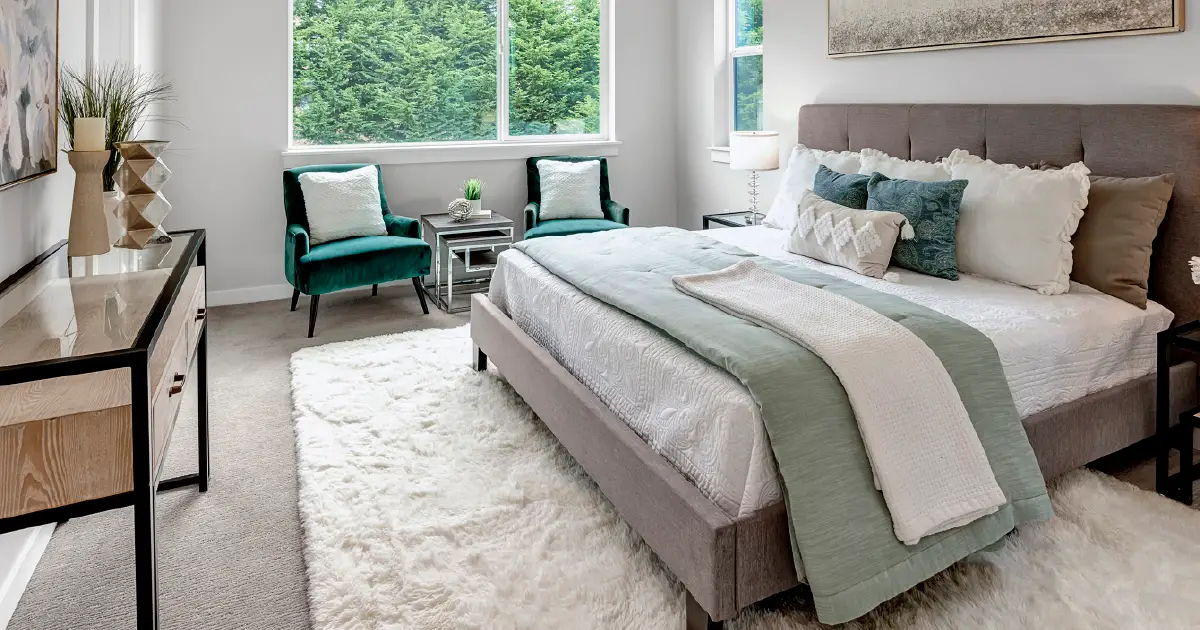
    • Bedroom: Create a tranquil retreat that lulls you to sleep each night. Soft pastel walls in a calming sky blue or a delicate baby pink set the perfect stage for light, airy bedding in white or cream. Layer in sheer curtains that flutter gently in the breeze, adding a touch of romance and enhancing the feeling of serenity. 
    • Bathroom: Soft pastels are a natural choice for creating a spa-like feel for ultimate relaxation. Use them on walls or towels in calming shades like lavender or sage green. Pair these soft hues with chrome or nickel fixtures for a touch of elegance, creating a space that feels both sophisticated and serene. 

    2. Embrace the Energy of Bright and Bold Colors 

    Spring is not just about peaceful renewal; it’s also a burst of vibrant energy. If you’re looking for a color palette that reflects this invigorating energy, a bright and bold palette is perfect for you. This trend celebrates the season’s liveliness with colors that are anything but shy, like sunshine yellow, fuchsia, or electric blue. These bold hues are ideal for adding a touch of personality and a burst of cheer to any space.  

    Here are some trending, bright and bold colors to consider: 
    Apricot Crush: This playful and energetic shade adds a touch of sunshine to any space. 
    Orangeade: Similar to apricot crush, but with a touch more zing, orangeade is a cheerful and optimistic color. 
    Butter Yellow: Light and cheerful, butter yellow evokes feelings of warmth and happiness. 
    Fuchsia: This vibrant pink adds a burst of energy and personality to any room. 
    Stark White: While not necessarily bold, stark white provides a clean and bright foundation for a space decorated with pops of bolder colors. 

    Now, let’s delve into how you can use them to refresh your home: 
     
    Making Bold Statements: 

    • Dining Room: Liven up mealtimes and create a space that sparks conversation with a bold accent wall in a bright color like sunshine yellow or a playful fuchsia. Balance the vibrancy with white furniture and natural textures like woven placemats and jute rugs for a cohesive look. 
    • Home Office: Spark creativity and boost productivity with a bold feature wall in a color that inspires you, perhaps a stimulating shade of electric blue or a citrusy yellow. Don’t be afraid to add pops of color in your office accessories, like a bright lamp or a colorful file organizer. A stimulating and inspiring workspace can significantly impact your focus and motivation throughout the day. 
    • Entryway: Make a grand first impression with a brightly colored door that sets the tone for the rest of your home. A vibrant coral or a cheerful turquoise can add a touch of personality and instantly brighten your guests’ day. Alternatively, consider a statement rug in a bold geometric pattern to create a welcoming and visually interesting entryway. 

    The Takeaway: Unleash Your Inner Designer 
     
    These are just starting points to inspire your creativity. Don’t be afraid to mix and match colors from both palettes or add neutrals like white, gray, or beige for a more balanced look. Consider the natural light in your space as well. Soft pastels work well in rooms with less light, while brighter colors can be used to balance out an abundance of natural light. 
     
    So this spring, embrace these spring color trends for 2025 and transform your home into a vibrant and stylish haven that reflects your unique personality. Let your home be a reflection of the joy and renewal that spring brings. 

    Are you on the hunt for your own home where you can let your inner design blossom? Explore MSR Communities’ new construction homes for sale and new construction townhomes for sale and select your perfect canvas to decorate with this fresh spring color palette.