Tag: Best home layout

  • Space-Saving Solutions for Your Organized Bedroom

    Space-Saving Solutions for Your Organized Bedroom

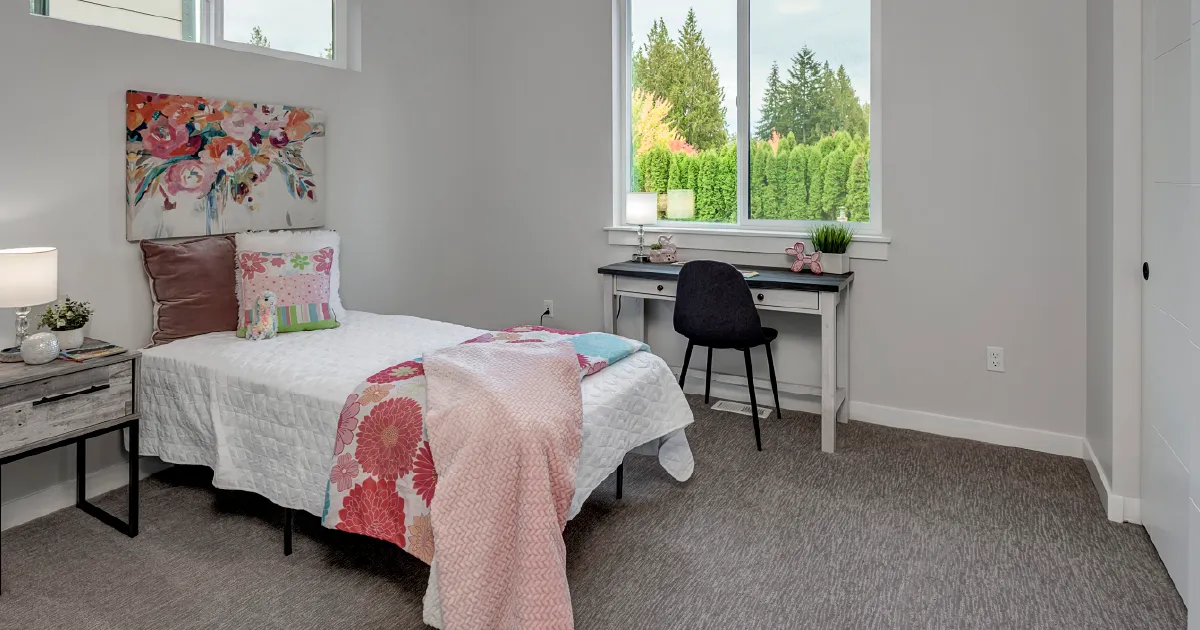
    When you’re touring newly built townhomes or single-family homes, it’s easy to focus on the primary suite—that big, beautiful retreat where you start and end your day. But here’s the truth: with a little creativity and smart design, any bedroom in your home can feel just as comfortable, functional, and stylish as the “official” primary bedroom.

    That means secondary bedrooms, guest rooms, or even an entry-level bedroom can feel like the best room in the house. It’s not about size—it’s about how you use the space.

    If you’ve ever wished you could maximize space in a small bedroom, or you’re looking for bedroom décor ideas for small spaces, you’re in the right place. These ideas aren’t just for small homes; they’re for anyone who wants to make every square foot count.

    Let’s explore small bedroom ideas that help you transform your space into a true home sweet home.

    Step 1: The Power of an Organized Bedroom

    Before you start adding furniture or hunting for décor, take a step back and declutter. Even in the most spacious rooms, excess items can make the area feel cramped. The effect is even more pronounced in small spaces

    Practical Tip:
    • Dedicate a weekend to going through clothing, décor, and other belongings. Donate or sell what you no longer use.
    • Develop a habit of “one-in, one-out,” meaning an old item is removed when a new one is added.
    • To keep everything organized, use drawer dividers, bins, and storage baskets.
    Why is it effective?
    • Children free up more space to play by keeping school supplies and toys contained.
    • Teens are able to arrange their hobbies, electronics, and books without making their desk or bed look cluttered.
    • Adults prefer a quiet, hotel-like setting free of paperwork and laundry mounds.
    • Clear, obstacle-free pathways make the space safer and easier to use for elderly parents.

    You’ll notice that well-organized bedrooms feel instantly larger when you tour a model home from MSR Communities. It’s just a matter of smart planning, not magic.

    Step 2: Accept Vertical Space

    The walls become your best ally when floor space is at a premium

    • Climb Up with Shelves: Wall-mounted shelves or tall, robust shelving units provide storage without taking up additional space in the room. Use them for daily necessities, books, or ornamental storage boxes.
    • Shelving Open to Create an Airy Appeal: Ideal for showcasing well-folded throws, plants, or family photos. As a result, the room feels open rather than enclosed.
    • Closed cabinets for hidden storage are ideal for items that add visual clutter, such as seasonal bedding, extra pillows, or holiday décor. When painted the same color as the walls, they visually “disappear” and create the illusion that the room is larger.
    • Generational Twist: Teens may have shelves in their rooms that display awards and artwork. In their room, grandparents can readily access framed photos, mementos, and reading materials.

    Step 3: Multipurpose Furnishings for Multigenerational Homes

    Space-efficient small bedroom furniture can be used for two or even three purposes, especially in homes with a variety of needs from different generations.

    • Storage beds: Clothes, linens, and shoes are kept hidden in drawers beneath the bed
    • Ottomans with Storage:Excellent for guest bedding, teen blankets, or children’s toys
    • Murphy beds: These can be folded up during the day to free up important space for play, work, or exercise.

    In everyday life, these smart storage solutions shine. A teenager’s bedroom can double as the neighborhood gathering spot, with extra floor space freed up for beanbags or gaming chairs. That comfortable spare room can be quickly transformed into a productive home office when visitors aren’t staying, keeping work and relaxation apart. Additionally, everything an aging parent needs is close at hand when they live on the entry level, guaranteeing comfort and accessibility without sacrificing useful storage space.

    These multipurpose solutions look great in a home in MSR Communities because the layouts are made to adapt to new family members, hobbies, and life stages.

    Step 4: The Enchantment of Murphy and Loft Beds

    Although they’re ideal for setting up a space for study or play underneath, loft beds aren’t just for kids. A loft bed can make room for a desk, chairs, or additional storage in a tiny guest room.

    Murphy beds, meanwhile, are lifesavers in a multi-use room. Imagine an upstairs secondary bedroom that serves as your home office by day and a fully functional guest room by night. Guests enjoy a real bed, not a fold-out sofa, and you still keep your workspace neat and professional.

    Step 5: Entry-Level Bedrooms —Accessibility Meets Style

    If your home includes an entry-level bedroom, you have the perfect setup for multi-generational living. For elderly parents, the convenience of avoiding stairs is invaluable. With smart design choices, this room can feel every bit as special as the upstairs primary suite:

    • Lower, easy-access shelving to avoid step stools
    • Motion-sensor lighting for safety at night
    • Compact seating for reading or relaxing

    The same room can serve as a guest space when relatives visit, and with a Murphy bed, it can even double as a hobby room or secondary home office. This kind of thoughtful space planning means every generation can enjoy their private, comfortable retreat.

    Step 6: Equal Comfort for Every Generation

    The fact that a well-considered bedroom design creates an even playing field is among its best features. Even though the space is smaller, kids and teenagers can still enjoy rooms that feel as spacious and fashionable as their parents’ suite.

    • For children: Loft beds combine storage, homework, and play space into one space.
    • Teens: Small desks that have charging ports help keep electronics neat without taking up too much space in the bed.
    • For adults: Even tiny spaces can feel opulent with soft lighting, well-coordinated bedding, and clutter-free surfaces.
    • For aging parents: Warm lighting, supportive seating, and adjustable beds provide comfort without sacrificing design.

    Every room in a well-designed home feels spacious, ensuring that no one feels disadvantaged by the size of their bedroom.

    Step 7: The Home Office Twist

    Working from home? A small bedroom can be an ideal office if you plan it right.

    • Use a wall desk that can be folded down to save room when not in use.
    • To convey that video calls are professional, keep the décor straightforward and polished.
    • Add under-bed or vertical office supply storage.
    • Bonus: The office immediately transforms back into a cozy sleeping area when visitors stay overnight.

    Secondary bedrooms are often tucked away from the main living areas, making them ideal for a distraction-free, peaceful workstation.

    Step 8: Typical Errors to Steer Clear of Overcrowding

    A bedroom that has too much furniture feels claustrophobic.

    • Ignoring lighting: Uneven, dim lighting can make a room appear smaller.
    • Ignoring the wall color—dark, heavy colors can make a small area seem smaller.

    If your home is well-designed, you have an advantage in this area; you’re less likely to make these mistakes in the first place thanks to flexible floor plans, clever electrical layouts, and natural light.

    Step 9: Low-Cost Upgrade Options 

    • For a feature wall without the permanence, use peel-and-stick wallpaper.
    • Invest in modular shelving that can be adjusted to meet your changing needs.
    • Find high-quality, reasonably priced furniture by shopping secondhand.

    And if you purchase a home in pre-sale with MSR Communities, you may even have the option to choose your cabinet colors — giving you the chance to personalize your space from the start. Early buying means more opportunities for customization before you move in.

    Step 10: How This Fits with Your New Home Purchase

    The beauty of MSR Communities’ newly built townhomes and single-family homes is that they’re designed with flexibility in mind. Whether you’re setting up a welcoming entry-level bedroom for an elderly parent, turning a secondary bedroom into your dream office, or making sure your kids’ rooms feel just as special as yours, you have the perfect canvas to work with.

    With the right arrangement, every room can feel spacious—no matter its size on paper.

    Final Thought:

    Imagine living in a house where all of the bedrooms, from your calm primary suite to a well-designed guest room, feel equally cozy, practical, and welcoming. With MSR Communities’ newly built townhomes and single-family homes, you can enjoy smart layouts designed for every generation.

    Whether you’re creating a private retreat for an elderly parent on the entry level, setting up a home office that doubles as a guest room, or giving your kids a bedroom that rivals your own in comfort, these homes make it possible to maximize comfort and space in every corner.

    Your next home could be the one where everyone—from kids to grandparents—feels like they have the best room in the house. Explore our homes for sale today—where every family member gets a space that feels just right.


  • 10 Must-Haves to Look for in Your New Home: A Buyer’s Guide 

    10 Must-Haves to Look for in Your New Home: A Buyer’s Guide 

    Searching for a new home can easily feel like a full-time job. One day you’re scrolling through listings late at night, and the next, you’re walking through open houses, trying to picture what everyday life might look like there. Maybe it’s the sleek new kitchen that catches your eye or the well-manicured front yard that makes you pause. But beyond that, the real question remains: Is this the right home for you—not just today, but for the years ahead? 

    Whether you’re buying your first new construction home or making a move after years of living in your current home, it’s important to look past the surface and focus on the features that truly matter—now and down the line. This guide breaks down the top things you need to know for finding a new house to help you stay grounded, make confident choices, and choose a home that not only fits your lifestyle but also makes smart financial sense. 

    1. A Location That Fits Your Life 

    You’ve probably heard it a thousand times: location is everything. And it’s true. The right neighborhood can improve your daily routine, impact your home’s resale value, and even shape your long-term happiness. 

    When evaluating a location, consider: 

    • Commute times to work or school 

    • School district ratings 

    • Proximity to shopping, healthcare, dining, and recreation 

    • Walkability and public transit access 

    • Safety and neighborhood vibe 

    Even if the house checks every box, a poor location can be a deal breaker. Think about what matters most to you and prioritize that in your search.  

    2. A Floor Plan That Flows 

    Square footage is important, but how the space is used is even more critical. A 2,000-square-foot home with a clunky layout can feel more cramped than a well-designed 1,500-square-foot home. 

    Look for a floor plan that aligns with your lifestyle: 

    • Do you need dedicated office space for remote work? 

    • Is an open concept layout ideal for entertaining? 

    • Do you prefer bedrooms grouped together or separated for more privacy? 

    • Is there a bonus room for daily convenience? 

    A smart layout makes everyday living easier and more enjoyable, and it also helps your new home age well with your needs. 

    3. Plenty of Storage Space 

    You might not realize how much you’ve accumulated until you start packing. That’s why adequate storage is high on the must-have list. 

    Keep an eye out for: 

    • Pantry space in the kitchen 

    • Walk-in closets in the bedrooms 

    • Garage storage or attic space 

    • A dedicated vanity space for getting ready with ease 

    Don’t overlook storage just because a home looks tidy when staged—it’s easy to hide clutter for a showing. You’ll thank yourself later for thinking ahead. 

    4. A Functional, Modern Kitchen 

    The kitchen is more than a place to cook—it’s the heart of the home. Whether you’re hosting friends or just making coffee in the morning, a kitchen that’s both functional and up-to-date makes all the difference. 

    Key things to look for: 

    • Plenty of counter space and storage 

    • Quality appliances  

    • Natural lighting and layout 

    • Space for seating or a breakfast nook 

    The kitchen should complement your lifestyle and be move-in ready—without needing a major renovation unless that’s something you’re planning for. 

    5. Strong Structural Integrity 

    The excitement of buying a new home can make it easy to overlook what’s behind the walls. But don’t skip due diligence on the structural components of the property. 

    Always hire a qualified home inspector for home inspection: 

    • The roof (age, condition, material) 

    • The foundation (any cracks or movement) 

    • The plumbing and electrical systems 

    • Any signs of water damage or mold 

    While cosmetic issues are fixable, major structural problems can be expensive and time-consuming. Make sure your new construction home is built to last. 

    6. Smart Paperwork & Financial Prep 

    Make sure your finances are in order. Here’s what you’ll want to have locked in: 

    Get pre-approved (not just pre-qualified). Sellers take your offer way more seriously when you’ve got real numbers in hand. 

    Know your full cost picture—including your down payment, closing costs, property taxes, insurance, and any HOA fees that come with the home. 

    Keep your documents ready—W-2s, pay stubs, bank statements, ID, and tax returns. Your lender will likely ask for more than you expect, so get ahead of it. 

    Understand your credit score and the types of loans that fit your situation (conventional, FHA, VA—each comes with its own benefits). 

    Avoid major financial moves during the process—like switching jobs, financing a car, or opening new credit lines. Lenders don’t like surprises. 

    No, this isn’t the glamorous part of buying a home—but it’s where deals are made (or lost). When your finances are buttoned up, you’ll move faster, negotiate better, and feel more confident when the newly built home hit the market.  

    7. Comfortable Outdoor Living Space 

    Outdoor space isn’t just a luxury—it can be a real quality-of-life booster. Whether you’re grilling on the weekend, gardening, or simply sipping coffee outside, a usable yard or patio adds to your home’s enjoyment. 

    Consider your lifestyle: 

    • Do you want to convert backyards into kids play areas

    • Are you hoping to build a deck or install a pool down the road? 

    • Would you prefer low-maintenance landscaping? 

    Even a small patio or balcony can be a valuable feature if it suits your needs. And in many markets, outdoor space adds serious resale appeal. 

    8. Plenty of Natural Light 

    A home filled with natural light just feels better. It can boost your mood, make your home feel more spacious, and even reduce the need for artificial lighting during the day. 

    During showings, pay attention to: 

    • The direction the house faces 

    • The size and placement of windows 

    • Potential obstructions like trees or neighboring buildings 

    A bright home isn’t just about looks—it’s about atmosphere, livability, and long-term happiness. 

    9. Reliable Internet and Cell Signal 

    It might sound minor, but it’s 2025—and solid internet connectivity and mobile reception are no longer optional. 

    Make sure to: 

    • Test cell signal throughout the house 

    • Ask the seller about available internet service providers 

    • Check upload/download speeds if you work from home or stream regularly 

    Homes in rural or even suburban areas sometimes lack reliable high-speed options, so double-check before signing anything. 

    10. Strong Resale Potential 

    Even if you plan to stay in your new home for the long haul, life can be unpredictable. You’ll want to make sure that if you decide to sell in five or ten years, your home is still appealing to the market. 

    Features that help with resale: 

    • A neutral layout that fits most buyers 

    • A two-car garage 

    • Updated kitchen and baths 

    • Located in a desirable school district 

    • No major deferred maintenance issues 

    Think of it this way: a home that’s a smart investment now will also serve you well later. 

    Wrapping It All Up 

    Finding the perfect home isn’t just about granite countertops or trendy backsplashes—it’s about choosing a space that supports your lifestyle, keeps you comfortable, and makes financial sense in the long term. 

    By focusing on these first-time home buyer guide, you can cut through the noise and make more informed, confident choices during your home search. Your new home should be more than just a place to live—it should be a place that truly works for you. 

    Ready to Start House Hunting? 

    Take this best home buying guide with you on showings, and don’t be afraid to ask questions, take notes, or sleep on a decision. Buying a home is a big move—but with the right mindset and priorities, you’ll find a space that feels just right. 

    Explore New Homes built by MSR Communities 

    If you’re actively searching for new houses for sale in the Seattle area, there are fantastic options to explore in Kenmore, Lynnwood, and Bothell—all known for their excellent schools, commuter-friendly access, and vibrant communities. 

    Whether you’re looking for single-family homes for sale with room to grow or prefer the low-maintenance lifestyle of newly built townhomes for sale, these neighborhoods offer a mix of charm, convenience, and long-term value. 

    Perfect for both first-time buyers and those moving up or downsizing, this part of the home built by MSR Communities is full of opportunities that checks all your boxes. Use this guide as your roadmap, and let it led you to the right door.  

    Explore the options available in your desired neighborhoods, and focus on what truly fits your version of a dream home.  

  • Walkable Neighborhoods: A New Way of Living in Seattle and Beyond  

    Walkable Neighborhoods: A New Way of Living in Seattle and Beyond  

    These days, life moves quickly. We rely on cars to get us everywhere—school, work, errands—often without thinking twice. But more and more people are starting to crave something different.They desire a way of life that prioritises sustainability, connection, and health in addition to convenience. Walkable neighbourhoods can help with that. Walking becomes a way of life in these communities—not just a way to get from one place to another, but a way to genuinely enjoy the experience. 

    What Really Makes a Neighborhood Walkable? 

    When people talk about walkable neighborhoods in Seattle, WA, they’re not just referring to how close things are. A walkable community is one where you can comfortably reach everyday spots—like grocery stores, cafés, schools, parks, or your local library—without needing a car. However, the layout of the area is more important than its proximity. People, not just cars, are the focus of these neighborhoods. 

    The advantages of walkable neighbourhoods are numerous: 

    Better Health: Merely increasing daily walking can help reduce the risk of chronic illnesses and increase fitness. 
    Peace of Mind: A stroll in the morning or evening provides a mental reset. Sunshine, fresh air, and a calm path can improve your mood. 
    A Stronger Community: A sense of belonging is naturally created when neighbours are encountered and familiar faces are seen. 
    Cleaner Environment: The air is cleaner and emissions are reduced when fewer people drive. 
    Economic Growth: Because of consistent foot traffic and devoted, local clients, businesses flourish in walkable neighborhoods.

    Why So Many People Are Choosing Walkable Communities 

    There is more to walkable neighbourhoods than just convenience. They inspire you to slow down, appreciate the small things, and develop a stronger sense of belonging to your community.  

    This is how they’re changing day-to-day living: 

    Unexpected Discoveries: You might not see a small park, a charming bookstore, or a secret bakery from the car. 
    A Slower, More Mindful Pace: Walking enables us to take our time and genuinely enjoy the beauty of our surroundings. 
    Safer Streets: When there are more people on the streets, there are more eyes on the road, which can deter crime and foster a feeling of security. 
    Excellent for Families: Children can bike or walk to school, and daily tasks can be transformed into opportunities for bonding. 

    What Makes the Best Community Neighborhoods Stand Out?

    Some of the best walkable community neighborhoods can be found in Seattle and nearby cities like Bothell. These locations have been thoughtfully planned to make walking not only feasible but pleasurable. 
    Look out for features like: 
    Mixed-use development: Within easy access are residences, stores, eateries, and offices. 
    Safe crossings and broad sidewalks: Streets designed to promote walking rather than just driving. 
    Public green spaces: People can unwind and socialise in parks, plazas, and community gardens. 
    Lovely streetscapes: The experience is enhanced by interesting architecture, well-considered landscaping, and good lighting. 
    Less traffic: Reduced speed limits and pedestrian-safe street design decisions. 

    Making Life More Walkable—Wherever You Live 

    Even if your current neighborhood wasn’t built with walkability in mind, you can still make walking a bigger part of your lifestyle: 
    Choose to walk more: Try walking short distances instead of driving. It’s great for your health and gives you time to think. 
    Shop locally: Buying locally boosts the local economy and attracts new businesses to the area. 
    Participate: Offer your time to neighborhood projects or discuss walkability enhancements with local authorities. 
    Unite people: To foster relationships with neighbours, organise a block party or community clean-up. 

    The Wider Effects of Walkable Living 

    The advantages of walkability extend beyond local communities and have an impact on the entire city: 
    Stronger local economies: More foot traffic means more jobs and higher property values for businesses. 
    Less stress, less traffic: Shorter commutes and less traffic are the results of fewer cars on the road. 
    Smarter growth: Walkable neighborhoods promote sustainable growth, improving the quality of life in cities both now and in the future. 

    The Best Neighborhoods in Bothell, WA – A Walkability Hotspot

    If you’re considering a move, you’ll find some of the best neighborhoods in Bothell, WA and nearby areas in Seattle that truly embrace walkability. These neighborhoods combine the warmth of small-town living with the perks of urban access. Bothell in particular is gaining popularity among people who want a close-knit community that doesn’t require a car for every little thing. 
    There’s also no shortage of options when it comes to housing. Whether you’re looking for single family homes for sale or eyeing newly built townhomes for sale, there are many communities being designed with walkability and convenience at their core.

    Looking Ahead: Why the Future Is Walkable 

    Cities everywhere are realizing the value of walkable design. Urban planners are introducing new policies to make streets safer and more accessible, and homebuyers are prioritizing neighborhoods where they can leave the car at home more often. 
    At MSR Communities, we believe walkability is the key to a better quality of life. That’s why we carefully choose locations for our communities where you’re never too far from what matters—schools, shops, green spaces, and more. 

    Explore our current and upcoming neighborhoods today. Whether you’re searching for single family homes for sale or newly built townhomes for sale, you’ll find that our walkable communities are designed with comfort, connection, and convenience in mind. 


  • 4 Tips to Choose the Perfect Floor Plan for Your Family

    4 Tips to Choose the Perfect Floor Plan for Your Family

    When you’re diving into the exciting world of new construction homes, it’s easy to get swept up in the big picture – location, price, and picture-perfect exterior. But the heart of your home, the place where life unfolds, is all about the floor plan. Some homebuyers can get caught up in the excitement and overlook this aspect until they’re knee-deep in the process.

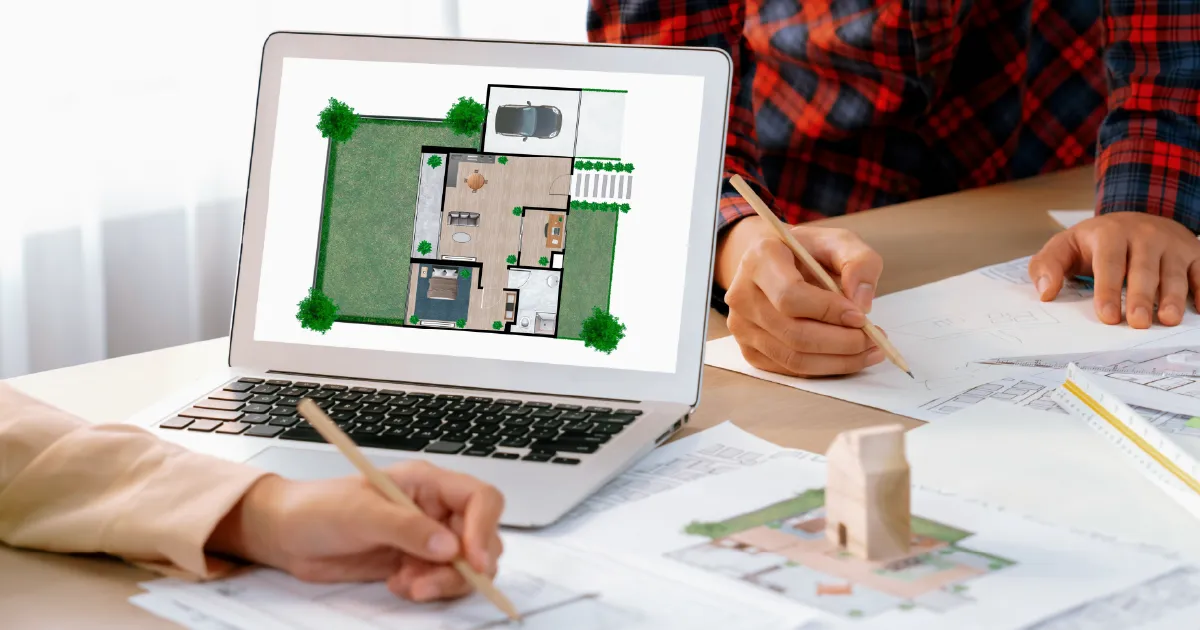
    A great new house floor plan isn’t just about square footage and fancy features. It’s about how your home feels, how it flows, and how it fits into the rhythm of your family’s life. It’s about creating a space that feels like it was designed just for you. So, how do you find that best home layout? Let’s dive into four essential tips to help you choose a new house floor plan that truly makes your everyday life easier, more comfortable, and a perfect reflection of your family’s unique needs.

    1. Live Your Life, Design Your Home: Prioritize Lifestyle and Space Needs

    Imagine a home designed to complement your lifestyle, not the other way around. Your home should reflect you—a space that effortlessly supports your daily routines and enhances your way of living. When you’re choosing a townhome floor plans or single-family floor plan, take a moment to really think about how your family lives day-to-day. What routines make life smoother? What are the little things that bring joy and comfort? And, importantly, what will your family need as time goes on? A well-designed layout should be your ally, simplifying your life, not adding to the chaos.

    For Growing Families: Visualize the chaos of toys scattered everywhere, the need for quiet homework time, and the joy of family movie nights. Look for homes with at least three bedrooms, a primary suite with a walk-in closet, and a flexible bonus room. That bonus room could start as a playroom, evolve into a teen hangout, and eventually become a study space. It’s all about adaptability.

    For Entertainers: Do you love hosting gatherings? Imagine the aroma of a holiday feast filling a spacious kitchen, the laughter of friends gathered around a kitchen island, and the seamless flow from indoor to outdoor spaces. An open-concept design is your best friend. Picture fun-filled parties, casual brunches under the sun, and memorable game-day celebrations.

    For Remote Workers: In today’s world, a dedicated workspace is a must. A quiet office or flex space can be a game-changer for your productivity and sanity. Live in a space where you can focus, take calls, and find your creative flow.

    For Empty Nesters: As your needs evolve, a primary suite on the entry-level becomes a haven of convenience and long-term comfort. Find a new home that’s easy to navigate, a place where you can relax and enjoy your newfound freedom.

    Don’t just think about today; think about tomorrow. Will this home still fit your lifestyle in five or ten years? The best house floor plan is one that grows with you, adapting to your changing needs.

    2. The Beauty of Functionality: Prioritize Flow and Purpose

    A home can be visually stunning, but if it doesn’t function well, it’s going to lead to daily frustrations. The best floor plans feel natural, like a well-choreographed dance, allowing you to move through your day with ease. On the flip side, a poorly designed layout can create hidden annoyances that you won’t notice until you’re living there.

    Layout That Works for You: Whether you’re considering a townhome or a sprawling single family house floor plan, every square foot should have a purpose. Ask yourself: Does the layout make sense? Is there a clear path from the kitchen to the living room? Are the bedrooms tucked away in a quiet corner of the house?

    Consider Your Daily Routine: Start with your morning routine. Is there a smooth flow from the bedroom to the bathroom to the kitchen? A well-planned, best home layout creates a sense of calm and order, making your home feel comfortable, not cramped or awkward.

    3. Let the Light In, Embrace the Outdoors: Natural Light and Outdoor Living

    A home filled with natural light just feels brighter, bigger, and more inviting. It’s like a breath of fresh air, lifting your spirits and creating a warm, welcoming atmosphere. Townhome floor plan or single-family floor plan that embrace large windows and outdoor spaces add both style and functionality to your everyday life.

    Large Windows: More than just letting in sunlight, large windows act as living artwork, framing the beauty of each season. They offer a dynamic design element that evolves throughout the year, allowing you to enjoy the view when you want or create privacy when needed.

    Outdoor Connections: Patios, decks, and balconies extend your living space, creating a seamless transition between indoors and out. Sip your morning coffee with a dose of vitamin D, hosting an al fresco dinner under the stars, or curling up with a good book on a lounge chair, surrounded by nature’s beauty.

    Strategic Window Design: Thoughtfully placed windows not only brighten your home but also contribute to energy efficiency. Plus, indoor plants thrive in those sunlit spots, bringing life and a touch of nature inside.

    Homes with bright, open spaces tend to feel more welcoming and enhance your overall well-being. Studies have shown that natural light can boost your mood and create a more positive living environment.

    4. Evolving with You

    Life is full of changes, and your home should be able to adapt to those changes. Check the flexibility options in your house floor plan to ensure it meets your needs both today and in the future.

    Flexible Spaces: A bonus room might start as a toy station, progress to a playroom, become a study space, and eventually transform into a home office or guest room. It’s all about versatility.

    Room to Grow: Embrace Lifestyle Adjustments: Finding a home with room to expand allows you to embrace new hobbies and interests. Imagine a yoga studio, an art space, a home gym, or a cozy reading nook.

    Move-In Ready vs. Pre-Sale Options:

    Looking for a quick move? MSR Communities provides new construction move-in-ready homes, allowing you to begin your new life right away.

    Want to add a personal touch? We offer customization options on our pre-sale communities so you can affordably craft your dream home.

    Choosing a flexible floor plan ensures that your home will fit your family’s needs as life evolves.

    Final Thoughts:

    Your home’s floor plan is more than just walls and rooms; it’s the foundation of your daily life. It’s where memories are made, laughter is shared, and dreams are pursued. When choosing the best home layout, think about how it will function, how it will feel, and whether it will grow with you over the years.

    Whether you’re looking for a quick move-in home or a customizable build, MSR Communities has the perfect home is waiting for you. Let’s find your dream home today.