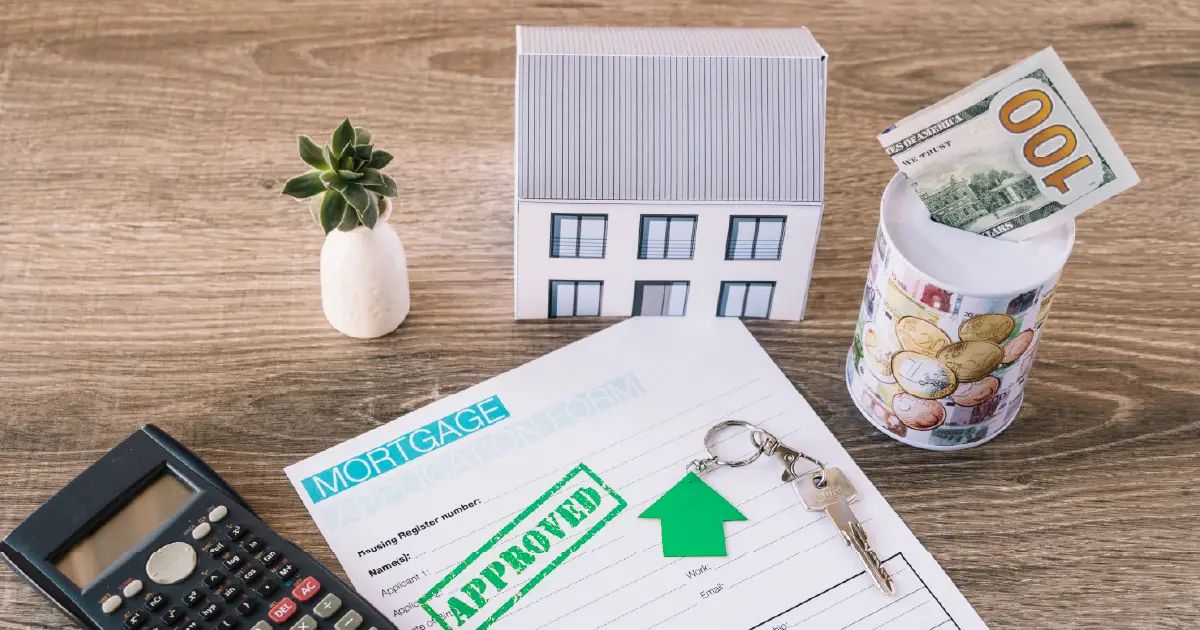
Tag: New Construction Home

  • What Happens During a Final Walkthrough With a Builder?

    What Happens During a Final Walkthrough With a Builder?

    Moving into a brand-new home is one of those moments people imagine for years. You picture how your mornings will start, how the light will fall through the windows, and what that first quiet evening will feel like.

    And then you move in—and sometimes, a few small things don’t feel quite right.

    • Maybe a cabinet doesn’t close as smoothly as it should.
    • Maybe a switch doesn’t seem to control anything.
    • Maybe there’s a patch of paint that looks different once the sunlight hits it.

    These aren’t major problems. But they’re the kind of details you notice more once you’re living there—when your routines begin and your expectations settle in.

    It’s also when many homeowners quietly think:
    “I wish I had taken a closer look before closing.”

    That’s exactly where the final walkthrough comes in.

    Often called a pre-closing walkthrough or new home walkthrough, this step isn’t just a quick formality before you get your keys. It’s your time to walk through your home with fresh eyes, ask questions, and make sure everything feels right before it officially becomes yours.

    When you approach it with intention—and with a clear final walkthrough checklist—this moment can make a real difference in how confident and comfortable you feel on move-in day.

    Why the Final Walkthrough Deserves Your Attention

    By the time you reach this stage, you’ve already made a lot of decisions. Floor plans, finishes, upgrades—it’s been a journey.

    The walkthrough is where it all comes together.

    This is your opportunity to:

    • See your completed home in full.
    • Check that the details match what you chose.
    • Understand how everything works.
    • Catch anything that may need a final adjustment.

    It’s not about looking for flaws. It’s about making sure your home reflects what you were promised—and what you envisioned.

    Many buyers also choose to schedule a new construction inspection around this time. While that’s done by a third-party professional, your home inspection walkthrough with the builder is more personal. It’s about your experience of the home—how it looks, feels, and functions for you.

    When Does the Walkthrough Happen?

    Your pre-closing walkthrough usually takes place a day or two before closing.

    At this point:

    • Construction is mostly complete.
    • Utilities are turned on.
    • The home is ready for a final review.

    This timing gives you a clear picture of what you’re stepping into—without delaying your closing.

    At MSR Communitieswe believe this stage of the journey should feel thoughtful—not rushed. 
    From your first visit to your final walkthrough, every step is a chance to ensure your home reflects what matters most to you.

    How to Prepare (Without Overcomplicating It)

    You don’t need to overthink this—but coming prepared helps you feel more in control.

    Here’s what many homeowners find useful:

    • A simple final home inspection checklist
    • Your contract or list of selected upgrades
    • Your phone (for notes and photos)
    • Comfortable time—try not to rush this visit

    More than anything, give yourself permission to slow down. This is one of the few times you’ll walk through your home before it’s filled with furniture, boxes, and everyday life.

    What the Walkthrough Actually Feels Like

    Your builder or representative will guide you through the home, usually room by room.

    It’s a conversation as much as it is a review.

    They’ll show you how things work—your thermostat, appliances, and electrical panel. You’ll open doors, turn on faucets, and test switches.

    Some moments will feel technical. Others will feel surprisingly personal.

    Because somewhere between checking outlets and running the shower, you’ll start to picture your life there more clearly.

    Walking Through Your Home: What to Look For

    Let’s keep this simple and practical. You don’t need to be an expert—you just need to be observant.

    • Start Outside

    Before heading in, take a few minutes to look at the exterior.

    Notice the driveway, the paint, the way the landscaping has been finished. Does everything look complete? Does it match what you expected?

    • Try Every Door

    It sounds basic, but it matters.

    Open and close each door. Make sure locks feel secure and handles turn smoothly. Small alignment issues are easier to fix now than later.

    • Look at Walls and Floors in Natural Light

    This is where many small details show up.

    Walk slowly. Let your eyes adjust. You might notice minor paint variations or small marks. These are common, and this is the right time to point them out.

    • Check the Windows

    Open them. Close them. Lock them.

    Pay attention to how they move and seal. Windows play a big role in comfort, even if it’s not something you think about every day.

    • Spend Time in the Kitchen

    The kitchen is one of the most used spaces in any home, so give it a little extra attention.

    • Open cabinets and drawers
    • Check alignment and finishes
    • Turn on appliances
    • Run the sink

    Make sure everything feels solid and works the way it should.

    • Test the Bathrooms

    Turn on every faucet. Flush each toilet. Let the shower run for a moment.

    You’re looking for steady water pressure, proper drainage, and anything that feels off.

    • Flip the Switches

    Go room by room and test lights and outlets.

    It may feel repetitive, but it’s one of the simplest ways to avoid surprises later.

    • Understand Your Systems

    This is where your builder’s guidance really matters.

    Ask them to walk you through:

    • Heating and cooling
    • Thermostat settings
    • Electrical panel basics

    You don’t need to remember everything—but having a general understanding helps.

    • Don’t Skip Utility Spaces

    If your home has an attic, basement, or utility area, take a quick look.

    These spaces aren’t always top of mind, but they’re important for how your home functions over time.

    A Simple Final Walkthrough Checklist

    You don’t need anything complicated—just a clear way to stay organized.

    Your final walkthrough checklist might include:

    • Are all agreed upgrades in place?
    • Do doors and windows open and close properly?
    • Are walls, floors, and finishes in good condition?
    • Are appliances working?
    • Is plumbing running smoothly?
    • Are lights and outlets functioning?
    • Does the exterior look complete?

    Think of this as a guide—not a test.

    What If You Notice Something?

    You probably will. And that’s okay.

    During your new home walkthrough, anything that needs attention is typically added to a punch list—a simple record of items to be completed or adjusted.

    This might include:

    • Paint touch-ups
    • Minor alignment fixes
    • Small finish corrections

    Your builder will review these with you and explain next steps.

    This process is normal, and it’s part of bringing your home to its final, finished state.

    After the Walkthrough

    Once your walkthrough is complete:

    • Your builder begins addressing the punch list
    • Final preparations for closing continue
    • You move one step closer to getting your keys

    Some items may be completed before closing, while others may be scheduled shortly after. Clear communication here makes a big difference.

    A Quick Note on Inspections and Warranties

    If you’ve scheduled a new construction inspection, that report may highlight additional items to review.

    Most builders also provide a warranty that covers certain aspects of the home after move-in. It’s worth taking a little time to understand what’s included.

    Why This Step Matters More Than It Seems

    It’s easy to think of the walkthrough as just another appointment.

    But in reality, it’s a pause.

    • A moment to step into your home before life fills it up.
    • A chance to notice details you might otherwise miss.
    • A way to move forward, feeling more certain about your decision.

    Many of the small frustrations homeowners experience later can often be traced back to things that simply weren’t caught at this stage.

    Not because anyone did something wrong—just because the moment passed too quickly.

    Looking Ahead to Move-In Day

    When you walk into your home after closing, you want to feel at ease.

    Not like you’re still checking things. Not like you’re making a list in your head.

    Just… at home.

    Taking your time during the pre-closing walkthrough helps create that feeling.

    Finding a Home That Feels Right—From the Start

    If you’re beginning your search or exploring newly built townhomes or single-family homes, we invite you to take a closer look at what we’re creating.  

    Explore our homes for sale and discover spaces designed with real life in mind—where details are considered, and your experience truly matters. 

  • Rent vs. Buy in 2026: Why More Buyers Are Choosing New Construction Homes

    Rent vs. Buy in 2026: Why More Buyers Are Choosing New Construction Homes

    Can’t decide between renting vs. buying a home? Well, you are not the only one stuck with the same doubt. After a given time, most renters start having the same question: Is now the time to buy a new home?

    With the rent prices rising across the city and housing requirements changing for first-time buyers, professionals, and families, people are now considering the long-term benefits of homeownership. While renting might seem like a more flexible option for some, the others are looking for something more permanent that they can call home.

    This is one of the biggest reasons why first-time homebuyers are now exploring new construction homes that are carefully planned and designed to meet modern lifestyles.

    The debate between rent vs. buy is not only about paying your monthly rent, it is also about what buyers are now seeking, which is a more comfortable, stable, and customized lifestyle in a home that matches their vibe.

    If you are one of those people who cannot decide whether they should rent vs. buy a home, this guide will walk you through your best options, including the differences, benefits, budget planning, and costs involved to help you make a more informed choice.

    *Considering a fresh start in a modern community? Explore new construction homes near you.

    Rent vs Buy: Which Option Should You Choose?

    There’s no right or wrong answer when it is about buying vs. renting a home; it all filters down to your future plans, financial potential, and how you want your ideal home to be.

    Some buyers find renting a home as a better choice as it offers flexibility, while others look for something more long-term, like buying a new home that adds value over time.

    Here’s a quick comparison between renting vs. buying a home, covering all the main factors:

    Category 

    Renting a Home  Buying a Home 

    Monthly Costs Over Time 

    Rent prices will likely increase over a period of time, sometime even annually.  The mortgage for a new home is often fixed, giving you more consistency. 

    Building Equity 

    The rent you pay every month goes directly to the property owner. 

    Your monthly payments directly add to your ownership rights over time. 

    Initial Costs  You will only need to pay a security deposit along with the rent of your first month. 

    You will need to pay the initial down payment amount along with the closing costs involved. 

    Maintenance 

    All the major repair work is taken care of by the property manager or the house owner or landlord. 

    The repair work is generally taken care of by the homeowners. 

    Flexibility 

    It is much easier to shift or relocate after the agreement or lease ends. 

    It is best for buyers with long-term housing plans. 

    Personalization  Gives you restricted access to customize or make design changes. 

    You get complete freedom to customize your home as per your choice. 

    Long-Term Value  You don’t get ownership or resell rights. 

    You get complete ownership rights with potential for future equity. 

    Buyers who are comparing their buying vs. renting options should consider checking the balance between long-term goals and short-term flexibility.

    Also, read…

    10 Must-Haves to Look for in Your New Home: A Buyer’s Guide

    Benefits of Buying a Home vs Renting

    One of the easiest ways to differentiate between renting and owning a house of your own, is to understand its benefits, and how it aligns with your lifestyle choices, both now and in the future.

    Benefits of Renting a Home

    • Flexibility: Renting a home makes it easy to shift, depending on your lifestyle choices, career opportunities, and moving out plans, offering short-term flexibility.
    • Low initial costs: You generally need to pay low upfront costs while renting a home, as compared to buying a new home, which seems like a better option for some families, as it is more manageable.
    • Reduced maintenance responsibilities: One of the first advantages in renting a home is that the repairs and maintenance are mostly handled by the landlord or the homeowner, cutting down the burden of bearing the additional costs.
    • Best budget-friendly option: Renting is one of the best options for those who need more time for making a huge investment, giving them ample time to decide on their option.

    Benefits of Buying a Home

    • Long-term value: Every payment or mortgage that is paid regularly directly adds to your equity and long-term housing ownership.
    • Steady housing costs: Homeowners need not worry about their mortgages increasing, as they are generally fixed and do not change.
    • Easy personalization available: With a home of your own, you get the liberty to alter and change the feel of your home without any limitations. You can change, and plan the layouts, finishes, upgrades, and décor as per your choices.
    • Homeownership rights: Even with the real estate market fluctuations, you get to be secure, as investing in a new home comes with long-term benefits.

    Also, read…

    Transitioning from Renting to Owning a Home: A Step-by-Step Guide

    Cost of Renting vs Buying a Home

    One of the most important factors to consider while comparing the cost of renting vs. buying a home is to calculate beyond the monthly payments you make.

    In most cases, renting can seem like a better and a more affordable option considering its low upfront costs, but over time it can get too overwhelming with the annual increases and the thought of the payments not contributing towards something more long-term.

    Here’s what you can expect by renting a home:

    Renting is often a more flexible and convenient option for people with short-term plans. However, here’s a quick rundown of what you can expect as a renter renting a home:

    • The rent will increase every time you have your lease renewed.
    • The payments you make do not add to your equity or ownership.
    • The rising home values may seem like a burden for the renters.

    Here’s what you can expect from buying a home:

    Buying a new home generally involves huge upfront costs, but most buyers consider it to be a long-term investment for their future.

    Some of the reasons why buyers are now looking into new construction home communities are as follows:

    • The mortgage paid every month directly adds to your ownership.
    • Newly built homes these days come with low maintenance and modern features.
    • Some of the newly constructed homes also come with energy-efficient features that will significantly cut down your utility costs every month.
    • Homes in modern communities are built keeping in mind comfort, luxury, and affordability.

    Most first-time homebuyers see their homebuying journey as a personal achievement, though it can cause financial strain.

    Also, read…

    Townhome Living: Pros, Cons, and Costs

    Rent vs Buy: 5 Most Common Myths About Buying a Home

    While buying a new home sounds like a new chapter unfolding, there are many false beliefs that circulate around the idea of buying a home, particularly among renters who think homeownership is beyond achievable.

    Let’s clear it up once and for all, with the top 5 most common myths or misconceptions that most buyers must have heard of:

    Myth 1: Renting is always a cheaper substitute for buying.

    Renting will likely cost you less initially, but the monthly rent payments do not contribute towards long-term goals, nor do they add any value or build equity. This is one of the main reasons why most people begin to carefully differentiate between the benefits of buying a home vs. renting.

    Myth 2: New construction homes are expensive.

    Most people automatically conclude that new construction homes cost more than older homes. However, the truth is that new homes don’t need long-term costs as they are built with high-quality materials, and modern features that come with low maintenance.

    Myth 3: You need to maintain perfect credit to buy a home.

    You don’t need perfect credit to buy a new home. Most financing programs are designed particularly to assist first-time home buyers, making their homeownership journey easy with flexible options.

    Myth 4: Buying a new home is too complicated.

    Buying a home is one of the most beautiful and important things in one’s life, so naturally the process can get overwhelming at first. In situations like these, consulting trusted builders like MSR Communities can make the process manageable, supportive, and easy-going throughout.

    Myth 5: You need to make a huge down payment.

    Most buyers automatically think they need to pay high upfront costs to buy a home. However, contradicting the assumption, in reality, there are plenty of financing options that one can choose from. These finance options come with low initial costs that are manageable by most buyers.

    Why More Buyers Are Choosing New Construction Homes?

    The increasing demand for new construction homes is increasing by the day, with today’s buyers looking to buy homes that support their lifestyle.

    You can find new construction homes that prioritize the following features:

    • Energy efficiency
    • Flexible spaces
    • Open layouts
    • Communities that are welcoming and feel more connected to the neighborhood
    • Updated finishes

    These are the selling points that attract buyers looking for a new home for sale to newly built homes and modern communities.

    • Move-In Ready Convenience: Most new construction homes now come with move-in ready spaces that are designed with modern features, not requiring any major renovations or repairs.
    • Updated Features: Buyers now are looking for homes that are high-end yet operational with features that are comfortable and premium. New construction homes also come with highlights like open-concept kitchens, spacious living areas, and additional spare rooms.
    • Smart Design Homes: Modern construction materials, and energy-efficient features will significantly cut-down your utility costs, giving you homes with present-day designs. This makes new construction homes a better choice compared to old properties.
    • Easy connectivity: Newly built communities are close to parks, schools, restaurants, and shopping malls, with easy commute access; this gives homeowners the advantage of flexibility and accessibility.
    • Long-Term Appeal: Buyers find contemporary features, modern floor plans, and updated finishes super appealing as they increase the resale value over the period of time.

    Also, read…

    New Construction Homes for Sale: Your Guide to Buying a New Home

    Conclusion: Is It Better to Rent or Buy?

    The answer to the above question is simply based on your financial goals, lifestyle, housing priorities, and long-term planning.

    Some people find renting a better and more flexible option, while other buyers look for something more permanent and lasting. Having a home to call your own gives a sense of stability, peace, privacy, and security.

    That’s one of the main reasons why new homebuyers are now looking out for new homes for sale in well-planned communities.

    If you are currently deciding between buying or renting a house, now could be the right time to research your options and figure out what homeownership could feel like for you.

    Ready to Explore Your Next Home?

    Finding your new home starts with finding a trusted builder.

    Buyers today look for smart layouts with modern architecture and quality homes. MSR Communities delivers exactly that, giving you well-designed homes that are innovative and built to match your vibe.

    Frequently Asked Questions

    How do I calculate rent vs. buy options?

    You get to compare your taxes, mortgage payments, rent changes, and maintenance costs with a rent vs. buy calculator.

    What are the advantages of renting vs. buying a home?

    Renting a home gives you reduced upfront costs and flexibility, while buying a home gives you long-term stability, value, and a chance to build equity.

    When should you buy vs. rent a home?

    Renting is best for short-term plans and comfort, while buying a home is more of a long-term option requiring long-term investment in your future.

    How can you find new construction homes in your area?

    To find new homes for sale in your area, you can go through local communities, online builder listings, and talking to nearby builders in your area.

    Is it better to buy new construction or an existing home?

    Most buyers prefer new construction homes over existing homes as they come with updated features, modern furnishings, and low maintenance requirements.

    Are new construction homes cheaper than older homes?

    New construction homes are somewhat cheaper than older homes in terms of maintenance and energy efficiency; however, they come with high initial costs.

    How to buy a new construction home?

    To buy a new construction home, you must set a fixed budget, choose an area, and consult experienced builders in that locality to help you with the process.

    How can I estimate new home construction costs?

    You must calculate upgrades, base pricing, lot premiums, closing charges or costs, energy savings, and long-term maintenance.

    Are new construction homes a good investment?

    Yes, new construction homes give you modern homes with upgraded features and long-term appeal.

    What should you ask when buying a new construction home?

    You should ask for upgrade options, community amenities, warranty coverage (if any), features included, project timelines, and check the proximity to nearby schools and malls, etc.

  • The 1% Rule: How a Small Shift in Interest Rates Can Change Your Home-Buying Story

    The 1% Rule: How a Small Shift in Interest Rates Can Change Your Home-Buying Story

    When purchasing a home, time is crucial. In the current unpredictable U.S. real estate market, purchasing your dream home may seem impractical at times. Making a decision too late could result in significant purchasing power loss, particularly when mortgage interest rates fluctuate. Even a small change in home finance rates, like a 1% raise, can have a big impact on the kind of home you can afford.

    The good news is that when you understand how interest rates affect your home buying, you take back control of them. With the right planning and guidance, you can confidently move forward toward the lifestyle you’ve been dreaming of while navigating these changes and exploring single-family homes, townhomes or even new neighborhoods.

    This article will help you stay ahead of the curve no matter where your move takes you. It will explain how a 1% change in mortgage rates impacts your home buying, break down the math behind it, and give you practical steps to stay ahead of the curve.

    What Is Buying Power in Real Estate?

    Buying power is the amount of a home you can afford given your income, down payment, and loan terms. The mortgage interest rate, which directly affects your monthly payments, also determines how much house you can afford. Because a lower interest rate translates into smaller monthly payments, you have more options when you’re looking for a new construction home. On the flip side, monthly payments can feel tough—especially with higher interest rates and poor financial planning limiting your options.

    The Impact of a 1% Change in Mortgage Interest Rate

    To truly understand the impact of rising interest rates on mortgages. Let’s look at an example, a story of two families, each on a similar journey. They both seek a home and can afford to borrow $350,000 for their new hearth. They both choose the path of a 30-year fixed interest rate home loan, a steady path that will not surprise them with sudden shifts.

    The first family begins their journey when the market is gentle, with an interest rate for the mortgage at 5%. For them, the monthly burden of principal plus interest is about $1,878. They can comfortably carry this load each month.

    The second family, however, starts their journey a little later. The real estate market has grown a little swifter, and the interest rate has risen to 6%. For them, the monthly weight of principal plus interest comes to roughly $2,098.

    Just 1% difference, that small change in the current, adds up to an additional $220 each month. Over the full 30-year span of their journey, this amounts to nearly $79,000 more in interest payments. This is the true meaning of the impact of rising interest rates on mortgages. This small change in the number directly affects what a family can carry. If the first family was comfortable with a $1,900 monthly payment, the difference between 5% and 6% could reduce their loan eligibility by tens of thousands of dollars, making a treasured home suddenly out of their reach. The dream of a certain -sized single-family home might be replaced with the reality of a smaller one, or the search might shift to a compact home.

    Crossing the Great Land: Why This Matters When Buying in a Different State

    There is a question that many ask: “Can I buy a house in another state?” The answer, as always, is “Yes, you can.” The interest rate for a mortgage may feel slightly different depending on the lender you work with, the local housing market, and your own story. For many who choose to relocate, a 1% change in rates can be the difference between whether the journey to a new land is even feasible.

    When you are comparing homes in different places, your calculations of what you can afford may vary substantially based on these rates. You may need to stretch your budget or look at smaller single-family homes instead of luxury ones if the rate is higher in a new state. However, a reduced rate might open up a different story, allowing you to access more desirable neighborhoods or even a community of newly built townhomes that have just been built on new and fertile ground. This is the essence of how interest rates affect home buying on a grand scale, shaping not just the home you get, but the very land you get to live on.

    How to Purchase a Home (and Take Interest Rates into Account)

    If you are getting ready to begin your journey, consider these important words of wisdom:

    • Know your financial strength. Take a close look at your preparedness through the Four C’s of Credit—your Credit Score, Capacity, Capital, and Collateral.
    • Improve your credit score, your earnings, and your savings. Better home finance rates are frequently the result of a stronger financial profile, just as a strong tree with deep roots can stand firm against any wind.
    • Get mortgage preapproval. With pre-approval, lender can tell you how much you can afford at the current rates, and you will know the limits for the next home.
    • Investigate loan providers and alternatives. You could save thousands of dollars by comparing the different offers suggested by different lenders.
    • Study the new land. Examine the cost of living and loan requirements in the new state if you are willing to purchase a home there.
    • Remember all the provisions. Include additional expenses in your plan. In addition to the mortgage, take homeowners association dues, property taxes, and insurance into consideration.
    • Stay on top of mortgage rates because they can change quickly — sometimes even from day to day. Timing matters, and keeping an eye on those shifts can make a real difference in what you end up paying.
    • Walk with a good guide. Collaborate with real estate experts, for a local agent can assist you in determining whether this is the ideal time to buy in a particular community.

    Do first-time homebuyers get a lower interest rate?

    This is a question often asked by people beginning their first great search for a home. The answer is “No” usually. The loan system do not choose based on whether you are a first-time buyer. Home finance rates are based on factors like the strength of your credit score, the stability of your income, the amount of your down payment, and your overall financial health. The path is the same for all.
    However, a different kind of wisdom is available. First time home buyers may qualify for special loan programs or down payment assistance that help them lower their overall costs. These programs don’t always change the rate itself, but they are like a kind elder offering a helping hand, making the journey of buying a home more affordable in the long run.

    The Final Lesson: What Your Choices Tell About You

    The journey of home buying is a story of choices. Whether to choose a vast, open single-family home or a close-knit newly built townhome—these choices are shaped by the state of the market. A 1% change in rates could affect your ability to get the larger home, forcing you to settle for a smaller one or to look at a new kind of community entirely. When rates fluctuate, buyers frequently need to review their spending plan, their expectations, or their desired neighborhoods.

    When you buy a home, it’s wise to look beyond just the price tag. Think about the long-term costs too—especially if home finance rates go up or down. If you’re flexible on location, even within a city like Seattle, you might find more breathing room in areas with lower property taxes, smaller HOA fees, or more affordable homes overall.

    A 1% difference in the interest rate for mortgage might not sound like much, but it is a powerful force that can significantly impact your home-buying journey. That single percentage point can change your monthly payment, as well as the size, location, and type of home you can afford.

    Understanding how interest rates affect home buying is the key. It’s the difference between being able to afford a new townhome versus a single-family home, or a home in one state versus another. Ultimately, buying a home is about more than just finding the perfect property; it’s about careful financial planning, and the wisdom of home finance rates is a crucial part of that equation.

    Ready to see what your hand can truly carry in today’s market?

    At MSR Communities, we are here to help you explore your options. We have a wide variety of homes available, so whether you’re ready with financing for your mortgage options for single-family homes or a chic, modern townhome, we can help you find a place that fits your budget and your lifestyle, a place to call your own for all the seasons to come.

    Disclaimer: This information is for general guidance only and should not be taken as professional financial or legal advice. 

  • Space-Saving Solutions for Your Organized Bedroom

    Space-Saving Solutions for Your Organized Bedroom

    When you’re touring newly built townhomes or single-family homes, it’s easy to focus on the primary suite—that big, beautiful retreat where you start and end your day. But here’s the truth: with a little creativity and smart design, any bedroom in your home can feel just as comfortable, functional, and stylish as the “official” primary bedroom.

    That means secondary bedrooms, guest rooms, or even an entry-level bedroom can feel like the best room in the house. It’s not about size—it’s about how you use the space.

    If you’ve ever wished you could maximize space in a small bedroom, or you’re looking for bedroom décor ideas for small spaces, you’re in the right place. These ideas aren’t just for small homes; they’re for anyone who wants to make every square foot count.

    Let’s explore small bedroom ideas that help you transform your space into a true home sweet home.

    Step 1: The Power of an Organized Bedroom

    Before you start adding furniture or hunting for décor, take a step back and declutter. Even in the most spacious rooms, excess items can make the area feel cramped. The effect is even more pronounced in small spaces

    Practical Tip:
    • Dedicate a weekend to going through clothing, décor, and other belongings. Donate or sell what you no longer use.
    • Develop a habit of “one-in, one-out,” meaning an old item is removed when a new one is added.
    • To keep everything organized, use drawer dividers, bins, and storage baskets.
    Why is it effective?
    • Children free up more space to play by keeping school supplies and toys contained.
    • Teens are able to arrange their hobbies, electronics, and books without making their desk or bed look cluttered.
    • Adults prefer a quiet, hotel-like setting free of paperwork and laundry mounds.
    • Clear, obstacle-free pathways make the space safer and easier to use for elderly parents.

    You’ll notice that well-organized bedrooms feel instantly larger when you tour a model home from MSR Communities. It’s just a matter of smart planning, not magic.

    Step 2: Accept Vertical Space

    The walls become your best ally when floor space is at a premium

    • Climb Up with Shelves: Wall-mounted shelves or tall, robust shelving units provide storage without taking up additional space in the room. Use them for daily necessities, books, or ornamental storage boxes.
    • Shelving Open to Create an Airy Appeal: Ideal for showcasing well-folded throws, plants, or family photos. As a result, the room feels open rather than enclosed.
    • Closed cabinets for hidden storage are ideal for items that add visual clutter, such as seasonal bedding, extra pillows, or holiday décor. When painted the same color as the walls, they visually “disappear” and create the illusion that the room is larger.
    • Generational Twist: Teens may have shelves in their rooms that display awards and artwork. In their room, grandparents can readily access framed photos, mementos, and reading materials.

    Step 3: Multipurpose Furnishings for Multigenerational Homes

    Space-efficient small bedroom furniture can be used for two or even three purposes, especially in homes with a variety of needs from different generations.

    • Storage beds: Clothes, linens, and shoes are kept hidden in drawers beneath the bed
    • Ottomans with Storage:Excellent for guest bedding, teen blankets, or children’s toys
    • Murphy beds: These can be folded up during the day to free up important space for play, work, or exercise.

    In everyday life, these smart storage solutions shine. A teenager’s bedroom can double as the neighborhood gathering spot, with extra floor space freed up for beanbags or gaming chairs. That comfortable spare room can be quickly transformed into a productive home office when visitors aren’t staying, keeping work and relaxation apart. Additionally, everything an aging parent needs is close at hand when they live on the entry level, guaranteeing comfort and accessibility without sacrificing useful storage space.

    These multipurpose solutions look great in a home in MSR Communities because the layouts are made to adapt to new family members, hobbies, and life stages.

    Step 4: The Enchantment of Murphy and Loft Beds

    Although they’re ideal for setting up a space for study or play underneath, loft beds aren’t just for kids. A loft bed can make room for a desk, chairs, or additional storage in a tiny guest room.

    Murphy beds, meanwhile, are lifesavers in a multi-use room. Imagine an upstairs secondary bedroom that serves as your home office by day and a fully functional guest room by night. Guests enjoy a real bed, not a fold-out sofa, and you still keep your workspace neat and professional.

    Step 5: Entry-Level Bedrooms —Accessibility Meets Style

    If your home includes an entry-level bedroom, you have the perfect setup for multi-generational living. For elderly parents, the convenience of avoiding stairs is invaluable. With smart design choices, this room can feel every bit as special as the upstairs primary suite:

    • Lower, easy-access shelving to avoid step stools
    • Motion-sensor lighting for safety at night
    • Compact seating for reading or relaxing

    The same room can serve as a guest space when relatives visit, and with a Murphy bed, it can even double as a hobby room or secondary home office. This kind of thoughtful space planning means every generation can enjoy their private, comfortable retreat.

    Step 6: Equal Comfort for Every Generation

    The fact that a well-considered bedroom design creates an even playing field is among its best features. Even though the space is smaller, kids and teenagers can still enjoy rooms that feel as spacious and fashionable as their parents’ suite.

    • For children: Loft beds combine storage, homework, and play space into one space.
    • Teens: Small desks that have charging ports help keep electronics neat without taking up too much space in the bed.
    • For adults: Even tiny spaces can feel opulent with soft lighting, well-coordinated bedding, and clutter-free surfaces.
    • For aging parents: Warm lighting, supportive seating, and adjustable beds provide comfort without sacrificing design.

    Every room in a well-designed home feels spacious, ensuring that no one feels disadvantaged by the size of their bedroom.

    Step 7: The Home Office Twist

    Working from home? A small bedroom can be an ideal office if you plan it right.

    • Use a wall desk that can be folded down to save room when not in use.
    • To convey that video calls are professional, keep the décor straightforward and polished.
    • Add under-bed or vertical office supply storage.
    • Bonus: The office immediately transforms back into a cozy sleeping area when visitors stay overnight.

    Secondary bedrooms are often tucked away from the main living areas, making them ideal for a distraction-free, peaceful workstation.

    Step 8: Typical Errors to Steer Clear of Overcrowding

    A bedroom that has too much furniture feels claustrophobic.

    • Ignoring lighting: Uneven, dim lighting can make a room appear smaller.
    • Ignoring the wall color—dark, heavy colors can make a small area seem smaller.

    If your home is well-designed, you have an advantage in this area; you’re less likely to make these mistakes in the first place thanks to flexible floor plans, clever electrical layouts, and natural light.

    Step 9: Low-Cost Upgrade Options 

    • For a feature wall without the permanence, use peel-and-stick wallpaper.
    • Invest in modular shelving that can be adjusted to meet your changing needs.
    • Find high-quality, reasonably priced furniture by shopping secondhand.

    And if you purchase a home in pre-sale with MSR Communities, you may even have the option to choose your cabinet colors — giving you the chance to personalize your space from the start. Early buying means more opportunities for customization before you move in.

    Step 10: How This Fits with Your New Home Purchase

    The beauty of MSR Communities’ newly built townhomes and single-family homes is that they’re designed with flexibility in mind. Whether you’re setting up a welcoming entry-level bedroom for an elderly parent, turning a secondary bedroom into your dream office, or making sure your kids’ rooms feel just as special as yours, you have the perfect canvas to work with.

    With the right arrangement, every room can feel spacious—no matter its size on paper.

    Final Thought:

    Imagine living in a house where all of the bedrooms, from your calm primary suite to a well-designed guest room, feel equally cozy, practical, and welcoming. With MSR Communities’ newly built townhomes and single-family homes, you can enjoy smart layouts designed for every generation.

    Whether you’re creating a private retreat for an elderly parent on the entry level, setting up a home office that doubles as a guest room, or giving your kids a bedroom that rivals your own in comfort, these homes make it possible to maximize comfort and space in every corner.

    Your next home could be the one where everyone—from kids to grandparents—feels like they have the best room in the house. Explore our homes for sale today—where every family member gets a space that feels just right.

  • How to Find a Dog-Friendly Neighborhood: A Homebuyer’s Guide for Pet Lovers 

    How to Find a Dog-Friendly Neighborhood: A Homebuyer’s Guide for Pet Lovers 

    Nowadays, a lot of homebuyers consider whether their furry friends will be content in their new home in addition to factors like square footage and a reputable school district. Dogs are family. They deserve a lifestyle that keeps them safe, active, and welcome in the community. That’s why finding dog friendly neighborhoods is such a game-changer if you’re searching for your next home. 

    This guide looks at how to identify a dog-friendly neighbourhood, what constitutes a pet-friendly neighbourhood, and how to pick homes that meet the needs of both people and dogs. 

    What Defines a Dog-Friendly Neighborhood? 

    A pet friendly community isn’t just one where dogs are tolerated—it’s one where they’re embraced. So what should you look for? 

    • An abundance of green space, including walking trails, open fields, dog parks, and fenced areas where dogs can run without risk. 

    • Low-traffic streets and sidewalks: Perfect for walks without the anxiety of big cars speeding by. 

    • Local pet culture: Areas where owning a dog is typical and where people greet your dog with smiles rather than frowns. 

    • Pet services in the area: Consider veterinarian offices, groomers, pet stores, and even cafes or eateries that allow dogs on the patio. 

    In fact, some more recent planned communities and neighbourhoods have begun purposefully incorporating these elements. If you’re checking out new construction houses for sale, be sure to explore whether pet amenities are part of the package. 

    Consider Your Dog’s Personality 

    Not every dog needs a sprawling yard or access to hiking trails. Your dog’s needs can—and should—guide your search. Consider their temperament, age, size, and health. 

    • Energetic breeds thrive with space to run and socialize.
    • Senior dogs may prefer flat terrain and homes with minimal stairs.
    •  Shy or reactive dogs might be happier in quieter streets without too many other animals or loud environments.

    Choosing one of the best neighborhoods for dogs means finding a place that matches your pup’s vibe as much as your own. 

    Look Beyond Listings: Signs of a Pet-Friendly Community 

    When touring neighborhoods or browsing single family homes for sale, dig a little deeper than the photo galleries. What does the actual area offer? 

    Check for local parks and trails. You can use Google Maps to scout out green spaces or take a drive to see which parks allow dogs. Bonus points if they’ve got dedicated dog areas with agility equipment or water fountains. 

    Pay attention to foot traffic. Are locals out walking their dogs? Are there waste stations on corners or signs reminding dog owners to leash and clean up? These subtle clues show you that the community values pets. 

    Scan for dog-friendly businesses. Are there cafes where dogs are welcome? Pet boutiques or bakeries? Even grooming vans parked along the street? All signs that you’re entering a dog-forward zone. 

    If you’re exploring newly built townhomes for sale, you might even find developments that incorporate dog-centric amenities, like mini dog parks or pet washing stations. 

    Inside the Home: Pet-Friendly Features to Watch For 

    The neighborhood might be dog heaven, but what about the house? Whether you’re shopping for a condo, single-family home, or brand-new build, here are some pet-friendly home tips to factor in. 

    • Outdoor access: A fenced yard is top of the wishlist for most dog owners. Even a small patio can work if your dog’s calm and potty-trained. 
    • Flooring: Skip the carpet. Hardwood, laminate, or vinyl hold up better against claws and potential accidents. If you’re customizing a new construction house, ask about flooring upgrades built with pets in mind. 
    • Staircases and layout: Older dogs and smaller breeds may struggle with stairs. One-story homes or units with easy outside access can be a lifesaver. 
    • Storage space: Dogs come with gear—leashes, treats, grooming supplies, food bins. Look for mudrooms, nooks, or extra cabinets to keep things tidy. 

    Rules and Regulations Matter 

    Even the most dog-loving areas have rules, and you don’t want to get caught by surprise. 

    Before committing to a home, check the following: 

    •Local pet ordinances include restrictions on the number of pets, noise levels, and leash laws. 

    • Breed-specific laws: Certain breeds are prohibited in some localities. 

    • HOA policies: Examine the pet policies of the homeowner association if you’re thinking about buying a condo or townhouse. Are public spaces dog-friendly? Are outdoor toys subject to weight restrictions or limitations? 

    Getting these answers early prevents headaches later—and helps you choose the most inclusive and welcoming environment possible. 

    Touring Homes? Think Like a Dog Owner 

    Next time you walk through an open house, don’t just imagine your furniture fitting in—think about your dog’s experience too. 

    • Is there space for a dog bed or crate? 

    • How far is the backyard or walking access? 

    • Will the house be quiet enough if your dog’s easily stressed? 

    • Are there slippery floors or long stairs? 

    If you’re looking at new construction houses for sale, ask builders or developers about pet-specific upgrades. Some offer built-in feeding stations, fenced lots, or doggy doors as part of custom packages. 

    Real Estate Agent Questions That Matter 

    Your real estate agent should understand how important your dog is to this process. Don’t hesitate to ask these: 

    • Are any neighborhoods known for being dog friendly? 

    • Can you point out areas with lots of pet amenities? 

    • Have any previous clients shared dog-related feedback about certain communities? 

    If you’re shopping for newly built townhomes for sale or homes in planned communities, the builder might have insights, too. Pet features can sometimes be added during construction or planned into landscaping. 

    What to Look For in New Developments 

    Pets are a major consideration in the construction of many contemporary communities. Look out for:  

    • Dog parks or trails on the property 

    • Pet-owner events held by HOAs 

    • Pet stations or trash cans placed along sidewalks 

    • Builders who provide pet-centered upgrades 

    Not only are these features considerate, but they also demonstrate how the community was planned with people’s actual lifestyles—pets included.

    Completing Everything 

    Finding one of the greatest dog-friendly neighbourhoods requires more than just crossing things off a list; it also entails getting to know the neighbourhood and observing how your dog would live there on a daily basis. 

    Would walks be peaceful and safe?  

    Would neighbors be friendly and accepting? Would the layout of the house support a happy dog life? These questions aren’t secondary—they’re central to building a home life that includes every member of your household. 

    Whether you’re searching for single family homes for sale or scouting pet-friendly new construction, take your time. Walk the neighborhood. Meet the locals. Feel out the energy. Your dog will thank you — with tail wags, sloppy kisses, and years of joyful companionship. 

  • Step Inside model home of The Shore16 in Kenmore, WA  

    Step Inside model home of The Shore16 in Kenmore, WA  

    As the demand for housing continues to change, more purchasers are choosing townhomes because of their affordability, practicality, and long-term worth. Townhomes provide an alluring combination of comfort and functionality, regardless of whether you’re a first-time homeowner, downsizing, or seeking a low-maintenance investment. And Shore16 in Kenmore, WA might be just what you’re looking for if you’ve been looking for recently constructed townhomes for sale or brand-new homes for sale nearby. 

    Buyers looking at new construction homes for sale in the Seattle area are taking notice of Shore16, a townhome community built by MSR Communities. Combining thoughtful design, modern finishes, and an unbeatable location, these homes strike the perfect balance between suburban peace and urban accessibility. 

    The Value of Owning a Townhome Today 

    The real estate market has become increasingly competitive, especially in fast-growing areas like Kenmore. With new construction townhomes in my area, buyers can become homeowners without experiencing the sticker shock that comes with single-family homes

    Townhomes are becoming more popular for the following reasons: 

    • Cost-effectiveness with upscale appeal  

    Although townhomes are usually less expensive than single-family homes, many of them, like Shore16, offer the same high-end layout and finishes. Modern architecture, energy-efficient systems, and fashionable interiors are all provided without breaking the bank. 

    • A Lifestyle with Minimal Maintenance  

    Low-maintenance living is a huge benefit for people who are busy with work or who just want more free time. You can enjoy your weekends without worrying about maintenance when your HOA covers landscaping and exterior care. 

    • Effective Space Utilisation  

    Townhomes are cleverly laid out to make the most of every square inch. Well-sized bedrooms, multipurpose flex spaces ideal for hobbies or remote work, and open-concept living areas are common features. 

    • Suburban Charm Combined with Urban Convenience  

    Just a short drive from Bellevue or Seattle, Kenmore provides access to outdoor recreation, lakeside trails, and picturesque views. If you’re looking for homes for sale near Seattle, Washington, Shore16 is the perfect location because it puts you right in the middle of everything. 

    • An innate sense of community  

    Townhomes frequently foster a feeling of neighbourly connection through communal green areas and well-considered community planning. When your surroundings encourage social interaction and safety, it’s simple to feel at home. 

    Shore16: A Fresh Take on Townhome Living 

    Shore16 should be at the top of your list if you’re looking at new homes for sale in Kenmore, Washington. The residences here, which were built by MSR Communities, are a reflection of the qualities, practicality, and style that modern buyers truly value. 

    Each townhome has the following features:  

    • Modern kitchens with quartz countertops and stainless steel appliances  

    • Open-concept main floors that let in natural light  

    • Energy-efficient construction, ideal for eco-conscious living  

    • Private patios and balconies for relaxation and fresh air  

    • Attached garages for convenient parking and storage 

    These recently constructed townhomes for sale have been meticulously designed to provide a luxurious yet relaxed living environment. 

    Townhomes vs. Traditional Homes: What Buyers Should Know 

    The fear of compromising comfort is one of the main worries of townhome purchasers. However, recently constructed townhomes for sale, such as Shore16, challenge long-held beliefs. 

    • Noise Concerns: Although modern building materials and techniques reduce noise transfer, shared walls frequently give rise to concerns regarding soundproofing. 

    • Outdoor Space: Although townhomes might have smaller yards, many of them have decks or private patios, and there is plenty of green space in the surrounding parks. 

    • HOA Restrictions: Homeowners associations contribute to the community’s continued appeal and functionality. Rules are generally reasonable and enhance people’s quality of life. 

    • Parking: Unlike older developments, Shore16 offers attached garages with space for cars and storage. 

    • Resale Potential: These new construction townhomes near me are expected to increase in value over time due to their excellent location and rising demand. Townhomes are no longer transitional homes—they’re lifestyle choices with staying power. 

    For whom are townhomes appropriate? 

    When looking at new homes for sale in your area, it’s useful to think about who gains the most from townhome living: 

    • New Purchasers  

    Townhomes provide an affordable way to get into real estate without compromising on style or location. 

    • Nesters that are empty  

    Downsizing doesn’t mean compromising. Shore16’s floorplans offer plenty of room with less maintenance. 

    • Remote Workers  

    With built-in offices and quiet corners, townhomes can accommodate modern work-from-home lifestyles. 

    • Investors  

    Attractive to long-term renters, townhomes in areas like Kenmore offer strong ROI, especially when they’re newly built townhomes for sale with contemporary amenities. 

    • Commuters  

    Shore16 is ideal for professionals who require city proximity but prefer the peace and quiet of the suburbs because of its easy access to I-405 and transit routes to Seattle. 

    Kenmore: A Place That Helps You Stay in Touch 

    The location is just as important as the house itself. Shore16 is located in Kenmore, a city renowned for its parks, picturesque waterfront, and sense of community. Lake Washington has bike and kayaking paths for those who enjoy the outdoors. Local schools, such as those in the Northshore School District, are highly regarded by families. 

    And for urban adventurers, Kenmore is just 25 minutes from downtown Seattle. That makes Shore16 a solid choice if you’re shopping for homes for sale near Seattle WA but want to avoid the noise and cost of the city center. 

    The neighborhood itself is surrounded by coffee shops, grocery stores, dining options, and local favorites. It’s the kind of area that lets you walk, bike, or drive wherever you need with ease. 

    Why Shore16 Stands Out 

    There’s no shortage of new construction homes for sale, but Shore16 offers more than just fresh paint and new walls. 

    • Developer Reputation: MSR Communities is known for quality, transparency, and customer care. 

    • Smart Design: From layout to lighting, each home is built with how people really live in mind. 

    • Energy Efficiency: Lower utility bills and eco-friendly options are baked into the build. 

    • Customization: Depending on when you buy, there may be opportunities to choose select finishes or upgrades. 

    Shore16 isn’t just another project—it’s a reflection of what modern homeownership should feel like.  

    Ready to Discover Your Dream Townhome? 

    Inventory is limited, and homes at Shore16 are moving fast. If you’re on the hunt for new construction townhomes near me or new homes for sale in Kenmore WA, don’t wait. Opportunities like these don’t last long. 

    Explore Shore16 through MSR Communities and see why so many buyers are embracing townhome living. Whether you’re looking for a fresh start, a smart investment, or a low-maintenance lifestyle, Shore16 delivers quality you can feel and a community you’ll be proud to call home. 

    Your dream townhome awaits—make it yours today. 

  • Discover Lotus24 Luxury Paired Homes: Your Dream Home Awaits 

    Discover Lotus24 Luxury Paired Homes: Your Dream Home Awaits 

    Imagine waking up in a tastefully designed house that combines comfort, convenience, and sophistication—all nestled in a quiet neighbourhood, only a short distance from the bustle of the city. Welcome to Lotus24, a stunning new community in Bothell, Washington, with 24 opulent paired homes that have the space and feel of single-family homes. Whether you’re actively searching for paired homes for sale near me or keeping an eye out for new construction single family homes, Lotus24 might just check every box on your dream home list. 

    A New Standard in Modern Living 

    These aren’t your typical paired homes. Lotus24 sets the standard by providing homes that have the feel of real single-family homes, complete with privacy, practicality, and clever design. These homes are ideal for growing families, remote workers, and anyone who needs more space because they have floor plans that range from 2,014 to 2,346 square feet, four bedrooms, and up to three-and-a-quarter bathrooms. 

    Open-concept layouts that let in plenty of natural light greet you as soon as you enter. Every area feels purposeful and opulent thanks to the large windows, high ceilings, and high-end finishes. 

    These residences surpass expectations rather than merely fulfilling them. From roomy closets and practical layouts to flexible spaces that change with your life, every element reflects the demands of contemporary living. Lotus24 gives you the freedom to customise it, whether you’re making a meditation area, a Zoom room, or a nursery. 

    Kitchens That Spark Joy 

    Every Lotus24 home comes with a kitchen that’s designed to be the heart of the home—where good meals and great conversations happen. You can anticipate elegant quartz countertops, high-end stainless steel appliances, and a walk-in pantry large enough to store food for any occasion. 

    Cooking is a genuine pleasure thanks to the roomy layout and thoughtful details, whether you’re cooking pancakes on a lazy Sunday or entertaining your whole family for dinner. This is one kitchen you’ll want to see in person if you’re looking at townhomes that are being built nearby. 

    Beyond aesthetics, the kitchen plays a vital role in daily life. It strikes a balance between sustainability and style with thoughtful lighting design and energy-efficient appliances. Function and elegance coexist in this area thanks to its easily cleaned surfaces and generous storage. 

    Everyday Comfort, Elevated 

    Lotus24 was built with real life in mind—balancing high-end design with thoughtful features that make every day feel special: 

    • Central heating and cooling for year-round comfort. 

    • A stylish electric fireplace that adds warmth and ambiance. 

    • A spa-inspired primary suite designed to help you truly unwind. 

    • Lofts in select homes—perfect for a quiet office, cozy studio, or personal library. 

    • Durable LVP flooring that’s both gorgeous and easy to maintain. 

    • A two-car garage with EV charger pre-wiring, ideal for sustainable living. 

    • Fully fenced backyards for pets, play, and private outdoor hangs. 

    And that’s only the start. Smart home features are also included in Lotus24 homes, which simplify and improve daily living. These homes are prepared for today’s tech-savvy lifestyle thanks to features like high-speed internet wiring, programmable thermostats, and keyless entry. 

    Location That Balances Nature and City Life 

    Being in the centre of Bothell and close to prestigious schools in the Northshore School District is what it means to live at Lotus24. Calm parks like North Creek Park and the Park at Bothell Landing, ideal for weekend picnics or morning walks, are just a short distance away. 

    In the meantime, shopping, dining, and entertainment are conveniently located in Canyon Park, Downtown Bothell, and Alderwood Mall. With major employers within 30 minutes of Bellevue or Seattle, commuters will appreciate the easy drive. 

    Bothell itself is a charming blend of innovation and tradition. It’s a city known for its commitment to education, sustainability, and community. Weekend farmers markets, coffee shops, local breweries, and boutique eateries offer small-town charm with a touch of urban flair. 

    A Neighborhood Built Around Connection 

    Lotus24 was intended to promote a true sense of community in addition to the residences themselves. It’s simple to get to know your neighbours because there are only 24 homes. Imagine spontaneous weekend barbeques or children playing together in the backyard—it’s a setting where relationships develop organically, much like the landscaping. 

    A neighbourhood that still welcomes neighbours to wave to you on an evening stroll or borrow a cup of sugar has a refreshing quality. Lotus24 is a place where people live, develop, and celebrate together rather than merely being a collection of residences. 

    Lotus24 provides that unique combination of quiet and intimacy, whether you’re starting a new chapter in your life, raising a family, or just looking for peace without compromising convenience. 

    What Makes Lotus24 Different? 

    Let’s face it, there are a lot of single-family homes for sale that are brand-new. Lotus24 isn’t just another listing, though. What makes it unique is this: 

    • Customisation: Make your house truly yours by reserving your lot and adding your own finishes. 

    • Superior construction: Constructed using high-quality, premium materials and with care. 

    • Living with an eye towards the future: Lotus24 is designed with energy efficiency and EV charging in mind. 

    • A sense of community: A small number of residences creates a sense of community that is difficult to duplicate. 

    Lotus24 provides something handmade and human-centered in a world where housing developments can seem impersonal and mass-produced. It’s the kind of place where homes become cherished havens and residents become lifelong homeowners. 

    Ready to Move In? 

    These homes are available for presale now, which means you can reserve your ideal space and start personalizing right away. The estimated move-in date is January 2025, giving you time to plan, prep, and dream. 

    Additionally, buyers have the unique chance to work directly with the developer to customise specific finishes during the presale process. Customising your space is a luxury that is rarely available in new construction, from flooring and cabinetry to lighting and paint options. 

    Lotus24 is your invitation to live beautifully if you’re searching for brand-new townhomes for sale that blend heart, location, and style. 

    Conclusion: Lotus24 Offers More Than Just Real Estate 

    Lotus24 is more than just a place to live; it’s a chance to make an investment in a way of life that prioritises comfort, community, and innovative design. Every element, from contemporary architecture to easy access to the outdoors and urban conveniences, reflects the way people want to live today. 

    Through MSR Communities, learn more about Lotus24 and get in touch with the sales team to arrange a visit. Your ideal house is waiting for you and is more than possible. 

  • Homes for Sale Near Seattle, WA | Discover Your Ideal Space with MSR Communities  

    Homes for Sale Near Seattle, WA | Discover Your Ideal Space with MSR Communities  

    If you’re dreaming of settling down in the Pacific Northwest, you’re not alone. With its lush landscapes, thriving economy, and rich cultural scene, the Seattle area is a magnet for professionals, families, and anyone looking for a dynamic place to call home. But as Seattle grows, many buyers are looking just beyond the city for a better balance between urban energy and everyday comfort. 

    That’s where MSR Communities comes in. We build homes in some of the most desirable and fast-growing neighborhoods near Seattle—Kenmore, Bothell, Shoreline, and Lynnwood. These newly built homes offer something for everyone: more space, a stronger sense of community, great schools, and easy access to both nature and the city. Whether you’re after a sleek townhome or a thoughtfully designed single-family home, our communities offer modern living with timeless value. 

    Why More Buyers Are Choosing Homes Just Outside Seattle 

    Seattle is full of opportunity, but living just beyond its borders gives you more room to breathe—literally and financially. You get more square footage, better schools, quieter streets, and a tighter-knit sense of community in new construction homes for sale. Best of all, you’re still a short drive or transit ride from downtown. 

    Consider Kenmore, Bothell, and Lynnwood. These aren’t just homes addresses; they are vibrant cities with character, charm, and exciting futures. Each is undergoing thoughtful transformation—with new infrastructure, improved transit access, growing business hubs, and revitalized public spaces. 

    Kenmore boasts serene lakeside living with quick access to the Burke-Gilman Trail and nearby marinas. 

    Bothell thrives with a lively downtown, excellent schools, and plenty of parks and recreation options. 

    Lynnwood is a city on the rise, fueled by light rail expansion, new development, and easy access to I-5 and Highway 99. 

    In short, these cities offer the best of both worlds—access to Seattle’s energy, paired with the livability of the suburbs. 

    Explore Featured MSR Communities 

    We don’t just build homes—we build communities that people want to live in. That means thoughtful design, modern amenities, and lasting quality. Every new construction of MSR homes is crafted to support how you live, whether you’re working remotely, raising a family, or simply craving a comfortable retreat. 

    Single-family Homes For sale 

    Trio at Inglewood-Kenmore, WA 

    Homes: 3 single-family homes for sale 

    School District:  Northshore School District  

    Tucked at the end of quiet Kenmore Street, Trio at Inglewood is a boutique-style community that blends modern comfort with everyday ease. These thoughtfully designed homes feature wide-plank flooring, quartz countertops, designer tile, and smart touches like Ring doorbells, EV charging, and built-in media wiring. 
     
    It’s the kind of space that feels open, warm, and ready for real life. It feels private and peaceful, yet you’re still just minutes from Lake Washington, Inglewood Golf Club, and major freeways—so you’re never far from the things that matter, just away from the noise.  

    Hidden Meadow 5—Coming Soon—Kenmore, WA 

    Coming summer 2026, Hidden Meadow5 unveils five stunning, luxury single-family homes nestled in a serene corner of Kenmore. These homes are thoughtfully designed for real life—boasting 5 bedrooms, 3.5 baths, spacious chef’s kitchens, main-level guest suites, generous bonus rooms, and private patios. Inside, you’ll find high-end finishes and spa-inspired primary suites that make every day feel a little more special.  

    It’s that rare mix—privacy and peace thanks to a native-growth buffer, yet still so close to everything you love. 

    Townhomes for sale: 

    Tambark15 – Bothell, WA 

    Homes: 15 townhomes for sale 

    School District: Everett school district 

    Set alongside the natural beauty of Tambark Creek Park, Tambark15 offers a peaceful retreat in Bothell. These modern townhomes feature light-filled living spaces, private balconies, and a variety of floor plans that fit different lifestyles. 

    This community strikes the perfect balance between quiet surroundings and everyday convenience, and it is located just minutes from Mill Creek Town Center, top-rated schools, and major highways. 

    Tambark15 is ideal for those who want room to breathe—without being far from everything they love. 

    Lotus24 – Bothell, WA 

    Homes: 24 paired homes for sale 

    School District: Northshore School District 

    In the Canyon Park neighborhood, Lotus24 pairs architectural detail with everyday function. Open-concept layouts, spacious kitchen islands, and spa-inspired bathrooms are just the beginning. These homes also feature central A/C, fenced yards, energy-efficient heating, and 2-car garages. Enjoy close proximity to tech campuses, I-405, green parks, and local conveniences. 

    Lotus24 is ideal for professionals working nearby in Bothell’s tech corridor or Seattle’s Eastside. Whether it’s a quiet evening in the fenced backyard or a stroll to a neighborhood café, everything about Lotus24 supports an easygoing, stylish lifestyle. 

    Shelton Grove – Bothell, WA 

    Homes: 8 paired homes and 1 single-family residence 

    School District: Northshore School District 

    Shelton Grove rests at the quiet end of the road—a small, close-knit community where peace comes easy. Just minutes from downtown Bothell, with its shops, food, and nearby trails, it offers the calm of nature with the convenience of the city. With easy access to Hwy 522 and I-405, you’re only 30 minutes from Seattle and Bellevue. Shelton Grove is where simplicity, connection, and comfort meet. 

    This community is especially attractive for buyers who prioritize privacy and a quiet residential feel without sacrificing convenience.  

    Reve59 – Bothell, WA 

    Homes: 59 townhomes 

    School District: Northshore School District 

    Reve59 elevates the townhome experience. These homes boast 13-foot ceilings in kitchens and large windows that fill the space with light. Thoughtful touches offer modern living without compromise. Set in Bothell’s evergreen hills —it’s a community built for those who want room to grow without leaving the city vibe behind. 

    The location is great for commuters and creatives alike—offering quick access to tech jobs, natural beauty, and the flexibility to enjoy your space your way. 

    9 on Filbert – Coming Soon— Bothell, WA 

    Homes: 9 luxury townhomes 

    9 on Filbert is a collection of sleek, three-story townhomes that offers modern layouts designed for real life. With four bedrooms, three baths, and a main-floor bedroom perfect for guests or multigenerational living, each home balances thoughtful space with stylish simplicity. 

    Conveniently located just off Filbert Road, you’re minutes from Alderwood Mall, Downtown Bothell’s shops and cafés, trail networks, and easy freeway access. 9 on Filbert is all about easygoing comfort in a well-connected neighborhood. 

    The Shore16 – Kenmore, WA 

    Homes: 16 townhomes 

    School District: Northshore School District 

    For those who love lakeside living, The Shore16 is a dream come true. Just a short distance from Lake Washington and the Burke-Gilman Trail, this small community features modern townhomes with clean lines, open interiors, and garage parking. Whether you’re biking off the trail or dining along the water, everything is within reach—nature, city, and home. 

    With its blend of outdoor accessibility and upscale living, The Shore16 appeals to nature enthusiasts, fitness lovers, and anyone who enjoys having water, trails, and city life at their fingertips. 

    Highlands – Shoreline, WA 

    Homes: Coming Soon—13 Luxury Townhome 

    Set on a peaceful, leafy block in Shoreline, Highlands offers thoughtfully designed townhomes that feel both cozy and contemporary. These well-crafted homes are ideal for those who enjoy a smaller footprint without sacrificing smart layout and comfort. 

    Located minutes from parks, shops, and transit, Highlands strikes the perfect balance—green, quiet, and community-centered, yet close to everything you need. 

    Highlands homes are made for those who want the ease of living in a welcoming neighborhood. 

    Why Homebuyers Choose MSR Communities 

    MSR focuses on what truly makes a home livable and valuable over time.  

    Thoughtful Design: Our homes are designed around your life: big windows, open spaces, work-from-home flexibility, and storage solutions that make daily life easier. It’s all about smart use of space and intuitive layout. From EV-ready garages to efficient HVAC systems, MSR homes are designed with the future in mind. 

    Top-Tier School Districts: We build communities served by some of the region’s most respected school districts—because education matters. Whether you have kids now or in the future, strong schools help support both your lifestyle and your home’s long-term value. It’s an investment in learning, stability, and peace of mind. 

    Premium Materials: You’ll find soft-close cabinets, quartz counters, durable wide-plank flooring, stainless steel appliances, and energy-saving features that make your home beautiful, efficient, and built to last. 

    Connected Locations: Our homes are never far from what matters—shopping, parks, trails, transit, and top employers. Whether you’re commuting, relaxing, or heading out for the weekend, you’re always well-positioned. 

    Reputation for Excellence: We take pride in our quality, customer care, and consistency. MSR homes aren’t just built—they’re crafted, and it shows in the satisfaction of our homeowners. 

    Let’s Find Your Perfect Fit 

    MSR Communities offers a range of options—from low-maintenance townhomes to spacious single-family homes—each designed with comfort and style in mind. Whether you’re looking for your first home, upgrading for more space, or seeking a peaceful retreat, we have something that fits your lifestyle. 

    Our team is ready to walk you through every step of the homebuying journey. From model home tours to move-in day, we make the process transparent, informative, and tailored to your goals. 

    Start your search at localhost/communities_next/. Browse floor plans, schedule a tour, or connect with our team to explore timelines, design options, and move-in availability. 

    Your Next Chapter Starts with MSR Communities 

    At MSR Communities, we don’t just build homes—we shape neighborhoods where people can thrive. Each home reflects careful planning, timeless style, and a commitment to lasting quality. If you’re ready to find a modern home in a vibrant, growing community just outside Seattle, we’d love to show you what’s possible. 

    Let’s explore your next move—together. 

  • Can I Get a Mortgage If I Just Started a New Job?  

    Can I Get a Mortgage If I Just Started a New Job?  

    Starting a new job is exciting. Maybe you’ve just accepted a better position and are ready to explore a new field or have moved to a bustling city like Seattle. Happiness is on the peak—but there’s a little voice in your head asking: Can I buy a home right now? More specifically: Is it possible to qualify for a mortgage with a new job?  
     
    The final truth is? Yes, you can. But like most things in life, it comes down to preparation and knowing how the system works. This isn’t just a dry checklist—this is a real-life roadmap written for people like you, navigating change while dreaming big. 

    We’ll break down what lenders are really looking for when it comes to getting a mortgage with a new job, explain the different types of loans (some of which are more flexible than others), and guide you in preparing the strongest application possible—even if you’re only a few weeks into your new role. Plus, we’ll share local insight for buying in a competitive, high-cost market like Seattle, where both single-family homes and newly built townhomes for sale are getting snapped up fast.   

    Why Your Employment History Matters to Lenders  

    Let’s get inside the lender’s head for a second. Imagine you’re loaning someone hundreds of thousands of dollars. What’s the first thing you want to know? Most likely, you’re inquiring about their ability and willingness to repay the loan. That’s the key consideration for why lenders care so much about your job history.  

    They’re not just scanning for job titles—they’re looking for stability. If you’ve just started a new job, their natural concern is, “Will this income continue?” Is this person still on probation? Have they shown consistency in their careers?  

    For the approval of a new job mortgage, most lenders consider two years of steady employment as the benchmark. However, if you’ve recently started a new position, it doesn’t necessarily mean you’re at a disadvantage. Many lenders understand career growth, job transitions, and even fresh starts, as long as you can show them that your income is reliable.  

    If you’re a recent grad starting your first job, some lenders will count your education as part of your employment timeline. The same goes for you if you’re transitioning into your field. For instance, lenders typically view a move from one nursing job to another as stable.  

    Loan Requirements: What You Need to Know  

    Let’s break down the main types of home loans and how friendly they are toward people seeking new job mortgage approval—because yes, some are more flexible than others when you’re just in your new career chapter. 

    Conventional Loans  

    • Prefer two years of work history. 
    • A signed job offer, particularly within the same industry, could potentially secure approval.  
    • Require higher credit scores and larger down payments.  

    FHA Loans  

    • Popular with first-time homebuyers.  
    • More flexible about employment changes.  
    • Often allow approval with an offer letter or short job history.  

    VA Loans  

    • For veterans, active duty, and some reservists.  
    • Very accommodating of job changes.  
    • No down payment is required in most cases.  

    USDA Loans  

    • Target rural areas (yes, even near Seattle).  
    • Willing to work with recent job transitions.  

    If you’re looking to qualify for a mortgage with a new job, FHA and VA loans tend to be the most flexible options, making them a great place to start your research. 

    How to Strengthen Your Application  

    You don’t need to have everything perfectly lined up—but if you’re serious about trying to qualify for a mortgage with a new job, here are some key ways to make your application stand out, even if you’ve just started your new role. 

    • The same industry defines stability: lenders feel more comfortable when you’re making a lateral move within your field. If you’re a software engineer moving to another tech firm in Seattle, they’ll likely see your job as stable.  
    • Your offer letter holds the value: If your first paycheck is yet to come, a written job offer is the next best thing. It should include your position, salary, and start date. Some lenders accept an offer letter alone if you’re starting within 60–90 days.  
    • Show Your First Pay Stubs (If You Have Them): If you’ve already started your new job, having one or two pay stubs will go a long way in showing proof of income. 
    • Keep That Credit Score Polished: Think of your credit score as your trustworthiness score. Lenders reward strong credit with the best rates for mortgage loans. Aim for 680 or higher—and 720+ if you want the lowest rates.  

    Lower Your Debt-to-Income Ratio (DTI)  

    For a new job mortgage loan, your debt-to-income (DTI) ratio plays a big role—it’s the percentage of your income that goes toward debt payments. The lower your DTI, the better your chances. Aim to pay down credit cards and hold off on taking on any new debt before applying.  

    • Bigger Down Payment = Stronger Application: The more money you can put down, the less risk for the lender. While 3.5% may be the minimum for FHA loans, putting down 10–20% improves your odds significantly.  
    • Have a Financial Cushion: Showing you’ve got savings to cover a few months of mortgage payments reassures lenders that you’re not one unexpected expense away from defaulting.  

    Common Hurdles—and How to Overcome Them  

    Starting a new job can raise a few red flags during the mortgage process. Here are some common challenges tied to loan requirements for mortgage—and smart ways to navigate them. 

    • Still in Probationary Period 

    Some employers start you with a 60- or 90-day probation. Lenders see this as a potential risk.  

    Solution: Ask your employer for a letter stating your position is permanent or expected to continue long-term.  

    • Switching Careers Entirely  

    If you’ve gone from hospitality to coding or teaching real estate, lenders may be skeptical.  

    Solution: Emphasize transferable skills, certifications, and job security. If it’s a strategic career move, please articulate it clearly.  

    • Income Is Variable (Commission- or Bonus-Based)  

    Lenders prefer predictable, salaried income. Commissions, tips, and bonuses require a longer track record—usually two years.  

    Solution: Base your loan application on your base salary or wait until you’ve built a year or more consistent earnings.  

    Navigating Seattle’s Unique Housing Market 

    Buying a home in Seattle is a little different—but in a good way. With a strong local economy, stunning neighborhoods, and a fast-paced market, being prepared is key. 

    • Premium Living Opportunity: Home prices here can be higher than average, but that also means you may qualify for larger loan amounts. Lenders will take a closer look at your income and debt-to-income ratio, especially in the pricier areas. The good news? If you’ve got your finances in order, you can still lock in some of the best rates for mortgage loans. It’s all about showing stability and planning smartly. 
    • Competitive Bidding Wars: Multiple offers are common. That’s why getting fully pre-approved (not just pre-qualified) before you shop is key. 
    • Know What You Can Afford: Seattle has it all: Spacious single-family homes and newly built townhomes for sale in prime locations. Townhomes are often more accessible for first-time buyers looking for modern living without the hefty price tag. 
    • Work With a Local Mortgage Pro: Seattle-based lenders understand the job market here better than national institutions. They can often make more flexible underwriting decisions based on local knowledge.  

    What’s Available Right Now in Seattle?  

    You’re not just shopping for a loan—you’re shopping for a lifestyle. Here’s a quick look at your options in neighborhoods like Kenmore, Lynwood, and Bothell

    Seattle’s market moves fast, but there’s something for everyone.  

    How to Get the Best Mortgage Rates  

    Even with a new job, you don’t have to pay too much. Here’s how to get the best rates for mortgage loans: 

    • Compare lenders. Rates vary—don’t go with the first offer. 
    • Lock in early. If you see a favorable rate and you’re ready, don’t wait. 
    • Buy points. Consider paying points upfront to lower your long-term interest rate. 
    • Choose the right term. A 15-year loan has lower rates but higher monthly payments. A 30-year term offers flexibility.  

    Final Thoughts: You’re More Ready Than You Think  

    Buying a home with a new job might feel like trying to win a race on a treadmill—but it’s more doable than you think. Lenders don’t expect perfection—they expect preparation. If you’re reading this, you’ve already taken a proactive step.  

    Whether you’re dreaming of a cozy single-family home in a quiet neighborhood or eyeing sleek, modern townhomes in the heart of Seattle, confidence and a clear plan will take you far. 

    Here’s your quick-start checklist: 

    ✅ Gather your documents (offer letter, pay stubs, W-2s) 
    ✅ Find a loan that fits—FHA and VA loans are great options 
    ✅ Boost your credit and reduce any debt.  
    ✅ Team up with a lender who understands your unique situation

    You don’t have to wait for “someday.” With the right strategy, that new job can open the door to a brand-new home—and a fresh start. 

    Ready to take the next step? Explore the beautiful homes for sale with MSR Communities—expertly designed for modern living and crafted for buyers just like you. 

    Click here to view available homes and start your journey today. Let’s turn your new job into a new address you’ll love coming home to. 

  • What Are Closing Costs and How Much Are They? 

    What Are Closing Costs and How Much Are They? 

    Whether this is your fifth property purchase or your first, purchasing a home is a significant event. It’s full of decisions, excitement, and occasionally perplexity. You’ve undoubtedly been wondering how much all of this will actually cost if you’ve been looking through listings for single-family homes for sale or admiring those striking newly constructed townhomes

    Closing costs are an additional element that frequently surprises buyers in addition to the advertised price. These additional costs may influence your ultimate spending plan and your level of readiness on the big day. So, let’s talk about what they are, how much you’ll likely pay, and how you might be able to save a bit along the way. 

    What Are Closing Costs? 

    Closing costs are all the fees and charges that come due at the very end of your home-buying process — when you’re about to sign the paperwork and take ownership. You won’t see them plastered across property listings, but they’re absolutely real. 

    As a buyer, your closing costs may include: 

    • Fees for originating your mortgage 

    • Title search and title insurance 

    • Home appraisal and inspection 

    • Attorney or escrow services 

    • Prepaid property taxes and homeowners insurance 

    • Government fees for recording the sale 

    Though sellers have their own costs too, we’ll keep the spotlight on the buyer’s side here. 

    How Much Should You Expect to Pay? 

    Closing costs typically range from 2% to 5% of the purchase price, depending on the home’s price and a few other variables. 

    For example, closing costs for a ₹50 lakh home could range from ₹1 lakh to ₹2.5 lakh. However, these figures aren’t set in stone; they change depending on your lender, where you live, and the services that are included in your contract. 

    What About Mortgages With No Closing Costs? 

    Lenders may offer mortgages with no closing costs, which sounds fantastic, but it’s not always as simple as it looks. 

    These lenders typically still collect the costs, but they do so in a different way. They may roll the fees into your mortgage balance or give you a higher interest rate, meaning you’ll pay more over the life of the loan. 

    So, “no closing costs” doesn’t mean the fees disappear — it just means you’re postponing or distributing them. 

    Do Different Home Types Affect Closing Costs? 

    Yes, very much so. You may require a more thorough examination, perhaps even specialised ones like termite or foundation reviews, if you’re looking at older single-family homes for sale. Additionally, larger homes might need more insurance, which would raise the price. 

    Conversely, newly constructed townhomes typically have fewer surprises because they typically require fewer repairs and easier inspections. However, the total cost of these homes may still include builder fees or homeowners association dues. 

    To put it briefly, each type of property has a unique set of possible fees. It’s worth asking detailed questions during your research phase to avoid unwelcome surprises. 

    Can You Reduce or Negotiate Closing Costs? 

    Definitely! Closing costs aren’t always set in stone. Many buyers successfully reduce them through a mix of strategy and negotiation. 

    Here’s what can help: 

    • Shop around: Compare lenders, title companies, and legal services. Even small differences in fees can add up. 

    • Ask the seller: In some markets, sellers may agree to cover part of your closing costs to help get the deal done. 

    • Use builder incentives: Developers of newly built townhomes often offer perks like covered closing costs or discounted services as part of promotional packages. 

    • Request lender credits: Some lenders offer to cover specific fees in exchange for a slightly higher mortgage rate. It’s not a free lunch, but it might help if you need to save upfront. 

    These moves require some research, but they can lead to meaningful savings — especially helpful if you’re trying to keep your overall budget manageable. 

    Why Closing Costs Matter 

    It’s simple to lose sight of everything else and concentrate only on a home’s sale price, particularly if you’re experiencing the emotional high of discovering your ideal residence. However, closing costs can quickly change your financial situation, so you might find yourself in a tight spot if you don’t account for them. 

    You can stay ahead of the game by taking the time to figure out closing costs, regardless of whether you’re planning for a modern townhome with all the upgrades or a modest single family home. Early on in the process, you can even request a Loan Estimate from your lender, which clearly outlines the anticipated expenses. 

    Setting aside money for closing expenses also helps you avoid last-minute delays. Deals fall through every day because buyers didn’t fully understand or prepare for these extra expenses. A little foresight gives you confidence and peace of mind. 

    So, What Should You Do Next? 

    If you’re serious about buying, start by building a checklist. Include the expected price, the type of home you’re interested in, your estimated down payment — and then add in projected closing costs. Aim for the higher end of the 2–5% range so you’re not caught off guard. 

    Talk with different lenders. Ask about programs with reduced fees or see if they offer mortgages with no closing costs (just make sure to calculate the full cost over time). Ask real estate agents and builders whether sellers or developers are offering closing cost assistance. 

    Basically, turn every stone. The more you know, the better choices you can make — and the smoother your path to homeownership will be. 

    The Bottom Line 

    Closing costs might not be the most thrilling part of buying a home, but they’re one of the most important. They affect how much money you need on hand, how you negotiate, and what kind of loan works best for you. 

    Whether you’re browsing single family homes for sale or drawn to newly built townhomes for sale, learning how to calculate closing costs — and how to reduce them — helps you take control of your purchase. Because when it’s finally time to sign the papers and receive your keys, you’ll want to feel excited, not financially stressed.