Tag: Single Family Homes

  • New Luxury Single-Family Homes in Frisco, TX – Customize & Build Now

    New Luxury Single-Family Homes in Frisco, TX – Customize & Build Now

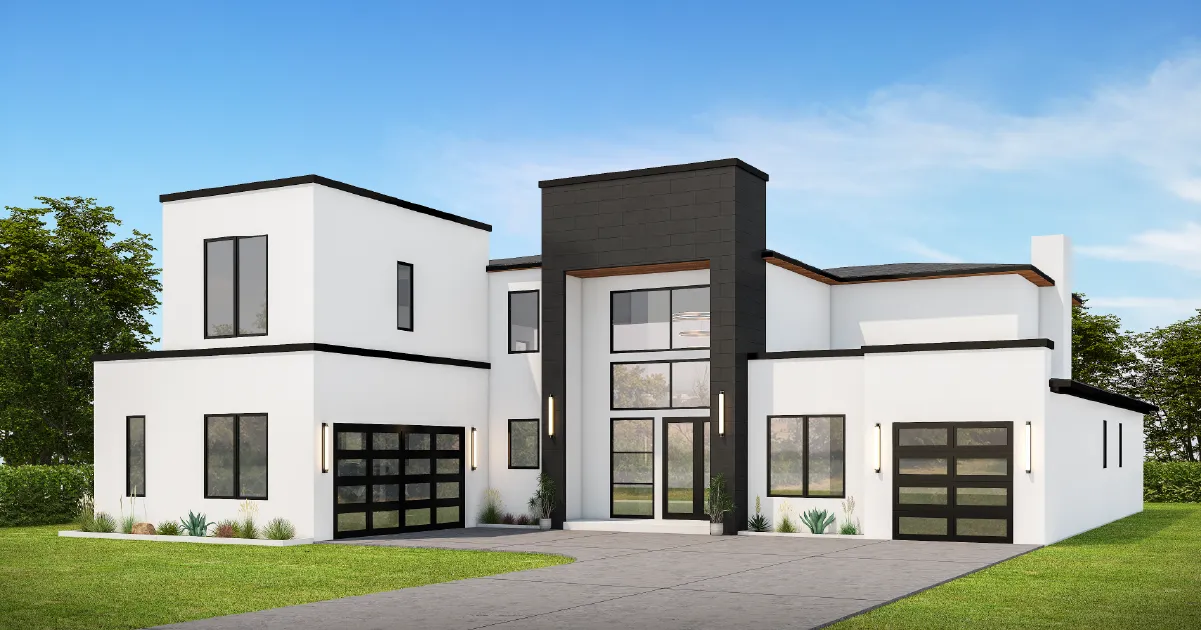
    We’re beyond excited to bring Sarovar to Frisco, Texas! 

    At MSR Communities, we’ve always believed a home should be so much more than just walls and a roof. That’s why we’re proud to introduce Sarovar—Frisco’s first community where you can fully customize your single-family home from the ground up, all within one of the area’s most welcoming neighborhoods.

    We’re not just another builder; for years, we’ve earned the trust of homeowners across the country with our commitment to superior craftsmanship, innovative design, and a dedication to making our customers happy. With Sarovar, we’re bringing that same passion and expertise to Texas, and we’re raising the standard for what a dream home can be. 
     
    Every homeownership story starts somewhere—maybe with a rental or a townhome—but Sarovar is where your story becomes extraordinary. It’s not just a single-family home in Texas or Dallas; it’s a place where your ideas, style, and dreams come together to create a home that’s truly yours. 
     
    With Sarovar, you’re not choosing from a list of floor plans—you’re building a lifestyle. We’ve brought together luxury, flexibility, and superior quality so you can turn your imagination into the home you’ve always wanted.

    Sarovar: Choose from 3 Plans, or Create Your Own

    These homes, which have floor plans starting at more than 5,000 square feet and offer incredible value for the price. We can say that Sarovar homes are the epitome of luxury single-family homes in Texas: Roomy, contemporary, and adaptable enough to meet the needs of families. Here’s a quick look at three floor plan options and the customization choices available—just a taste of what Sarovar has to offer. 

    1. Floor Plan for Thalia 

    • 5,052 square feet in size. 
    • 5 bedrooms and 5.5 bathrooms.
    • 4-car garage
    • Depth of Backyard: 9,400+  

    For homebuyers who desire both style and functionality, Thalia is ideal. With five bedrooms and five and a half bathrooms, everyone has their own space, while the expansive living areas bring the family together. With so much parking and storage space, the 4-car garage is particularly helpful for families with multiple generations. It’s easy to throw parties or just spend time outside in its spacious backyard.

    2. Floor Plan for Lotus 

    • 5,055 square feet in size. 
    • 5 bedrooms and 5.5 bathrooms.
    • 3-car garage  

    Lotus emphasizes flow and balance. Private bedrooms provide privacy when needed, and the open-concept kitchen, dining, and living areas are perfect for entertaining. Its three-car garage offers convenience without sacrificing living space. This arrangement fosters a cozy, intimate, and personal atmosphere for younger families.

     3. Floor Plan for Azolla  

    • 5,211 square feet in size. 
    • 5 bedrooms and 5.5 bathrooms.
    • 3-car garage  

    With 5,200+ square feet, Azolla is the most spacious of the three. For people who enjoy holiday gatherings or need additional space for extended family, this plan is perfect. Its open and airy spaces facilitate easy gatherings, and the well-thought-out bedroom placement provides everyone with comfort and privacy. As families develop and time evolves, Azolla adjusts flawlessly.  

     4. Our Craftsmanship, Your Vision

    The ability to create a home that is exclusively yours is what really makes Sarovar stand out. The same premium space and ideal Frisco location will be yours, but you’ll have more room to develop your ideas. Our team of experts is prepared to take your idea and apply our well-known craftsmanship to create the house of your dreams, one that truly reflects who you are.

    The Reasons Sarovar Is Unique

    • With every aspect of your home at your fingertips to customize, from structural design to interior finishes to exterior materials, every surface and space is a canvas for your personal style.  
    • We’ve carefully selected a number of elegant features that combine modern design with comfortable daily use.
    • Each part, from striking sleek elevations that draw attention from the street to cozy, welcoming living areas ideal for hosting friends and family, has been carefully designed.
    • Enter a chef-inspired kitchen featuring a large island and high-end finishes, along with a discrete prep kitchen for easy entertaining and daily convenience.
    • A grand entryway is provided by a two-story foyer, and a special media room provides the ideal setting for game-day parties or movie evenings. 

    These are not merely features; they are a component of a way of life intended to elevate each day.

    Other benefits of buying a home at Sarovar: 

    • For Long-Term Value: The Frisco real estate market continues to see steady growth, making homeownership here a solid choice for those thinking about long-term value. With Sarovar, you’re choosing a home designed with care, built to last, and ready to support your goals now and down the road. 
    • Room to Breathe: Floor plans start at over 5,000 sq. ft. so your family (and your dreams) have plenty of space.
    • Home Features Curated Just for You: Each property at Sarovar was created with modern amenities and everyday living in mind.  

    Frisco: A Fantastic Place to Live

    One of the most sought-after neighborhoods in the Dallas-Fort Worth metroplex is Frisco. The city has experienced rapid growth while retaining a strong sense of community. It’s no surprise that so many families looking for single-family homes in Texas start their search here because of the area’s stellar schools, booming job market, and exciting amenities.

    • Great Schools for Families with kids– Living here means admitting your kids to top-rated Frisco ISD schools, including nearby Scoggins Middle and Independence High.  
    • For Professionals – With easy access to Sam Rayburn Tollway and Dallas North Tollway, getting to work or heading into the city is a time-saver.
    • For Seniors: Green spaces like Harold Bacchus Community Park and Frisco Commons Park offers walking trails and fresh air to help seniors stay active and healthy.
      When it comes to fun, Frisco has many options. You can look forward to the new Universal Kids Resort or tee off at the PGA of America Frisco Headquarters. Plus, the future Grand Park Frisco will be a massive 1,000-acre playground right in your backyard, with trails, gardens, a lake, and a splash pad.
    • Sports, Shopping & Entertainment: Catch the excitement at The Star in Frisco, home of the Dallas Cowboys Headquarters, or enjoy a day of retail therapy at Stonebriar Mall followed by a night out at The Star District’s premier dining spots. Frisco Square and its charming local events add even more small-town warmth to a growing city.
    • Effortless Travel Across DFW: Via Dallas North Tollway and highways 289 and 399, you’ll have quick, easy access to the rest of the Metroplex—whether it’s work, a weekend getaway, or catching a flight.

    Living at Sarovar means—you’re stepping into the very best of Frisco living. Schools, shopping, dining, sports, and entertainment are all just minutes away, while your customizable Sarovar home gives you the privacy, comfort, and style you’ve always imagined.

    Learn about Sarovar

    Sarovar is an opportunity to take the next step in your home search—whether you’ve been exploring new single-family homes in Frisco or comparing options across Texas. This community is designed for more than just living and investment—it’s about creating a space that feels truly your own. With generous layouts, contemporary designs, and the ability to personalize details from floor plans to finishes, Sarovar gives you both the room you need and the freedom to shape every corner to match your vision.

    To find out how your dream of a Frisco home can come true, stop by MSR Communities 

    Final thought:

    Constructed by MSR Communities, a reputable and caring organization. Sarovar offers a hard-to-miss combination of well-considered design and prime location when looking at homes for sale in Texas.

    Every floor plan is thoughtfully planned, every finish reflects lasting quality, and every detail shows the kind of craftsmanship that turns a vision into reality. Here, you’re not just choosing a home—you’re adding each element of your choice to create a space that’s truly yours.

    Don’t let your dream home remain a “one day” wish. Make it a “today” reality. Explore Sarovar, discover the difference of MSR Communities, and take the first step toward the home you’ve been waiting for. https://web-communities-wordpress-uat.azurewebsites.net/communities/

    Schedule your tour today. 

  • Types of Loans for Homes: Mortgage Options Explained

    Types of Loans for Homes: Mortgage Options Explained

    Becoming a homeowner is a thrilling and fulfilling journey that involves numerous questions and, most importantly, financing through a mortgage.

    You just visited an open house, and you’ve got your eye on a brand-new single-family home with plenty of yard space, a sleek townhome with low-maintenance living, or a pre-sale property. Whether you’re dreaming of building a fully custom home from the ground up or simply choosing a few cabinet colors and finishes, understanding your mortgage options is a big part of making that dream a reality.

    In this guide, we’ll walk you through the different types of home mortgage loans, what typical rates look like, FHA mortgage requirements, and the financing options that work best for new construction homes. We’ll also cover what to consider for single-family homes, townhomes, and pre-sale builds—so you can move forward with confidence.

    What Are Mortgage Loans?

    At its core, a mortgage loan is just the money you borrow to buy a home—but it’s also your ticket to owning a piece of property. Each payment has two main parts:

    • Principal: The amount goes toward paying down the amount you actually borrowed.
    • Interest: The extra cost you’re paying for the privilege of borrowing that money.

    In many cases, your payment might also roll in property taxes, homeowner’s insurance, and even HOA dues if your neighborhood has a homeowners association.

    And here’s the thing: there isn’t a one-size-fits-all mortgage. There are several different types out there, each with its own pros, cons, and rules about who can qualify. The right choice really depends on your finances, your credit score, and the kind of home you’re hoping to buy.

    Types of Home Mortgage Loans

    The US housing market offers a wide variety of mortgage options. Each type of loan is designed for a specific buyer, type of property, and financial situation. Here’s one of the most common ones:

    Conventional mortgages

    Are the classic choice—loans that aren’t backed by the federal government like FHA, VA, or USDA loans are.

    • Down Payment: Generally, you will require a down payment of at least 5% to 20%, depending on your lender and credit score.
    • Credit Requirements: Most lenders consider a credit score of 620 or above to be good to excellent, and the higher your score.
    • Mortgage Insurance: If you are unable to make a 20% down payment, you will typically need private mortgage insurance (PMI) until you have enough equity.

    These loans are a great fit for buyers with good credit who want flexible loan terms and the potential for lower costs over the course of the mortgage are preferred by the homebuyer for newly built single-family homes and townhomes.

    FHA Loans

    FHA loans—insured by the Federal Housing Administration—for first-time buyers or anyone whose credit score needs improvement.

    • Down Payment: As low as 3.5% if your score is 580+, and in the range of 500–579 need 10% down.
    • Credit Requirements: More forgiving than conventional loans.
    • Mortgage Insurance: For the minimal down payment, pay an upfront fee and annual premiums (MIP), often for the life of the loan.

    When considering a newly built townhome or a single-family home, you’ll want to make sure the builder and development comply with FHA standards if you plan to use an FHA mortgage.

    VA Loans

    If you’re a veteran, active-duty service member, or an eligible surviving spouse, VA loans can be a game-changer.

    • Down Payment: $0 down in most cases.
    • Mortgage Insurance: No PMI, though there’s usually a one-time funding fee.

    Qualified military members looking to buy new construction homes or townhomes without draining their savings.

    USDA Loans

    USDA loans are designed for people buying in rural or semi-rural areas—and you’d be surprised how many places qualify.

    • Down Payment: Often none required.
    • Income Limits: You’ll need to stay under certain income caps based on your county.

    Buyers of single-family homes in qualifying areas who want low- or no-down-payment options.

    Jumbo Loans

    Shopping for a high-priced property or a luxury build? You’ll likely need a jumbo loan—any mortgage that’s bigger than the limits set by Fannie Mae and Freddie Mac in your area.

    • Down Payment: 10%–20% or more.
    • Credit Score: Ensure excellent credit and a solid debt-to-income ratio.

    These loans are ideal if you’re purchasing a spacious single-family home, a customizable home from the ground up, or buying in an expensive market where standard mortgage limits aren’t enough.

    Mortgages for new home construction and construction loans

    The financing process is a little different if you’re purchasing a home that is still under construction or intend to build your own.

    • Short-Term Setup: You will typically only be required to make interest-only payments while construction is underway. The loan becomes a regular long-term mortgage after the house is move-in-ready.
    • Draw Schedule: As specific construction milestones are reached and examined, lenders release funds in phases, or “draws”
    • Rates and Fees: During the construction phase, anticipate somewhat higher interest rates or additional fees.

    This kind of mortgage is especially crucial if you’re buying a custom-built single-family home or a newly constructed townhouse. Lenders will want to make sure all inspections pass and verify the builder’s legitimacy.

    Adjustable-Rate vs. Fixed-Rate Mortgages

    The way your interest rate is structured can make a big difference.

    • Fixed-Rate Mortgage: Your interest rate never changes for the life of the loan (commonly 15, 20, or 30 years), giving you predictable monthly payments.
    • Adjustable-Rate Mortgage (ARM): Your rate is fixed for an initial period—like 5, 7, or 10 years—then adjusts periodically.

    Ensure how long you plan to stay in the home, your comfort with risk, and where you think interest rates are headed.

    Primary check-ins for Home Mortgage Loan

    • Safety & Habitability: Ensure home is built with minimum property standards (roof, structure, plumbing, heating, electrical systems).
    • Inspection / Appraisal: An FHA appraisal is required with home inspection. The appraiser looks at both value and condition.
    • Flood Zone Requirements: If the house is in a flood zone, you might need flood insurance and proper mitigation.
    • Size & Use: Some FHA ask the home to be your primary residence (not a vacation home or investment rental).
    • Property Type: Condominiums, newly built construction, townhomes can be eligible, but the development must itself meet FHA standards (the whole condo project might need approval).

    Mortgage Considerations: Townhomes vs. Single-Family Homes

    Newly Built Townhomes

    • Builder Incentives: Sometimes builders offer best deal like financial incentives—closing cost assistance, rate buydowns, etc.
    • Homeowner Association (HOA) Fees: Townhomes often have HOA dues; lenders will include HOA fees when calculating your debt-to-income (DTI).
    • Warranty / Builder’s Guarantee: Structural warranties of new construction homes might impact insurance costs and appraisals.

    Single Family Homes

    • Lot/land considerations: If land is being subdivided or developed, there may be additional inspection or zoning hurdles.
    • Construction to permanent loans: If building a single family home, a construction loan that converts to a mortgage may make sense.
    • Resale value: Homes in desirable neighborhoods might hold value better, but also come with higher loan amounts and possibly different qualification standards.

    FAQ’S For the Mortgage Selection

    With so many mortgage options available, deciding which is best pick can feel overwhelming. Here are some key questions and tips:

    • What’s your budget?

    Check for the affordability for each month—not just for the mortgage payment, also include property taxes, insurance, maintenance, and other homeownership costs.

    • Do you live for a shorter time?

    An ARM or lower down payment loan may make sense.

    • What is your credit score and financial profile?

    If you have excellent credit and a large down payment, a conventional mortgage may be affordable; if you have lower credit or smaller down payment, FHA or VA may help.

    • Are you buying in an area with high land or lot costs or in rural areas?

    Some loans are better suited to those conditions (e.g., USDA, jumbo).

    • Are you buying a newly built property or under construction?

    If yes, you may need specialized new home construction mortgages.

    • What are the home mortgage loan rates available to you currently?

    Shop around, compare APRs, and get preapproval.

    First-time buyer programs, tax incentives, or state/local grants in your area determine costs or down payments.

    Whether you need a new home construction mortgage, want to explore FHA mortgage house requirements, or are comparing home mortgage loan rates, MSR Communities can help connect you with trusted lenders.

    Final thought:

    Choosing the right home mortgage can feel tricky at first—getting prepared smartly makes all the difference. When you know how each loan type works, you can confidently pick the one that fits your finances, your long-term goals, and new construction home you’re dreaming about—whether that’s a single-family house, a brand-new townhome, or a custom build through a construction loan.

    If you’re ready to take the next step toward homeownership, take care of your credit, assess your budget, and speak with a trusted lender or mortgage advisor. A little preparation now can help you secure the best loan and make your path to owning your dream home much smoother.

    Explore MSR Communities’ new construction homes for sale to see which townhome or single-family home aligns with your budget, preferred style, and loan eligibility.

    Check the floor plan and find homes that meet your goals.

    Disclaimer:This blog is for informational purposes only and does not constitute financial, legal, or mortgage advice. Loan terms, eligibility requirements, rates, and regulations may vary by lender, state, and individual circumstances. Always consult a licensed mortgage professional, financial advisor, or attorney before making any real estate or financing decisions.

  • 5 Steps to Expect During the Mortgage Process: A Homebuyer’s Guide

    5 Steps to Expect During the Mortgage Process: A Homebuyer’s Guide

    One of the most important decisions in life is purchasing a home. Understanding the mortgage lending process is the first step towards becoming a homeowner, regardless of your preferences for a stylish new townhome in a lively neighbourhood or a quaint single-family home with a backyard for weekend cookouts.

    You’re not the only one who feels a little overwhelmed. When you break down the mortgage process, it becomes much easier to handle, even though it may initially appear complicated. In this guide, we’ll walk you through the mortgage loan process step-by-step, share what documents you’ll need, and answer the all-important question: how long does getting a mortgage take?

    Let’s dive into the five key steps you can expect.

    Step 1: Get Pre-Approved – Know What You Can Afford

    It’s wise to get pre-approved for a mortgage before you begin looking through listings or going to open houses. The amount that you (and sellers) can borrow is indicated by this financial green light.

    What’s at Play?

    A few important documents will be requested by your lender:

    • Current tax returns and pay stubs
    • Bank statements
    • Employment information
    • Credit history

    They will evaluate your financial situation and establish your borrowing limit using this information. It helps you shop within your budget and prevents heartache later, so think of it as a reality check.

    Why It Matters

    A pre-approval letter makes you a more attractive buyer. Sellers know you’re serious, and you’ll have a clearer idea of what price range to stick to—whether you’re browsing newly built townhomes or single family homes.

    How Long Does It Take?

    If your paperwork is in order, pre-approval can be done in a day or two. Some lenders even offer same-day decisions.

    Step 2: Search for Your Ideal Home

    The exciting part is about to begin: locating a place to call home. This is the point at which your dreams come true.

    Advice for an Astute Search
    • Collaborate with a knowledgeable local real estate agent.
    • Look beyond the house; take into account commute times, schools, and local atmosphere.
    • Have an open mind. The ideal house isn’t always what you had in mind.

    Take your time, regardless of whether you prefer the seclusion of single-family homes or the contemporary designs of recently constructed townhomes. This is a significant choice.

    Once You Find “The One”

    You’ll make an offer, and if it’s accepted, you’ll sign a purchase agreement. That’s your cue to move on to the next step in the mortgage loan process step-by-step.

    Step 3: Submit Your Mortgage Application and Officialize It

    You must still submit an official loan application even if you have been pre-approved. This step is more involved and involves some paperwork.

    Documents Required to Apply for a Home Loan

    This is a brief checklist:

    • Identification issued by the government
    • Documentation of income (W-2s, pay stubs)
    • The signed purchase agreement
    • Bank and investment statements
    • Information about any debts (credit cards, loans)

    Depending on your financial circumstances, your lender will walk you through your options, which may include conventional loans, FHA, VA, or USDA.

    How Much Time Does It Take to Get a Mortgage?

    The process typically takes 30 to 45 days from application to closing. However, if everything goes according to plan and you answer requests right away, it could be faster.

    Step 4: Behind-the-Scenes Work: Processing & Underwriting

    Despite being largely invisible, this step in the mortgage lending process is very important. Now, your lender is confirming all of your information and determining whether the property is a wise investment.

    What Takes Place Here?
    • A title search guarantees that there are no legal problems with ownership;
    Common Delays
    • Missing documents
    • Big unexplained bank deposits
    • Job changes
    • Credit hiccups
    Duration?

    This step should take one to three weeks. It can go more quickly if you remain responsive and organised.

    Step 5: Closing: You’re Nearing Your Goal!

    You’ve succeeded! The last phase of the mortgage loan procedure is closing, which is also the point at which everything is formally finalised.

    What Takes Place During Closing?
    • A number of documents, including disclosures and loan agreements, will be signed by you.
    • Closing costs, which typically range from 2 to 5% of the home’s price, are your responsibility.
    • The keys to your new house will be given to you!
    Items to Bring:
    • Proof of homeowner’s insurance
    • A valid photo ID
    • A wire transfer or cashier’s check for closing expenses
    Last Word of Advice

    To avoid any surprises, go over your closing disclosure in advance. Additionally, don’t be scared to ask questions—this is your chance!

    After Closing: What’s Next?

    Congratulations, homeowner! Whether you’ve moved into a stylish newly built townhome or a cozy single family home, take a moment to celebrate.

    Post-Closing Checklist
    • Set up your mortgage payments (auto-pay is a great idea)
    • Store your closing documents safely.
    • Update your address with banks, employers, and subscriptions.
    • Consider a home warranty for peace of mind.

    Concluding remarks

    Purchasing a home is a journey, and you can travel that path with confidence if you comprehend the mortgage loan procedure step-by-step. Every phase, from pre-approval to closing, is essential to safeguarding your future.

    Being proactive during the mortgage lending process, being aware of the paperwork required for a home loan, and knowing how long it takes to obtain a mortgage can make all the difference.

    Take it one step at a time, regardless of how far along you are in your house search. You’re closer than you think to your ideal home.

  • Single-Family Homes: Are They a Good Investment? 

    Single-Family Homes: Are They a Good Investment? 

    If you’ve been thinking about getting into real estate, you’ve probably heard of the idea of buying a house as an investment. It’s one of the most common and, some would say, safest ways for people to start making money through real estate. 
    But with the market changing, more people wanting to buy new single-family homes near me, and so many listings for single-family homes for sale, you might be wondering if now is a good time to buy a single-family home. And more importantly, does it really pay off? 

    Let’s break it all down. 

    So, What’s a Single-Family Home Anyway? 

    A single-family home is a standalone house designed for one family (no shared walls, no upstairs neighbors stomping around at 2 AM). Think suburban houses with a driveway, a backyard, and a bit more breathing room. 

    This setup makes them especially attractive for renters who want privacy, space, and a place that feels like home—which is one reason single family home investing continues to grow in popularity. 

    Why Do People Like Investing in Single-Family Homes? 

    1. They’re simpler to purchase and oversee. 

    Single-family homes are typically simpler to finance and maintain than duplexes or apartment buildings. There is a lot less complexity because you are only managing one tenant and one unit. For new investors in particular, that is a huge plus. 

    2. Individuals Desire to Call Them Home 

    Renting a home is frequently preferred over renting an apartment by families, young professionals, and even retirees. They typically receive a yard or additional storage space, and it’s more tranquil. Demand like this results in fewer openings and higher long-term profits. 

    3. They Gain Appreciation Over Time 

    Location matters, of course—but single family homes in growing neighborhoods tend to go up in value over time. So, you’re not just earning rent—you’re also building equity as the home appreciates. 

    What About New Homes? Are They Worth the Extra Cost? 

    A lot of investors today are leaning toward investing in new construction homes. And honestly, it makes sense. New single family homes come with the latest features—think energy-efficient appliances, better insulation, and modern layouts that renters love. 

    They also mean fewer repairs for you as the owner, especially in the first few years. That peace of mind is worth a lot. If you’ve found yourself Googling “new construction single family homes near me,” you’re definitely not alone. It’s a smart move to look into newly built homes in up-and-coming areas. 

    What You Should Know Before You Buy 

    Even though single family home investing is generally considered less risky than other property types, it still requires careful planning. Here are a few things to keep in mind: 

    • One Tenant = One Income 
      If your tenant moves out, you’re covering the mortgage until someone new moves in. That’s a bigger risk compared to owning a multi-unit property where other renters can cover the gap. 
    • You’re in Charge of Maintenance 
      Landscaping, plumbing, roof leaks—you’ll need to stay on top of it. New homes help reduce this burden, but it’s something to factor into your budget. 
    • Location Is Everything 
      Even the most beautiful home won’t rent (or sell) well if it’s in a bad area. Research school districts, commute times, safety ratings, and local amenities before committing. 

    Is Buying a Single-Family Home for Investment Worth It? 

    For many people, the answer is yes—especially if you’re looking for a relatively low-risk entry into real estate. With the right property in a good neighborhood, buying a single family home for investment can generate steady rental income while the property gains value over time. 

    And if you’re eyeing new construction single family homes, the reduced maintenance and higher rent potential can make the slightly higher purchase price well worth it.

    Final Thoughts 

    There will always be a need for single-family homes for sale, particularly in expanding suburbs and cities. This kind of real estate offers flexibility, less management stress, and excellent long-term potential, whether you’re investing in a fixer-upper or a brand-new single-family home with all the bells and whistles. 

    Investing in single-family homes may be the ideal opportunity for you if you’re new to real estate or want to add something reliable to your portfolio. 

    ________________________________________ 

    Are you considering moving forward? Investigate neighborhoods, start looking through local listings, and do the math. Your first significant step towards financial independence may be purchasing the ideal single-family home