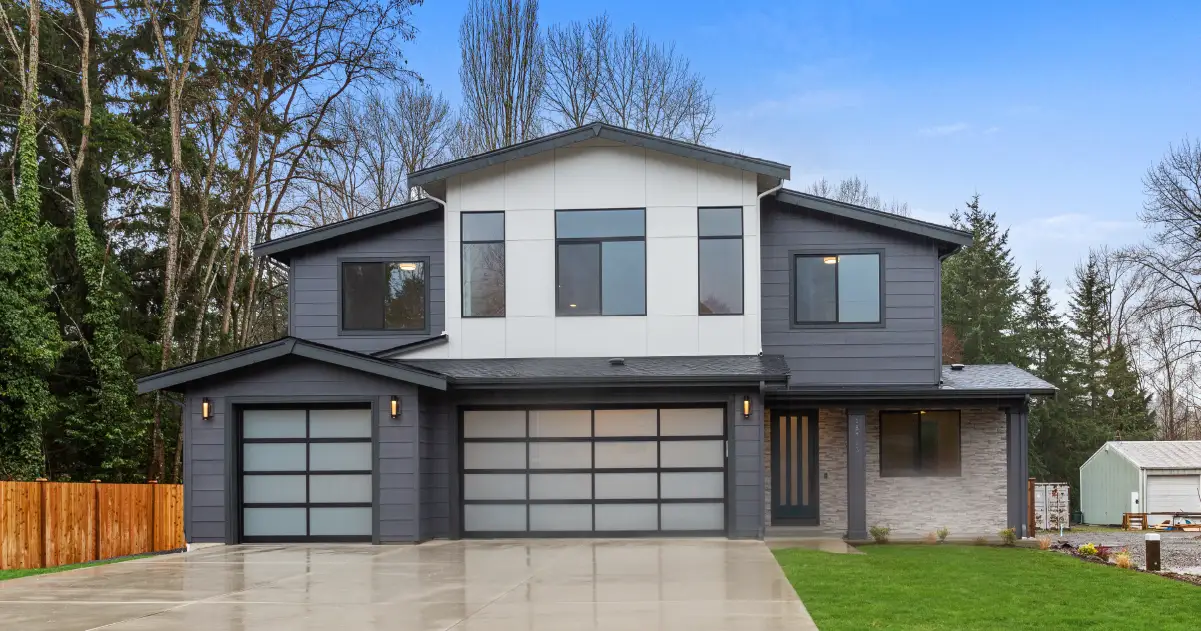
Tag: single family homes for sale

  • Decoding the Down Payment: How Much Do You Really Need to Buy a House?  

    Decoding the Down Payment: How Much Do You Really Need to Buy a House?  

    Many times, the single question that drives homeowners’ dream is “How much down payment do I need?” Though it can be intimidating, knowing your alternatives will help you to realize your dream. Let’s disentangle the down payment conundrum.  
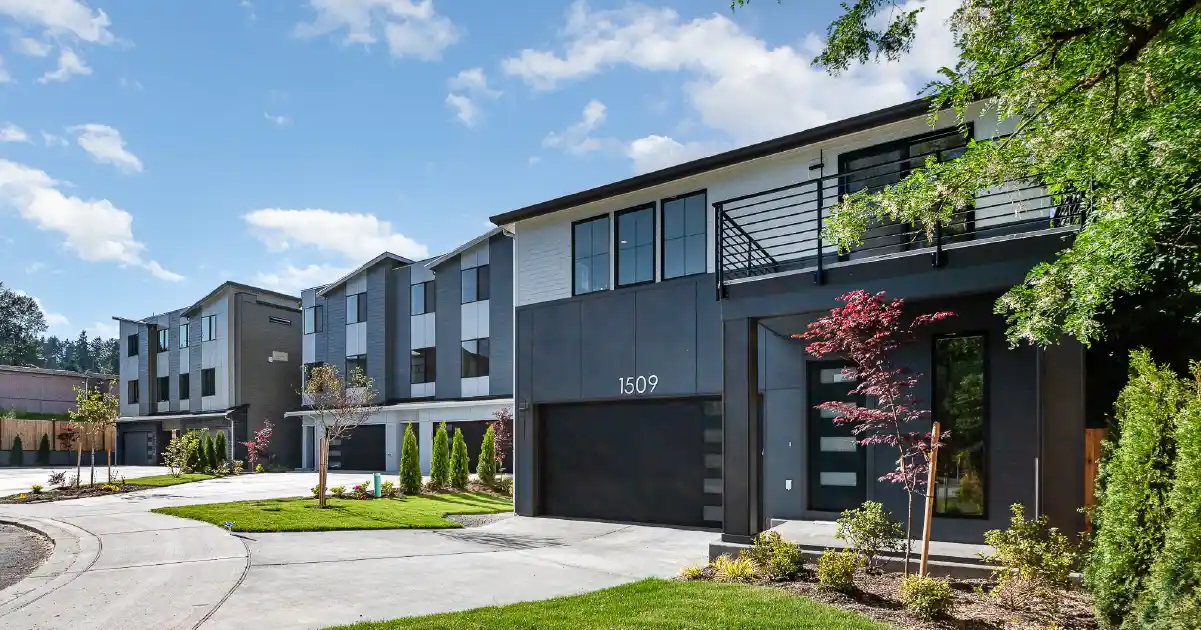
    The Down Payment Landscape: Zero to Significant  

    A big 20% down payment can be frightening. Actually, though, the “right” down payment ranges greatly.  

     • Average Down Payment for a House:   

    Nationwide, loan types and market circumstances affect the average house down payment. It’s not always 20%.  

     • Typical House Down Payment for First Time Buyers:   

    Usually, first-time buyers down less than the norm. Loan choices and programs address especially them. Usually, the down payment on a house for first-time buyers is far less than the overall average.  

     • Lowest Down Payment for a House:   

    For conventional loans, the minimum down payment for a house can be as low as 3%; for FHA loans, it is just 3.5%. For qualified veterans, VA loans have the opportunity of zero down.  

    The Zero Down Payment Myth (and Reality)  

     • Can one purchase a house without any down payment?   

    Indeed, it is feasible mainly through VA loans for veterans and some USDA loans in rural regions.  

     • How to buy a house without a down payment or no down payment home mortgage?   

    The most usually used paths are VA loans and USDA loans. These loans do, however, have particular eligibility conditions.  

    Generally speaking, no down payment home mortgage options are less popular.  

     • Small Down Payment Homes Loans:   

    Small down payment home loans made possible by FHA loans and conventional loans with programs like HomeReadyTM and Home Possible® let you  

    Often to safeguard the lender, these loans call for private mortgage insurance (PMI).  

    Determine your down payment by:  

     • Down Payment House: Figure Out   

    First, decide on your budget to then ascertain down payment house. Think over your income, savings, and monthly spending. To project your possible monthly payments depending on varying down payment levels, use online mortgage calculators. Consider closing expenses, which are apart from the down payment.  

    Variables influencing the down payment:  

     • Down payment requirements for FHA, VA, USDA, conventional loans vary.  

     • Higher credit scores will let you qualify for better interest rates and reduced down payment choices.  

     • Certain property types may call for a bigger down payment, depending on the lender.  

     • Individual lenders could have their own particular down payment requirements.  

    Finding Your Ideal House:  

     • For Sale: Single Family Homes; Newly Designed Townhouses  – 

    Understanding your down payment alternatives is the first step whether your search is for townhouses or single-family homes for sale.  

    Important Learnings:  

     • Not always necessary is a 20% down payment.  

     • Many loan programs provide either low or no down payment choices.  

     • Important are careful planning and budgeting.  

     • To find your best choices, see a mortgage lender.  

    Release yourself from the down payment myth. Your aspirations of homeownership can come true with hard study and preparation. Deciphering the Down Payment: Just How Much Do You Actually Need to Purchase a House?  

    Many times, the single question that drives homeowners’ dream is “How much down payment do I need?” Though it can be intimidating, knowing your alternatives will help you to realize your dream. Let’s disentangle the down payment conundrum. 

  • Why Are Homes at Shelton Grove in Bothell a Smart Move for Modern Living?

    Why Are Homes at Shelton Grove in Bothell a Smart Move for Modern Living?

    When you think about your “dream home,” chances are you picture something classic—a cozy front porch, a little backyard, and enough space to spread out. But let’s be honest: life looks a little different these days. Families are busier, remote work is more common, and affordability matters more than ever. That’s why more buyers are rethinking what a home should look like—and finding new, smarter options like paired homes.  

    Welcome to Shelton Grove

    These newly built homes for sale by MSR Communities, nestled in picturesque Bothell, Washington, offer a luxurious retreat on a quiet dead-end street—providing the ultimate new construction of 8 paired luxury homes and 1 luxury single-family home. These homes are spacious, modern, thoughtfully designed, and built for real life. 
    If you’ve been searching for new construction homes in Bothell or exploring new construction near Seattle, this community just might be the place that you are looking for.

    Shelton Grove: 3-Story Paired Homes Feel  Like Full-Size Homes 

    Although these look like townhomes, the paired homes at Shelton Grove are roomy—some offering over 3,000 square feet of thoughtfully designed space. With intentional layouts that support everything from working remotely to hosting gatherings or simply unwinding with loved ones, these 3-story homes feel full-sized in every way. The warm, modern design creates a welcoming vibe that’s perfect for families and professionals alike. 

    Standout Features: 

    • Sleek and modern finishes 
    • Private outdoor spaces—decks and patios 
    • Attached two-car garages with direct entry 
    • Dedicated flex rooms (think home office, media room etc) 
    • Quality heating and cooling systems 

    The layout of each home is crafted for everyday comfort. Bedrooms are set away from high-traffic areas for added privacy, kitchens are designed to bring people together, and rec rooms give everyone their own space to unwind. You’ll love all the room you have to spread out and settle in a paired home at Shelton Grove 

    Why Choose Bothell? 

    Bothell continues to draw attention—and for good reason. It strikes a sweet balance between small-town charm and urban convenience, making it a top pick for young professionals, growing families, and folks looking to settle somewhere with great value.  

    Here’s why Bothell stands out: 

    1. Prime Location: Just 30 minutes from Bellevue, Redmond, and Seattle, with easy access to I-405 and Highway 522. Great for commuting, but far enough away to feel relaxed. 
    1. Top-Rated Schools: Part of the highly respected Northshore School District, making it a great choice for families thinking long-term. 
    1. Outdoor Living: With parks, trails, and the scenic Sammamish River nearby, it’s easy to get outside and enjoy everything the Pacific Northwest has to offer. 
    1. Community Vibe: Bothell’s walkable downtown is filled with great local coffee shops, restaurants, bars, and seasonal events. 
    1. Value appreciation for Your Dollar: As the area continues to grow and demand rises, homes at Shelton Grove are poised to increase in value. It’s a smart, forward-thinking investment that’s built to grow with you. 

    Designed for the Way You Actually Live 

    MSR Communities designed Shelton Grove with real people in mind—people who need space to work, relax, gather, and grow. These aren’t cookie-cutter homes; they’re flexible, beautifully built, and ready for whatever stage of life you’re in. 

    What Makes These Paired Homes Special: 

    • Quiet, low-traffic streets in a cul-de-sac setting 
    • Contemporary curb appeal that rivals single-family homes 
    • Private patio and deck for outdoor time 
    • Access to trails, parks, and downtown Bothell 
    • Located in a high-performing school district 

    It’s a community that gives you the best of both worlds—connection and privacy, style and ease. 

    Floor Plans That Work for Real Life 

    Shelton Grove offers three thoughtfully designed floor plans that reflect how modern families, professionals, and couples actually use their space. 

    Plan 2478 – Spacious & Adaptable 

    (Lots 4 & 5 – Paired-home style) 

    Perfect for families or remote workers who want space to spread out. 
    Highlights: 4 bedrooms, 3.25 baths, 2,478 sq ft 

    • Lower Level: Rec room, private bedroom & bath—ideal for guests or a home office 
    • Main Level: Open kitchen/dining/living area, plus deck and home office 
    • Upper Level: Primary suite with 5-piece spa-like bath, two more bedrooms, and laundry 

    This plan is great for multitaskers who need both open space and quiet corners. 

    Plan 2352 – Functional & Efficient 

    (Lots 2 & 3 – Paired-home style) 

    Smartly sized for simpler upkeep without sacrificing comfort. 
    Highlights: 4 bedrooms, 3.25 baths, 2,352 sq ft 

    • Lower Level: Garage access, private bedroom and bath, plus rec room 
    • Main Level: Big kitchen with pantry, open living space, private office 
    • Upper Level: Primary suite with 5-piece spa-like bath, two more bedrooms, and laundry 

    Ideal for folks who want comfort without excess—and flexibility built in. 

    Plan 3026—The Ultimate Single-Family home in Bothell 

    (Lot 1 – Single-family home for sale) 

    Are you looking for space for all family members? This one’s for you. 
    Highlights: 5 bedrooms, 3.75 baths, 3,026 sq ft 

    • Main Level: Open great room, chef’s kitchen, formal dining, guest suite, outdoor patio 
    • Upper Level: Four more bedrooms including primary suite, 3 baths, bonus room, deck, and laundry 

    This plan is ideal for larger families, multigenerational living, or anyone who just wants space to breathe. 

    Paired homes for sale in Shelton Grove are not only stylish and functional, but they’re also good investments due to their excellent location.  

    Homes That Adapt, Perform, and Appreciate  

    • Built for Practical Living 

    Shelton Grove homes prioritize everyday efficiency in their design. Thoughtful construction choices that incorporate elements to fill the home with natural light help reduce energy use and keep utility costs manageable. Built with durable materials that hold up beautifully over time, these homes offer a comfortable, low-maintenance lifestyle. It’s a smart combination of practical living and lasting value that fits the way people live today. 

    • Layouts That Are Ready for the Future 

    These paired homes encourage a vibrant yet peaceful neighborhood environment. By developing homes on a cul-de-sac, the development prioritizes safety and encourages residents to interact with one another. This layout naturally promotes neighborly interactions while ensuring a secure space for children to play. Whether it’s casual gatherings or festive celebrations, Shelton Grove’s layout enhances the feeling of belonging while respecting the privacy of each family. 

    • Confidence That Lasts 

    When you become a part of Shelton Grove, you’re not just getting a beautiful home—you’re joining a neighborhood that feels grounded and lasting. This quiet cul-de-sac community brings a sense of connection and peace of mind that you don’t always find these days. With top-tier schools just minutes away, a true small-town vibe, and a layout that encourages both privacy and neighborly connection, you’ll feel good knowing you’re in a place where people put down roots. Whether you’re planning to stay long-term or thinking about the future, owning here gives you the kind of confidence that comes from being part of something truly special. This is a place you can feel proud to call home. 

    Final Take: Shelton Grove Redefines Common Wall Living 

    At Shelton Grove, you don’t have to compromise. You can have the space, design, and comfort of a traditional home—with all the advantages of low-maintenance, modern living. From premium finishes to smart layouts, these new construction homes are built to support real life—not just look good in pictures. 

    Ready to Take the Next Step? 

    Here’s how to explore Shelton Grove: 

    1. Visit MSR Communities to view floor plans, pricing, and site details 
    1. Schedule a tour—either in person or virtually 
    1. Attend an open house.  
    1. Check out the neighborhood to see how it feels in real life 
    1. Talk to a lender or agent about move-in timelines and financing options 

    Whether you’re a first-time buyer, upgrading your current space, or making a lifestyle change, Shelton Grove could be your perfect next move. 

    ? Explore Shelton Grove Today 
    Visit MSR Communities to get started. 

  • How to Get a Mortgage When You’re Self-Employed 

    How to Get a Mortgage When You’re Self-Employed 

    Navigating the Mortgage Process as a Self-Employed Individual 

    If you are self-employed, buying a home can seem daunting. The traditional income verification methods used by lenders often don’t align with the fluctuating nature of self-employment income. However, with the right approach and preparation, you can successfully secure a mortgage. 

    Key Considerations for Self-Employed Mortgages 

    Documentation: Lenders will typically require extensive documentation to verify your income. This may include tax returns, bank statements, profit and loss statements, and possibly business licenses. 

    Credit Score: A strong credit score is essential for any mortgage application, regardless of employment status. Pay your bills on time, keep your credit utilization low, and avoid opening unnecessary accounts. 

    Debt-to-Income Ratio: Your debt-to-income ratio, which compares your monthly debt payments to your gross income, is another crucial factor. Lenders will assess your ability to handle additional debt, including a mortgage payment. 

    Down Payment: A larger down payment can improve your chances of approval and may also result in a lower interest rate. 

    Tips for Self-Employed Mortgage Applicants 

    Plan Ahead: Start planning for your mortgage well in advance. Gather all necessary documentation and be prepared to provide detailed information about your income and expenses. 

    Consider a Longer Loan Term: A longer loan term can lower your monthly payments but may also increase the total interest you pay over the life of the loan. 

    Shop Around: Compare offers from different lenders to find the best rates and terms for your specific situation. 

    Work with a Mortgage Broker: A mortgage broker can help you navigate the mortgage process and find lenders that specialize in self-employed borrowers. 

    Communicating with Your Lender 

    Open and honest communication with your lender is crucial. Be prepared to answer questions about your business, income fluctuations, and future plans. The more information you provide, the better equipped your lender will be to assess your eligibility for a mortgage. 

    Additional Considerations 

    Business Structure: The structure of your business (e.g., sole proprietorship, LLC, corporation) may impact your mortgage eligibility. 

    Seasonal Income: If your income fluctuates seasonally, be prepared to provide documentation demonstrating your average earnings over a specific period 

    Buying a New Construction Home as a Self-Employed Individual 

    Dreaming of a brand-new home? Even as a self-employed individual, you can make that dream a reality. With careful planning and the right approach, securing a mortgage for a new construction home is entirely achievable. 

    New construction homes offer several advantages, including: 

    Customization: Design your home to fit your exact needs and preferences. 

    Energy Efficiency: Enjoy the benefits of modern energy-saving features. 

    Lender Partnerships: Many builders partner with lenders who specialize in working with self-employed individuals. 

    To qualify for a mortgage for a new construction home, follow these tips: 

    Document Your Income: Provide detailed financial information, such as tax returns, bank statements, and profit and loss statements. 

    Build a Strong Credit Score: Maintain a good credit history to improve your chances of approval. 

    Consider a Larger Down Payment: A larger down payment can strengthen your application. 

    Work with a Mortgage Lender Experienced in Self-Employed Loans: They can guide you through the process and help you secure the best terms. 

    By taking these steps and working closely with your lender, you can successfully finance your dream home. 

    Additional Tips for Self-Employed Mortgage Applicants 

    Leverage Your Assets 

    Investments: Assets like stocks, bonds, or retirement accounts can be used to qualify for a larger loan amount or a lower interest rate. 

    Property: If you own property, such as rental income-generating properties, this can demonstrate your ability to manage debt and increase your borrowing power. 

    Consider Asset-Based Lending 

    Hard Money Loans: These loans are often based on the value of an asset, such as real estate. They can be a good option for self-employed borrowers with property. 

    Private Lenders: Individuals or small groups may be willing to lend money, often at higher interest rates but with more flexible terms. 

    Explore Government Programs 

    USDA Rural Development Loans: If you live in a rural area, the USDA offers low-interest loans with flexible credit requirements. 

    VA Loans: Veterans and their spouses may be eligible for VA loans with no down payment and competitive interest rates. 

    Build a Strong Relationship with Your Lender 

    Regular Communication: Maintain communication with your lender throughout the mortgage process. Provide any updates or changes in your financial situation. 

    Demonstrate Stability: Highlight any steps you’re taking to stabilize your income, such as diversifying your business or securing long-term contracts. 

    Conclusion 

    Remember, patience and persistence are key. While securing a mortgage as a self-employed individual may present unique challenges, it’s certainly achievable. By understanding the requirements, planning, and effectively communicating with your lender, you can increase your chances of getting approved for a home loan that meets your needs. 

  • Exploring Single-Family Detached Homes: A Quick Guide for Homebuyers

    Exploring Single-Family Detached Homes: A Quick Guide for Homebuyers

    When searching for your dream home, one of the key decisions many families face is whether to choose an attached family home or a detached single-family home . Both attached and detached family homes can offer luxurious living experiences, but the right choice depends on your lifestyle and priorities. There are some key differences to consider: attached homes often provide a more urban and convenient lifestyle with access to shared amenities, while detached homes typically offer greater privacy, outdoor space, and customization opportunities. 

    Now, let’s dive deeper into what attached family homes and detached homes are and how they compare to other housing options. First, let’s explore the differences between them  

    Attached Family Homes vs. Detached Family Homes 

    An attached family home, as the name suggests, shares one or more walls with an adjacent property. In other words, it’s connected to neighboring homes through a common wall. You might hear them referred to as townhomes, duplexes, or row houses, where individual units are linked but maintain separate ownership. 

    Examples include townhomes, row houses, and duplexes. These homes often have less outdoor space and can be in denser neighborhoods. The benefits? They’re generally more affordable, and you’re likely to find them in more urban areas where space is at a premium. However, one of the downsides to an attached family home is that you’re sharing walls with neighbors, which can reduce your level of privacy. 

    Detached family homes offer the ultimate in privacy and independence. Standing on their own lot, these homes provide ample space between neighbors, creating a tranquil environment. Many detached homes in Seattle feature spacious backyards, perfect for relaxing, entertaining, or letting your furry friends roam. Additionally, with no shared walls, you’ll enjoy peace and quiet within the home, ideal for families or those seeking a serene escape.  

    Privacy in attached vs detached homes 

    If privacy is a priority for you, a detached home might be the better option. Unlike attached homes, which come with shared walls and often less private outdoor spaces, single-family detached homes allow for more personal space inside and outside. You have more control over your surroundings—whether it’s designing a garden, installing a fence, or simply enjoying your yard without the proximity of neighbors. 

    While attached family homes can still offer a level of comfort and coziness, it’s often harder to achieve the same level of privacy as you would in a detached home. That extra bit of distance makes all the difference when you want to relax in peace. 

    Single-Family Home Ownership: A Classic Dream 

    Owning a single-family detached home has long been considered the American dream. It provides homeowners with their own piece of property, a place where they can grow a family, build equity, and create memories. 

    Detached homes tend to hold their value better, as they are in higher demand due to their privacy and space. This makes them a strong investment option for those planning to stay long-term or those wanting to pass the property on to future generations. 

    Home Maintenance Costs: What to Expect 

    Owning a detached family home does come with more responsibility when it comes to maintenance. Since there are no shared walls or community services to rely on, you’re responsible for the upkeep of both the interior and exterior of your home. From lawn care to roof repairs, the costs can add up. However, the freedom to customize and care for your home as you see fit is a benefit that many find well worth the investment. 

    Community amenities in attached homes are a significant advantage of owning them. Many attached family homes come with Homeowners Association (HOA) fees, which often include services like landscaping, exterior maintenance, and access to shared amenities. While HOA fees may increase your monthly costs, they can also reduce your personal maintenance workload. Consider the balance between cost and convenience when evaluating attached homes. 

    Community Amenities: What You Get with Attached Family Homes 

    One of the key benefits of attached family homes is access to community amenities. Many townhome communities come equipped with perks such as swimming pools, fitness centers, playgrounds, and community rooms. These features can be attractive to buyers who enjoy a more social or active lifestyle. 

    In contrast, detached family homes are often located in neighborhoods with fewer shared amenities, although this depends largely on the specific area. Some detached home communities do offer parks, walking trails, or even clubhouses, but the variety and availability tend to be more limited compared to attached family homes. 

    Which Home Is Right for You? 

    The decision between an attached family or detached home comes down to your personal lifestyle, budget, and future plans. If privacy and full ownership are your top concerns, a single-family detached home is likely the best choice. On the other hand, if you prioritize convenience, affordability, and access to a built-in community, an attached family home might be a better fit. 

    No matter which path you choose, both attached family homes and detached family homes have their own unique benefits, making them worthwhile investments for your future. Check out some of the top housing options in the Seattle area, built by MSR Communities to find a home that fits your lifestyle.  

    Whether you’re a young professional seeking a modern, open-concept layout, a growing family looking for ample living space and bedrooms, or a downsizing couple desiring a low-maintenance home with convenient features, we have floor plans to match your lifestyle. 

    Explore our blogs for more homeownership tips and discover floor plans tailored to your generation’s needs.