
Tag: townhouses for sale near me

  • Do Townhomes Have HOA Fees? A Complete Guide 

    Do Townhomes Have HOA Fees? A Complete Guide 

    Holding a home comes with different references, especially when exploring various properties. Townhomes, which offer a mix of private homeownership and shared community living, often raise questions regarding Homeowners Association (HOA) fees. This guide will deliver insight into how these fees work and what they generally cover. 

    Are HOA Fees Required for Townhomes?

    In most cases, yes. Townhome communities generally have HOAs, though exceptions exist, particularly in older neighborhoods. However, the presence of an HOA is far more common, as it helps maintain shared spaces and upholds the community’s overall appearance.

    What Do HOA Fees Cover for a Townhouse? 

    HOA fees usually contribute to the following services: 
    • Landscaping of communal spaces 
    • Keeping shared facilities (such as pools, clubhouses, and playgrounds) 
    • Trash collection and snow disposal 
    • Periodically, exterior maintenance of buildings, though this depends on the detailed HOA agreement 

    Unlike condominiums, townhome HOA fees usually do not cover the interior or main exterior structure of an individual unit. Homeowners are generally responsible for those expenses. 

    Do All Townhomes Have an HOA?

    Although it is widespread, not every townhome has an HOA. Some older communities may not have a governing association. However, in most modern developments, an HOA is a standard feature. 

    Townhouse Pricing and HOA Fees

    Location, size, and amenities all affect the price of a townhouse. Similar variations in HOA fees depend on: 

    • Location: Increased cost of living areas can translate into higher raised HOA rates. 

    • Amenities: Usually, neighborhoods with complete facilities—such as pools and exercise centers—demand more money. 

    • Maintenance Needs: The general cost depends on the degree of services rendered by the HOA. 

    When looking at a townhouse, you have to consider HOA costs with the buying price. 

    Affordable Townhomes

    There are a few areas to consider when looking for affordable townhomes: 

    • Location: Suburbs tend to be more affordable than city centers. 

    • Age of the development: Older townhome communities may offer lower price points and HOA fees. 

    • Size and amenities: The smaller the townhome and the fewer amenities it has, the more affordable it tends to be. 

    If considering affordable townhomes, always request a full disclosure of HOA fees and their details. 

    Diving Deeper into HOA Documents:  

    • Examining HOA Documents: The rulebook of the HOA is its C&Rs, or covenant, condition, and restriction book. They outline your rights to use your property—that is, your rights to keep pets, make exterior modifications, and park. Before you purchase a townhouse, always be sure you review the CC&Rs. 

    • Bylaws: Usually covering how meetings are handled, how the board is chosen, and how decisions are made, these papers help to control the interior operations of the HOA.  

    • Financial statements : Ask for and go over the financial statements of the HOA. Whether the association has reserve money for future repairs and maintenance, that will indicate its financial situation. A good reserve fund lessens the possibility of exceptional assessments.  

    Special Assessments:  

    • These are additional fees levied on homeowners to cover unexpected or significant expenses that the regular HOA fees don’t cover.  

    • Examples include major roof repairs, unexpected landscaping projects, or legal fees.  

    • Understanding the HOA’s financial health can help you anticipate potential special assessments.  

    The Benefits of an HOA:  

    • But although HOA fees may seem like another item on your expense list, they come with numerous perks: 

    • Maintained Property Values: By ensuring that homes and properties are well-maintained, HOAs help maintain the community’s appearance, thus potentially preserving, if not increasing, property values. 

    • Community Amenities: HOA benefits may include access to local amenities such as pools, gyms and playgrounds. 

    • Dispute Resolution: HOAs can mediate disputes between neighbors. 

    • Convenience: HOA amenities such as landscaping and snow removal can give you more time. 

    Things to Consider Before Buying: 

    • What are the specific HOA fees and what do they include? 

    • How frequently have HOA fees increased historically? 

    • What is the HOA’s financial health, and are there adequate reserve funds?  

    • Are there any planned special assessments?  

    • What are the CC&Rs and bylaws, and may they restrict me?  

    • The state of parking?  

    • What are pet rules?  

    • How would one go about altering the house’s outside?

    Key Takeaways:  

    • Budgeting depends on knowing what HOA fees cover; townhouse ownership includes a regular cost.  

    • Examining “townhouses for sale near me” should always include a consideration of HOA expenses.  

    Knowing these features can help you decide whether or not a townhouse is the next dwelling you want. 
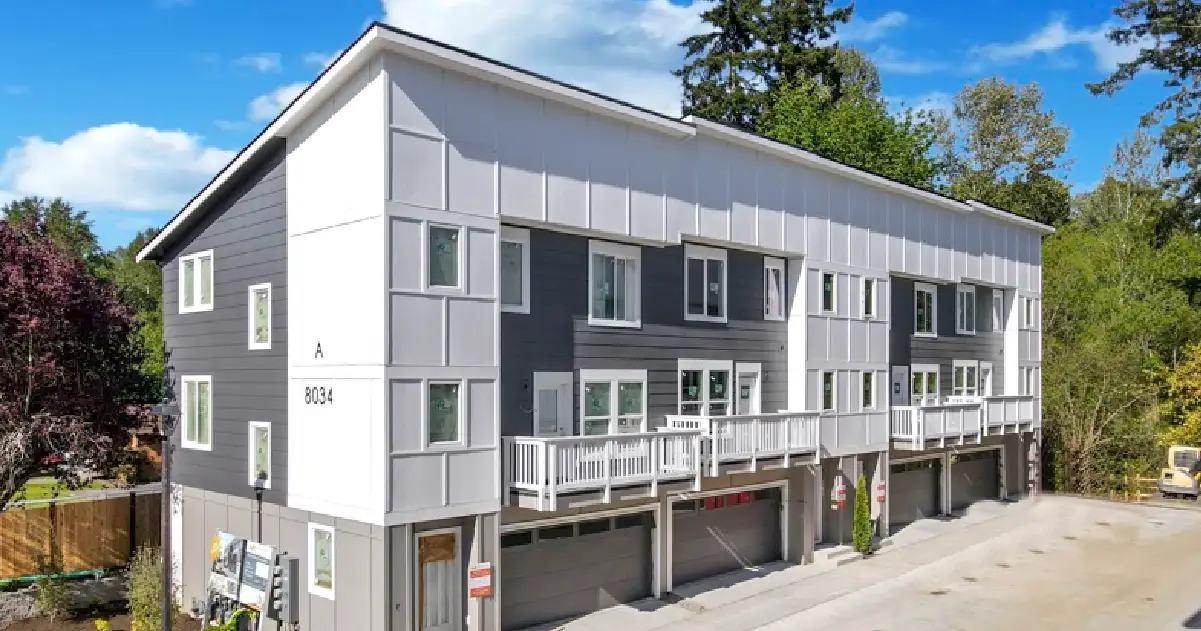
  • Are Townhomes Considered Multifamily? Understanding the Differences

    Are Townhomes Considered Multifamily? Understanding the Differences

    If you’re looking at homes for sale in Washington State, you might wonder if townhomes fall under the category of multifamily properties. While they’re sometimes misclassified this way, townhomes actually offer a unique blend of privacy, community, and urban convenience. In this blog, we’ll explore the differences between townhomes and multifamily properties and discover why townhomes are a fantastic option for homebuyers. 

    Understanding the Basics 

    Before diving into townhomes’ unique benefits, it’s helpful to do property types comparison. 

    Single-Family Homes: Single-family homes are stand-alone properties that offer unmatched privacy and full control over both the house and land. Homeowners can enjoy the freedom to customize their space, create expansive outdoor areas, and benefit from strong property value appreciation. These homes typically provide ample room for families and lifestyle needs. While maintenance responsibilities are higher, many find the independence and personalized living experience well worth it. 

    Multifamily Properties: Multifamily properties, such as apartments, duplexes, and condos, are designed to house multiple families in separate units within a single building and typically share common walls. While they may offer rental income potential and consolidated management, they come with notable downsides. Residents often face limited privacy, shared spaces, and noise issues due to close neighbors. Customization options are restricted, and HOA fees or shared maintenance costs can add financial strain. For buyers seeking more space, independence, and a personalized lifestyle, multifamily properties may fall short compared to single-family homes or townhomes. 

    Townhomes: Townhomes offer the best of both worlds. Owners enjoy the independence of having their own unit, complete with private entrances and often a small yard or patio, providing a sense of personal space. Unlike multifamily properties, townhomes strike a balance between privacy and community, with shared walls connecting neighbors. The presence of HOAs ensures that common areas are maintained, relieving homeowners of some upkeep responsibilities while preserving the property’s aesthetics. This blend of autonomy and shared support makes townhomes a unique and attractive option for buyers seeking a low maintenance yet private living experience. 

    Why Townhomes Aren’t Multifamily 

    While townhomes share some physical characteristics with multifamily properties, their setup is distinct, influencing townhome ownership and the investment value they hold. 

    Ownership Structure: Townhome buyers own their unit and the land it occupies, setting them apart from condos and other multifamily property types where ownership is typically limited to the interior. This ownership model provides more autonomy and control over the property, unlike multifamily properties, where residents often rent and have less direct investment in the building. 

    Private Outdoor Spaces: Townhomes frequently offer private outdoor spaces, ideal for those who want a garden or patio without the full responsibility of a yard. Many MSR townhomes, like Rêve59, provide scenic views and tranquil backyard spaces, perfect for Seattle’s outdoor enthusiasts. These private areas enhance the sense of ownership, unlike multifamily properties where shared amenities are the norm. 

    HOA Responsibilities: HOAs are common in both condos and townhomes but function differently. In multifamily buildings, HOAs or property management handle all aspects of maintenance. In townhomes, HOAs typically oversee communal areas only, giving owners more freedom and fewer restrictions compared to those in multifamily settings. 

    The Benefits of Townhome Living 

    Living in a townhome brings several advantages, especially when compared to traditional multifamily properties. 

    Community Feel: Townhomes foster a sense of connection with neighbors through shared walls and common spaces, creating opportunities for community engagement while maintaining more privacy than apartments or condos in larger multifamily buildings. 

    Lower Maintenance: While townhome owners have more autonomy than those in multifamily units, HOAs often handle external maintenance and landscaping. This shared maintenance reduces the burden on townhome owners, contrasting with the all-encompassing property management of multifamily properties. For instance, MSR Communities offers meticulously crafted townhomes with quality materials designed to last, making them attractive for buyers looking for low-maintenance residential property types. 

    Affordability: Townhomes provide an affordable path into homeownership in the Seattle area compared to detached single-family homes. This affordability allows buyers to invest in prime locations near amenities like Alderwood Mall, dining spots, and parks without the cost and upkeep of larger single-family properties or the trade-offs seen in multifamily investment options. 

    Urban Convenience: Many Seattle townhomes are strategically built in transit-friendly areas, offering easy access to light rail stations and bus routes. Such perfectly located townhomes make them a practical choice for tech professionals. The combination of urban access and private space highlights the reason for townhomes to stand apart from multifamily properties in terms of both lifestyle and ownership. 

    Investment Potential: The strong Seattle market supports both living in and investing in townhomes. Unlike traditional multifamily properties where return on investment is tied solely to rental income, townhome ownership offers the potential for long-term appreciation and rental income. MSR Communities’ strategic developments in high-demand areas further increase the likelihood of property value growth, appealing to those interested in multifamily investment alternatives. 

    Townhomes in Seattle: A Perfect Fit 

    Seattle’s townhome communities, especially those developed by MSR Communities, combine luxury with convenience. Developments like The Shore16 in Kenmore offer proximity to Lake Washington and the Burke-Gilman Trail, appealing to outdoor lovers. The high-quality finishes and community amenities make these properties desirable for those seeking more than just a place to live. This lifestyle, contrasting with the shared experiences in multifamily properties, emphasizes the unique appeal of townhome living. 

    Additionally, Seattle’s booming tech industry supports townhome ownership for professionals working at Microsoft, Amazon, or Google. Many townhome communities are conveniently located near these tech hubs, making commuting easier and reducing stress. This proximity, coupled with the community-focused nature of townhome living, makes them an attractive residential property type for families and young professionals alike. 

    Many MSR Communities are also situated within top-rated school districts, such as the Northshore School District, ensuring quality education for children—a key consideration that sets townhomes apart from multifamily properties that may lack a family-oriented environment. 

    Conclusion 

    Townhomes offer a middle ground between single-family homes and multifamily apartments, combining privacy, lower maintenance, and a strong sense of community. For Seattle homebuyers, townhomes by MSR Communities offer proximity to popular spots like Alderwood Mall, scenic parks, and efficient transit options. 

    Experience the best of both worlds with townhome living—offering the benefits of homeownership found in single-family homes and the convenience of urban multifamily properties.  

    To discover more about MSR Communities’ townhomes for sale, visit MSR Communities and find your ideal home in a vibrant community.