Author: kranthi s

  • What Happens During a Final Walkthrough With a Builder?

    What Happens During a Final Walkthrough With a Builder?

    Moving into a brand-new home is one of those moments people imagine for years. You picture how your mornings will start, how the light will fall through the windows, and what that first quiet evening will feel like.

    And then you move in—and sometimes, a few small things don’t feel quite right.

    • Maybe a cabinet doesn’t close as smoothly as it should.
    • Maybe a switch doesn’t seem to control anything.
    • Maybe there’s a patch of paint that looks different once the sunlight hits it.

    These aren’t major problems. But they’re the kind of details you notice more once you’re living there—when your routines begin and your expectations settle in.

    It’s also when many homeowners quietly think:
    “I wish I had taken a closer look before closing.”

    That’s exactly where the final walkthrough comes in.

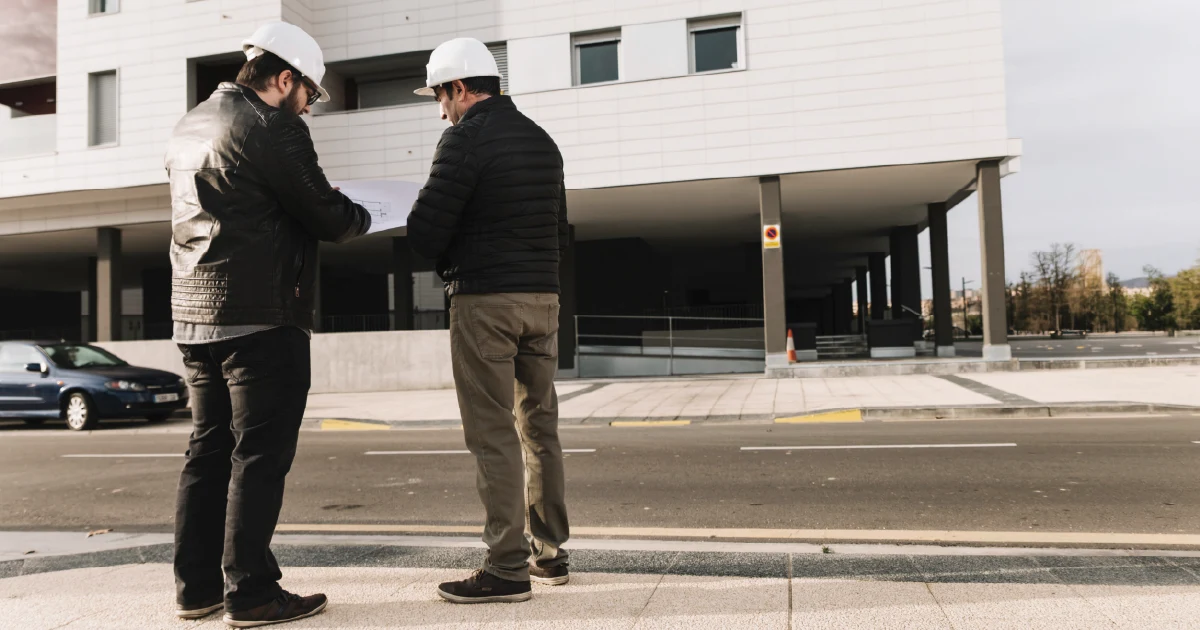
    Often called a pre-closing walkthrough or new home walkthrough, this step isn’t just a quick formality before you get your keys. It’s your time to walk through your home with fresh eyes, ask questions, and make sure everything feels right before it officially becomes yours.

    When you approach it with intention—and with a clear final walkthrough checklist—this moment can make a real difference in how confident and comfortable you feel on move-in day.

    Why the Final Walkthrough Deserves Your Attention

    By the time you reach this stage, you’ve already made a lot of decisions. Floor plans, finishes, upgrades—it’s been a journey.

    The walkthrough is where it all comes together.

    This is your opportunity to:

    • See your completed home in full.
    • Check that the details match what you chose.
    • Understand how everything works.
    • Catch anything that may need a final adjustment.

    It’s not about looking for flaws. It’s about making sure your home reflects what you were promised—and what you envisioned.

    Many buyers also choose to schedule a new construction inspection around this time. While that’s done by a third-party professional, your home inspection walkthrough with the builder is more personal. It’s about your experience of the home—how it looks, feels, and functions for you.

    When Does the Walkthrough Happen?

    Your pre-closing walkthrough usually takes place a day or two before closing.

    At this point:

    • Construction is mostly complete.
    • Utilities are turned on.
    • The home is ready for a final review.

    This timing gives you a clear picture of what you’re stepping into—without delaying your closing.

    At MSR Communitieswe believe this stage of the journey should feel thoughtful—not rushed. 
    From your first visit to your final walkthrough, every step is a chance to ensure your home reflects what matters most to you.

    How to Prepare (Without Overcomplicating It)

    You don’t need to overthink this—but coming prepared helps you feel more in control.

    Here’s what many homeowners find useful:

    • A simple final home inspection checklist
    • Your contract or list of selected upgrades
    • Your phone (for notes and photos)
    • Comfortable time—try not to rush this visit

    More than anything, give yourself permission to slow down. This is one of the few times you’ll walk through your home before it’s filled with furniture, boxes, and everyday life.

    What the Walkthrough Actually Feels Like

    Your builder or representative will guide you through the home, usually room by room.

    It’s a conversation as much as it is a review.

    They’ll show you how things work—your thermostat, appliances, and electrical panel. You’ll open doors, turn on faucets, and test switches.

    Some moments will feel technical. Others will feel surprisingly personal.

    Because somewhere between checking outlets and running the shower, you’ll start to picture your life there more clearly.

    Walking Through Your Home: What to Look For

    Let’s keep this simple and practical. You don’t need to be an expert—you just need to be observant.

    • Start Outside

    Before heading in, take a few minutes to look at the exterior.

    Notice the driveway, the paint, the way the landscaping has been finished. Does everything look complete? Does it match what you expected?

    • Try Every Door

    It sounds basic, but it matters.

    Open and close each door. Make sure locks feel secure and handles turn smoothly. Small alignment issues are easier to fix now than later.

    • Look at Walls and Floors in Natural Light

    This is where many small details show up.

    Walk slowly. Let your eyes adjust. You might notice minor paint variations or small marks. These are common, and this is the right time to point them out.

    • Check the Windows

    Open them. Close them. Lock them.

    Pay attention to how they move and seal. Windows play a big role in comfort, even if it’s not something you think about every day.

    • Spend Time in the Kitchen

    The kitchen is one of the most used spaces in any home, so give it a little extra attention.

    • Open cabinets and drawers
    • Check alignment and finishes
    • Turn on appliances
    • Run the sink

    Make sure everything feels solid and works the way it should.

    • Test the Bathrooms

    Turn on every faucet. Flush each toilet. Let the shower run for a moment.

    You’re looking for steady water pressure, proper drainage, and anything that feels off.

    • Flip the Switches

    Go room by room and test lights and outlets.

    It may feel repetitive, but it’s one of the simplest ways to avoid surprises later.

    • Understand Your Systems

    This is where your builder’s guidance really matters.

    Ask them to walk you through:

    • Heating and cooling
    • Thermostat settings
    • Electrical panel basics

    You don’t need to remember everything—but having a general understanding helps.

    • Don’t Skip Utility Spaces

    If your home has an attic, basement, or utility area, take a quick look.

    These spaces aren’t always top of mind, but they’re important for how your home functions over time.

    A Simple Final Walkthrough Checklist

    You don’t need anything complicated—just a clear way to stay organized.

    Your final walkthrough checklist might include:

    • Are all agreed upgrades in place?
    • Do doors and windows open and close properly?
    • Are walls, floors, and finishes in good condition?
    • Are appliances working?
    • Is plumbing running smoothly?
    • Are lights and outlets functioning?
    • Does the exterior look complete?

    Think of this as a guide—not a test.

    What If You Notice Something?

    You probably will. And that’s okay.

    During your new home walkthrough, anything that needs attention is typically added to a punch list—a simple record of items to be completed or adjusted.

    This might include:

    • Paint touch-ups
    • Minor alignment fixes
    • Small finish corrections

    Your builder will review these with you and explain next steps.

    This process is normal, and it’s part of bringing your home to its final, finished state.

    After the Walkthrough

    Once your walkthrough is complete:

    • Your builder begins addressing the punch list
    • Final preparations for closing continue
    • You move one step closer to getting your keys

    Some items may be completed before closing, while others may be scheduled shortly after. Clear communication here makes a big difference.

    A Quick Note on Inspections and Warranties

    If you’ve scheduled a new construction inspection, that report may highlight additional items to review.

    Most builders also provide a warranty that covers certain aspects of the home after move-in. It’s worth taking a little time to understand what’s included.

    Why This Step Matters More Than It Seems

    It’s easy to think of the walkthrough as just another appointment.

    But in reality, it’s a pause.

    • A moment to step into your home before life fills it up.
    • A chance to notice details you might otherwise miss.
    • A way to move forward, feeling more certain about your decision.

    Many of the small frustrations homeowners experience later can often be traced back to things that simply weren’t caught at this stage.

    Not because anyone did something wrong—just because the moment passed too quickly.

    Looking Ahead to Move-In Day

    When you walk into your home after closing, you want to feel at ease.

    Not like you’re still checking things. Not like you’re making a list in your head.

    Just… at home.

    Taking your time during the pre-closing walkthrough helps create that feeling.

    Finding a Home That Feels Right—From the Start

    If you’re beginning your search or exploring newly built townhomes or single-family homes, we invite you to take a closer look at what we’re creating.  

    Explore our homes for sale and discover spaces designed with real life in mind—where details are considered, and your experience truly matters. 
  • How Builders Price New Homes in Competitive Markets

    How Builders Price New Homes in Competitive Markets

    Ever walked through a new home model and quietly wondered, “How did they land on this price?”

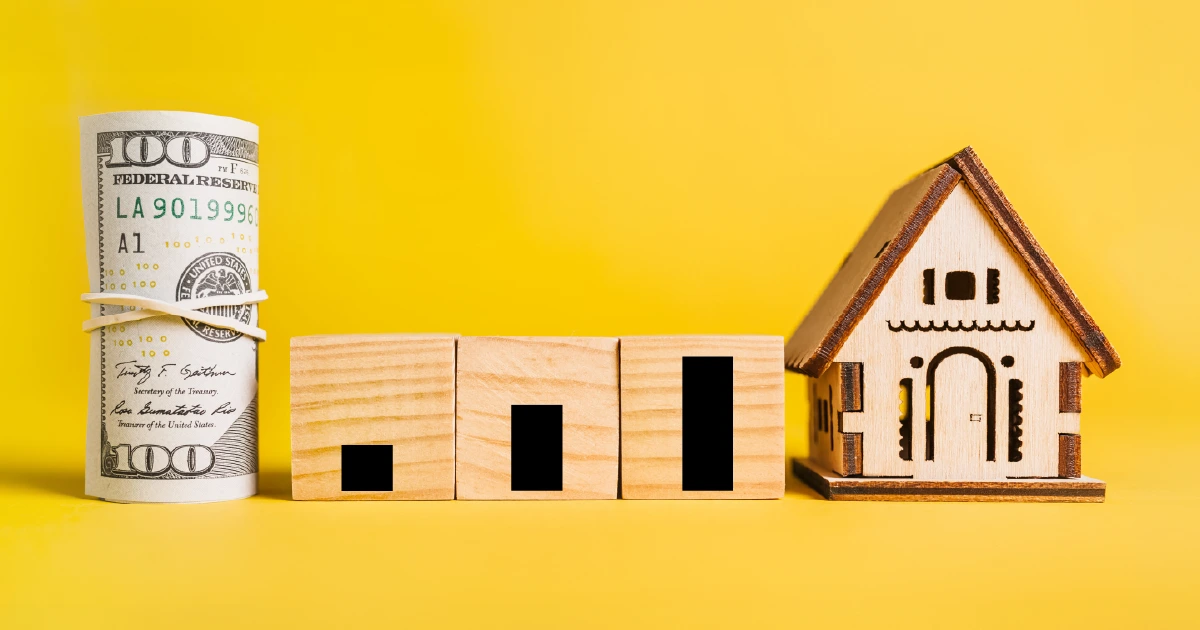
    For many buyers, new construction home prices can feel a little hard to decode at first. Two homes may appear similar, but their pricing reveals a slightly different narrative. And in current markets, those differences can feel even more noticeable.

    It’s not guesswork to set a price for a new home. Builders follow a steady, thoughtful process—one that balances real costs, market demand, and what buyers truly care about.

    Let’s break it down in a way that actually makes sense.

    First, It’s About the Market—Not Just the Home

    Before a builder gives a home a price, they take a step back and look at the whole picture.

    They are paying attention to things like:

    • How fast homes are selling in the area
    • What buyers are most interested in right now
    • Prices are changing in similar communities.

    This step becomes more important when market conditions are more balanced or demand is less intense. In these situations, builders focus not just on setting a price but on positioning the home thoughtfully to attract the right buyers over time.

    That’s the starting point for most home pricing strategies.

    What You’re Really Paying For

    When you see the final price, it’s the result of many smaller pieces coming together. A clearer way to understand the new home cost breakdown is to look at what goes into building and delivering the home.

    The Land It Sits On:

    Location plays a bigger role than most people expect. A home closer to:

    • Major job centers
    • Well-rated schools
    • Everyday conveniences

    may come at a higher price point. That’s not just about demand—it often reflects long-term livability.

    The Cost to Build:

    Then there’s the actual construction. This includes:

    • Materials (which can fluctuate over time)
    • Skilled labor
    • Structural and energy-efficient systems

    Even small shifts in these areas can influence new-construction home prices over time.

    The Way the Home Is Designed:

    Not all homes are built the same—and that shows up in pricing.

    For example:

    • Single-family homes usually offer more space and privacy
    • Townhomes tend to focus on efficient layouts and simpler upkeep

    Design details, finishes, and included features all shape new home pricing in a very real way.

    The Community Around It:

    When you buy a new home, you’re also stepping into a neighborhood that’s been planned and built over time.

    That often includes:

    • Streets and sidewalks
    • Landscaping
    • Shared outdoor spaces

    Those elements are part of the overall value, even if they’re easy to overlook at first.

    How are Pricing Shifts Depending on the Market

    In a slower market, pricing may stay relatively steady. In a competitive one, it tends to move more.

    Builders don’t set a price and walk away. They keep watching what’s happening and adjust when needed.

    Here’s what that can look like in practice.

    Watching What Buyers Are Doing

    Builders pay close attention to how quickly homes are selling.

    If homes are moving fast, it may signal strong demand.
    If things start to slow, they may revisit pricing or introduce incentives.

    This ongoing adjustment is a key part of how home pricing strategies stay relevant.

    Releasing Homes in Phases

    You might notice that homes in the same community aren’t all priced the same way. That’s often because they’re released over time.

    • Early releases may come with more introductory pricing.
    • Later releases may reflect changes in market conditions.

    It’s a gradual approach that helps builders stay aligned with the market.

    Offering Value Without Changing the Base Price

    Instead of lowering prices outright, builders sometimes add value in other ways.

    You might see:

    • Assistance with closing costs
    • Upgraded finishes included
    • Financing incentives

    For buyers, this can make a meaningful difference while keeping the overall structure of new home pricing intact.

    Why Single-Family Homes and Townhomes Are Priced Differently

    When you compare single-family homes and townhomes, the price differences usually have to do with how the home is built and what comes with it.

    Single-family homes

    These houses usually come with:

    • More space
    • Outdoor space just for you
    • More distance from neighbors

    They may cost more in many places because they usually need more land and materials.

    Townhomes

    The design of townhomes focuses on efficiency.

    They often have:

    • Walls that are shared.
    • Layouts that are smaller and easier to handle.
    • Less outside upkeep.

    For many buyers, they make it easier to enter the new-construction housing market in a range of locations.

    Timing Matters More Than You Might Think

    Many buyers are surprised to learn that timing can affect prices.

    Buying Earlier

    • More options for home sites
    • Possibility of pricing in the early stages

    Buying Later

    • Not as many choices available
    • Prices may change over time based on broader market conditions.
    • There is no better option; it all depends on what you value most.

    Neither option is better—it just depends on your priorities.

    Why Prices Don’t Always Stay the Same

    It’s normal to want things to stay the same, but prices can change.

    Some common reasons are:

    • Changes in the cost of materials
    • Availability of workers
    • Wider economic conditions
    • Demand from buyers

    Builders try to carefully respond to these changes, keeping both current buyers and long-term value in mind.

    A Shift Toward More Clarity

    Many builders have started to use simpler pricing in the last few years.

    That could mean:

    • Prices are clear.
    • Set upgrade choices.
    • Start talking about incentives openly.

    This often makes things easier for buyers to understand and feel a little less unsure.

    How to Approach New Home Pricing as a Buyer

    If you’re in the middle of your search, a few simple approaches can help.

    • Ask for the Full Picture: Instead of focusing only on the base price, ask what’s included and what might be additional.
    • Think About What Matters Most: Every buyer values something different—space, location, design, or ease of maintenance. Pricing often reflects those priorities.
    • Look at Long-Term Value: Energy efficiency, quality construction, and community growth can all play a role beyond the initial price.
    • Stay Curious: If something doesn’t make sense, ask. A good builder will take the time to walk you through it.

    Where the Industry Is Headed

    Builders are continuing to refine how they approach pricing.

    There’s more use of real-time data, more focus on buyer preferences, and a stronger effort to create homes that feel relevant not just today but years from now.

    That forward-looking mindset helps shape communities that feel intentional and well thought out.

    Finding the Right Place

    In the end, price is only one part of the story.

    A home is also about how it feels, works, and helps you live.

    That balance is important to MSR Communities. Every home is built with real people, real routines, and real goals in mind.

    If you’re thinking about buying a single-family home or a townhome, it might be worth your time to look more closely at what’s out there. Look at our homes for sale to see how a well-planned community and thoughtful design can work in real life.

  • Choosing the Right Lot in a New Community: What Homebuyers Should Know

    Choosing the Right Lot in a New Community: What Homebuyers Should Know

    When people start looking at new construction homes, most of the attention usually goes toward floor plans, kitchens, finishes, and upgrades. But one thing many buyers don’t think about right away is the lot itself.

    The location of your home inside the community can shape your everyday experience in ways that matter more than you may expect. Factors like outdoor spacing, privacy, sunlight, and accessibility to nearby schools and other facilities and how peaceful and calm your surroundings are, come down to the lot you select.

    At MSR Communities, we build homes that perfectly align with your lifestyle choices and your housing plans for the future. This emphasizes the importance of choosing the right lot is so important in your new home buying process.

    Whether you’re looking for newly built homes or new homes for sale near Seattle, you must first understand the available lot types before you can go ahead and buy your dream home.

    *Looking for the right homesite? Explore new homes for sale built for modern living.

    Why the Lot You Choose Matters for your New Home

    To start off with, you need to understand why choosing the right lot plays a crucial role in deciding on the vibe of your home.

    Here are some factors to look into when buying a new construction home:

    • Outdoor spaces
    • Ventilation/natural lighting in the area
    • Privacy
    • Backyard space
    • Noise levels in your surroundings
    • Walkability to nearby facilities like parks, schools, and grocery stores
    • Long-term value of the house

    Did you know? Two homes with the same layout can differ based on their location and also differ, depending on where they are located within the community.

    Some homebuyers look for something quiet and secluded, away from the traffic, while others need homes that are close to parks, community spaces, and trails. Families with kids need places that give them good ventilation and natural lighting, with a spacious backyard.

    All these factors stress why comparing and choosing the right lot can make a difference even after you move in your new place.

    Also, read…

    Buying a New Construction Home: The Pros and Cons

    Understanding Different Lot Types

    Selecting the best lot is now becoming one of the main decision-making factors amongst buyers looking for new home communities and new construction homes.

    While every lot type comes with its own benefits, it comes down to your lifestyle and your housing choices.

    Here are the top 6 most common lot types that you can explore and choose from:

    Cul-de-Sac Lots

    Homes situated on streets with minimal traffic and are ideal for homebuyers looking for a more peaceful and calmer neighborhood.

    Some of the reasons why you should opt for a Cul-de-Sac lot are as follows:

    • Less traffic-prone area
    • Reduced street noise
    • Spacious outdoor play area
    • Increased privacy
    • Increased long-term buyer appeal

    Corner Lots

    Corner lots are the ones situated where two streets intersect or meet and are often very spacious. These lots are ideal for homebuyers interested in spaces that are perfect for gardening, outdoor living, and recreational purposes.

    Here are some reasons why you should choose corner lots:

    • Extra sunlight
    • Extended yard space
    • Street appeal
    • Additional distance between neighboring homes

    Interior Lots

    Interior lots are those that are centered between new home communities and are the most preferred choice for homebuyers. Interior lots are ideal for those seeking a perfect balance between affordability and convenience.

    Some of the reasons why you should opt for interior lots:

    • Good overall buyer value
    • Easy access to neighborhood
    • Away from the noisy and crowded roads
    • Peaceful and calm community


    Greenbelt and Trail-Adjacent Lots

    People these days are becoming health conscious and are actively participating in outdoor activities, such as walking while staying close to nature. For such buyers, the trail-adjacent and greenbelt lots are considered ideal, as they offer homesites with a calm atmosphere. If you enjoy biking, walking, or jogging or love spending time with your family in the outdoors, this is one of the best options for you.

    Here’s why you should consider greenbelt or trail-adjacent lots:

    • Easy outdoor access
    • Enjoy privacy with not much interference
    • Quiet and scenic neighborhood
    • Access to nearby waking trails


    Lots Near Community Amenities

    New homes these days are designed keeping in mind convenience and connectivity. Lots near community amenities are those that are closely situated to the nearby amenities and facilities. Anyone looking for “new communities near me” or “new community near me” will definitely check for these factors before finalizing a deal.

    Here are some of the amenities you can easily access by choosing this lot type:

    • Pools
    • Parks
    • Walking trails
    • Clubhouses
    • Playgrounds
    • Fitness centers
    • Outdoor gathering spaces

    Premium Lots

    Premium lots are one of the most appealing areas within a community, often coming with scenic surroundings, added privacy, and a vast lawn area. Buyers investing in premium lots see it as a long-term investment that supports both their lifestyle and adds long-term value to their home.

    Here’s why you should consider a premium lot:

    • Increased privacy
    • High resale value
    • Large outdoor areas
    • Surrounded with scenic greenery


    Also, read…

    2026 Financial Resolutions for Buying a New Construction Home

    Common Mistakes Buyers Make When Choosing a Lot

    We often get so carried away with the excitement of buying a new home that we tend to overlook some of the most important aspects. You need to start off by choosing the right lot before buying the house itself.

    Here are some of the factors that most people ignore at the time of choosing a lot for their new home:

    • Sun exposure
    • Natural lighting/ventilation
    • Commute/transit routes
    • Any construction plans in the future
    • Size of the backyard
    • Proximity to nearby amenities
    • Traffic in the area
    • Resale value potential in the future

    Taking these factors into consideration when choosing a lot can help you avoid unnecessary challenges later.

    Also, read…

    New Construction Homes for Sale: Your Guide to Buying a New Home

    How do you choose the right lot for your lifestyle?

    There are no good or bad lots; it all comes down to your preferences in finding the best lot that fits your lifestyle.

    Here are some factors you should think about when comparing your lot options:

    • Nearby amenities
    • Access to nearby schools, parks, etc.
    • Outdoor living spaces
    • Privacy
    • Natural lighting
    • Traffic in your neighborhood
    • Resale value of your home in the future

    You know, what else is important when you’re researching about building or buying a new home? Asking questions about any future upgrade plans in your community, upcoming construction phases, and potential development in the area.

    At MSR Communities, you will get the opportunity to walk through the neighborhood, check out the layout of the community, and select a homesite that truly matches your vibe.

    Top Questions to Ask Before Choosing a Lot

    Asking your builders random questions before buying a new construction home is not going to help your homebuying journey. It all comes down to the kind of questions you ask that can help you be more prepared and make an informed decision.

    To help you out a bit more, here are some of the questions that you can ask your builder before buying new construction homes:

    • What type of lots are currently available in your community?
    • Which lot can give me the best natural lighting?
    • Are there any landscape guidelines or HOA rules?
    • Are there any new construction phases planned in the neighborhood?
    • Which of these lots are most popular with homebuyers?
    • How close are the parks, shopping malls, schools, and commute options to this community?
    • What upgrades are currently included?

    Find the Right Homesite with MSR Communities

    Picking the right lot is the first baby step toward building the home of your dreams. At MSR Communities, we support just that. We design and build new home communities that support your long-term housing plans and support modern living with comfort.
    From open layouts to family-friendly neighborhoods and convenient access to schools, dining, and parks, we have homes that are perfectly planned for families.

    Be it new built homes or newly constructed homes, our team will work with you from the start to the finish, from helping you compare lots to finding the right home for you. We believe that finding a dream home starts with choosing the right location for it.

    Also, read…

    Choosing the Right Builder for Your Dream Luxury Home: Why MSR Communities Makes the Difference

    Final Thoughts

    Selecting the right lot in a new community is about finding the right location in a setting that matches your lifestyle.

    With more buyers looking for new construction homes, looking for factors like privacy, outdoor spacing, lot types, and the neighborhood layout can help take away the strain from your home buying process.

    Be it easy access to parks and trails, scenic views, or cul-de-sac placement, taking some time out to compare the available options can give you a good homeownership experience.

    With the right builder to guide you with the journey, you can find a home that you can call your own.

    Frequently Asked Questions

    What does lot size mean in real estate?

    Lot size simply means the total land area or amount included in a property and can be measured in acres or square feet.

    What are the most important factors for choosing a new construction lot?

    You should look for the outdoor space, traffic flow in the locality, proximity to nearby amenities, privacy, natural lighting in your area, commute routes, and access to parks and schools.

    How do I evaluate different lot options when buying a new home in a planned community?

    Evaluating the lot options includes considering the future value of our new home, the layout of your property, and how it matches your lifestyle.

    What is considered a premium lot?

    Lots with high-end features like a spacious outdoor area, extra privacy, a beautiful view, and a homesite with a cul-de-sac placement are known premium lots.

    How do I choose the right lot for my lifestyle?

    The right lot can be checked based on your daily activities, the level of privacy you need, long-term housing plans, closeness to nearby facilities, and outdoor living space.

    How to pick the best lot in a subdivision?

    The best lot depends on whether you are getting privacy, future value for your home, sufficient natural lighting, good water flow in the desired location, and land area.

    Why is lot selection important in new construction communities?

    Choosing the right lot is key as it affects the long-term value of your home and influences how it supports your daily lifestyle.

    What is the 20/30/40 rule?

    The 20/30/40 rule is a common rule for buying a new home, which simply translates to 20% for savings, 30% for flexible spending, and 40% or less for everyday expenses like utilities and housing.

    How long does it take for a new home community to be completed?

    New home communities are usually built in phases and may take up to a few years for the construction to be done. The time taken also varies based on the size of the community and development plans.

  • Rent vs. Buy in 2026: Why More Buyers Are Choosing New Construction Homes

    Rent vs. Buy in 2026: Why More Buyers Are Choosing New Construction Homes

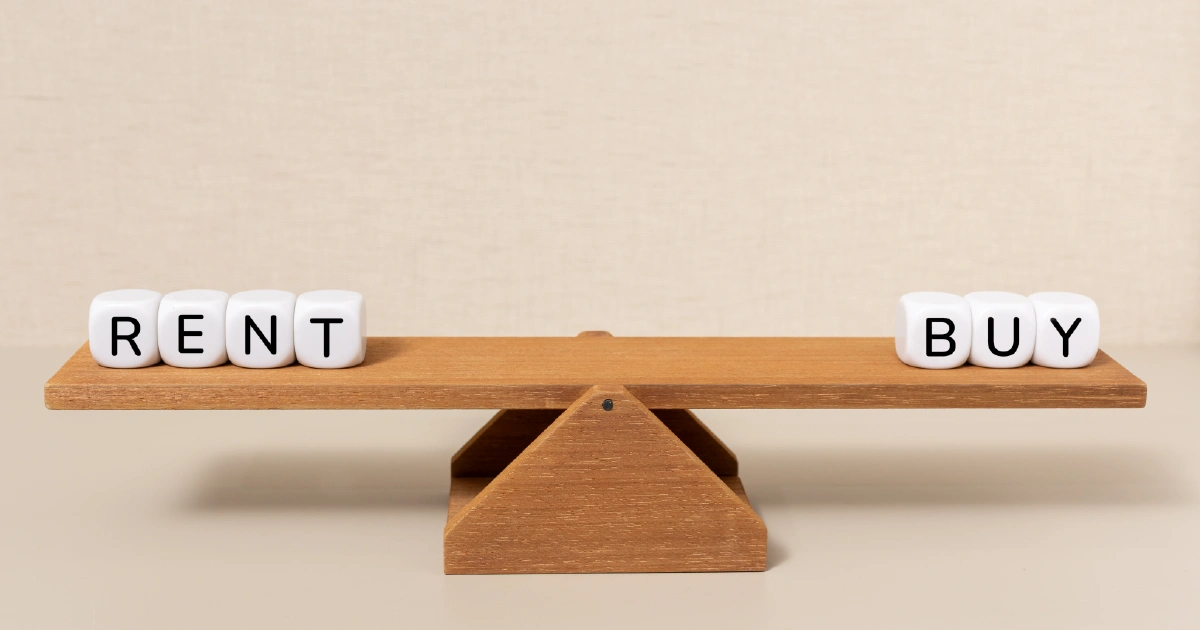
    Can’t decide between renting vs. buying a home? Well, you are not the only one stuck with the same doubt. After a given time, most renters start having the same question: Is now the time to buy a new home?

    With the rent prices rising across the city and housing requirements changing for first-time buyers, professionals, and families, people are now considering the long-term benefits of homeownership. While renting might seem like a more flexible option for some, the others are looking for something more permanent that they can call home.

    This is one of the biggest reasons why first-time homebuyers are now exploring new construction homes that are carefully planned and designed to meet modern lifestyles.

    The debate between rent vs. buy is not only about paying your monthly rent, it is also about what buyers are now seeking, which is a more comfortable, stable, and customized lifestyle in a home that matches their vibe.

    If you are one of those people who cannot decide whether they should rent vs. buy a home, this guide will walk you through your best options, including the differences, benefits, budget planning, and costs involved to help you make a more informed choice.

    *Considering a fresh start in a modern community? Explore new construction homes near you.

    Rent vs Buy: Which Option Should You Choose?

    There’s no right or wrong answer when it is about buying vs. renting a home; it all filters down to your future plans, financial potential, and how you want your ideal home to be.

    Some buyers find renting a home as a better choice as it offers flexibility, while others look for something more long-term, like buying a new home that adds value over time.

    Here’s a quick comparison between renting vs. buying a home, covering all the main factors:

    Category 

    Renting a Home  Buying a Home 

    Monthly Costs Over Time 

    Rent prices will likely increase over a period of time, sometime even annually.  The mortgage for a new home is often fixed, giving you more consistency. 

    Building Equity 

    The rent you pay every month goes directly to the property owner. 

    Your monthly payments directly add to your ownership rights over time. 

    Initial Costs  You will only need to pay a security deposit along with the rent of your first month. 

    You will need to pay the initial down payment amount along with the closing costs involved. 

    Maintenance 

    All the major repair work is taken care of by the property manager or the house owner or landlord. 

    The repair work is generally taken care of by the homeowners. 

    Flexibility 

    It is much easier to shift or relocate after the agreement or lease ends. 

    It is best for buyers with long-term housing plans. 

    Personalization  Gives you restricted access to customize or make design changes. 

    You get complete freedom to customize your home as per your choice. 

    Long-Term Value  You don’t get ownership or resell rights. 

    You get complete ownership rights with potential for future equity. 

    Buyers who are comparing their buying vs. renting options should consider checking the balance between long-term goals and short-term flexibility.

    Also, read…

    10 Must-Haves to Look for in Your New Home: A Buyer’s Guide

    Benefits of Buying a Home vs Renting

    One of the easiest ways to differentiate between renting and owning a house of your own, is to understand its benefits, and how it aligns with your lifestyle choices, both now and in the future.

    Benefits of Renting a Home

    • Flexibility: Renting a home makes it easy to shift, depending on your lifestyle choices, career opportunities, and moving out plans, offering short-term flexibility.
    • Low initial costs: You generally need to pay low upfront costs while renting a home, as compared to buying a new home, which seems like a better option for some families, as it is more manageable.
    • Reduced maintenance responsibilities: One of the first advantages in renting a home is that the repairs and maintenance are mostly handled by the landlord or the homeowner, cutting down the burden of bearing the additional costs.
    • Best budget-friendly option: Renting is one of the best options for those who need more time for making a huge investment, giving them ample time to decide on their option.

    Benefits of Buying a Home

    • Long-term value: Every payment or mortgage that is paid regularly directly adds to your equity and long-term housing ownership.
    • Steady housing costs: Homeowners need not worry about their mortgages increasing, as they are generally fixed and do not change.
    • Easy personalization available: With a home of your own, you get the liberty to alter and change the feel of your home without any limitations. You can change, and plan the layouts, finishes, upgrades, and décor as per your choices.
    • Homeownership rights: Even with the real estate market fluctuations, you get to be secure, as investing in a new home comes with long-term benefits.

    Also, read…

    Transitioning from Renting to Owning a Home: A Step-by-Step Guide

    Cost of Renting vs Buying a Home

    One of the most important factors to consider while comparing the cost of renting vs. buying a home is to calculate beyond the monthly payments you make.

    In most cases, renting can seem like a better and a more affordable option considering its low upfront costs, but over time it can get too overwhelming with the annual increases and the thought of the payments not contributing towards something more long-term.

    Here’s what you can expect by renting a home:

    Renting is often a more flexible and convenient option for people with short-term plans. However, here’s a quick rundown of what you can expect as a renter renting a home:

    • The rent will increase every time you have your lease renewed.
    • The payments you make do not add to your equity or ownership.
    • The rising home values may seem like a burden for the renters.

    Here’s what you can expect from buying a home:

    Buying a new home generally involves huge upfront costs, but most buyers consider it to be a long-term investment for their future.

    Some of the reasons why buyers are now looking into new construction home communities are as follows:

    • The mortgage paid every month directly adds to your ownership.
    • Newly built homes these days come with low maintenance and modern features.
    • Some of the newly constructed homes also come with energy-efficient features that will significantly cut down your utility costs every month.
    • Homes in modern communities are built keeping in mind comfort, luxury, and affordability.

    Most first-time homebuyers see their homebuying journey as a personal achievement, though it can cause financial strain.

    Also, read…

    Townhome Living: Pros, Cons, and Costs

    Rent vs Buy: 5 Most Common Myths About Buying a Home

    While buying a new home sounds like a new chapter unfolding, there are many false beliefs that circulate around the idea of buying a home, particularly among renters who think homeownership is beyond achievable.

    Let’s clear it up once and for all, with the top 5 most common myths or misconceptions that most buyers must have heard of:

    Myth 1: Renting is always a cheaper substitute for buying.

    Renting will likely cost you less initially, but the monthly rent payments do not contribute towards long-term goals, nor do they add any value or build equity. This is one of the main reasons why most people begin to carefully differentiate between the benefits of buying a home vs. renting.

    Myth 2: New construction homes are expensive.

    Most people automatically conclude that new construction homes cost more than older homes. However, the truth is that new homes don’t need long-term costs as they are built with high-quality materials, and modern features that come with low maintenance.

    Myth 3: You need to maintain perfect credit to buy a home.

    You don’t need perfect credit to buy a new home. Most financing programs are designed particularly to assist first-time home buyers, making their homeownership journey easy with flexible options.

    Myth 4: Buying a new home is too complicated.

    Buying a home is one of the most beautiful and important things in one’s life, so naturally the process can get overwhelming at first. In situations like these, consulting trusted builders like MSR Communities can make the process manageable, supportive, and easy-going throughout.

    Myth 5: You need to make a huge down payment.

    Most buyers automatically think they need to pay high upfront costs to buy a home. However, contradicting the assumption, in reality, there are plenty of financing options that one can choose from. These finance options come with low initial costs that are manageable by most buyers.

    Why More Buyers Are Choosing New Construction Homes?

    The increasing demand for new construction homes is increasing by the day, with today’s buyers looking to buy homes that support their lifestyle.

    You can find new construction homes that prioritize the following features:

    • Energy efficiency
    • Flexible spaces
    • Open layouts
    • Communities that are welcoming and feel more connected to the neighborhood
    • Updated finishes

    These are the selling points that attract buyers looking for a new home for sale to newly built homes and modern communities.

    • Move-In Ready Convenience: Most new construction homes now come with move-in ready spaces that are designed with modern features, not requiring any major renovations or repairs.
    • Updated Features: Buyers now are looking for homes that are high-end yet operational with features that are comfortable and premium. New construction homes also come with highlights like open-concept kitchens, spacious living areas, and additional spare rooms.
    • Smart Design Homes: Modern construction materials, and energy-efficient features will significantly cut-down your utility costs, giving you homes with present-day designs. This makes new construction homes a better choice compared to old properties.
    • Easy connectivity: Newly built communities are close to parks, schools, restaurants, and shopping malls, with easy commute access; this gives homeowners the advantage of flexibility and accessibility.
    • Long-Term Appeal: Buyers find contemporary features, modern floor plans, and updated finishes super appealing as they increase the resale value over the period of time.

    Also, read…

    New Construction Homes for Sale: Your Guide to Buying a New Home

    Conclusion: Is It Better to Rent or Buy?

    The answer to the above question is simply based on your financial goals, lifestyle, housing priorities, and long-term planning.

    Some people find renting a better and more flexible option, while other buyers look for something more permanent and lasting. Having a home to call your own gives a sense of stability, peace, privacy, and security.

    That’s one of the main reasons why new homebuyers are now looking out for new homes for sale in well-planned communities.

    If you are currently deciding between buying or renting a house, now could be the right time to research your options and figure out what homeownership could feel like for you.

    Ready to Explore Your Next Home?

    Finding your new home starts with finding a trusted builder.

    Buyers today look for smart layouts with modern architecture and quality homes. MSR Communities delivers exactly that, giving you well-designed homes that are innovative and built to match your vibe.

    Frequently Asked Questions

    How do I calculate rent vs. buy options?

    You get to compare your taxes, mortgage payments, rent changes, and maintenance costs with a rent vs. buy calculator.

    What are the advantages of renting vs. buying a home?

    Renting a home gives you reduced upfront costs and flexibility, while buying a home gives you long-term stability, value, and a chance to build equity.

    When should you buy vs. rent a home?

    Renting is best for short-term plans and comfort, while buying a home is more of a long-term option requiring long-term investment in your future.

    How can you find new construction homes in your area?

    To find new homes for sale in your area, you can go through local communities, online builder listings, and talking to nearby builders in your area.

    Is it better to buy new construction or an existing home?

    Most buyers prefer new construction homes over existing homes as they come with updated features, modern furnishings, and low maintenance requirements.

    Are new construction homes cheaper than older homes?

    New construction homes are somewhat cheaper than older homes in terms of maintenance and energy efficiency; however, they come with high initial costs.

    How to buy a new construction home?

    To buy a new construction home, you must set a fixed budget, choose an area, and consult experienced builders in that locality to help you with the process.

    How can I estimate new home construction costs?

    You must calculate upgrades, base pricing, lot premiums, closing charges or costs, energy savings, and long-term maintenance.

    Are new construction homes a good investment?

    Yes, new construction homes give you modern homes with upgraded features and long-term appeal.

    What should you ask when buying a new construction home?

    You should ask for upgrade options, community amenities, warranty coverage (if any), features included, project timelines, and check the proximity to nearby schools and malls, etc.

  • Why Townhouses Are the Perfect Choice for First-Time Homeowners in Bothell

    Why Townhouses Are the Perfect Choice for First-Time Homeowners in Bothell

    A new home is always exciting.

    It’s the start of something meaningful — new routines, new neighbors, new memories. It’s imagining where you’ll place your furniture, how morning light will fill the kitchen, and what weekends might look like in a neighborhood that truly fits your lifestyle.

    And when that home is in a place like Bothell, it can feel even more special.

    Picture stepping outside for a morning walk along nearby trails. Imagine enjoying a cup of coffee at a nearby downtown café. You can feel the convenience of being close to major employment centres and yet return home to a peaceful, community-focused environment. Selecting the ideal neighborhood often elevates the experience of homeownership.

    Now imagine that lifestyle paired with a home designed for how people live today.

    For many first-time homebuyers exploring Bothell real estate, that combination is leading them to consider townhouses.

    Let’s explore why.

    First, Let’s Talk About Lifestyle

    Bothell has a way of feeling balanced.

    You’re close to major job centers like Seattle and Bellevue, but you don’t necessarily feel like you’re in the middle of the rush. There are trails, parks, local restaurants, coffee shops, and neighborhoods that feel established and welcoming.

    For first-time buyers, that balance matters.

    A thoughtfully designed townhome in Bothell often fits right into that lifestyle. It gives you ownership, privacy, and space—without the full weight of maintaining a large property.

    And that’s a big reason why townhouses are getting so much attention.

    This Isn’t Just a Local Trend

    If it feels like you’re seeing more townhomes being built lately, you’re not imagining it.

    Across the country, more buyers are choosing townhomes—and builders are responding. According to the National Association of Home Builders (NAHB), townhomes made up roughly 17–18% of all new single-family housing starts in 2025. That’s one of the strongest shares recorded in decades.

    In simple terms? Nearly 1 out of every 5 new single-family homes being built today is a townhouse.

    That shift says something important. Today buyers are looking for homes that feel attainable, thoughtfully designed, and easier to maintain—without giving up space or comfort. Townhouses offer that balance. They make homeownership feel possible while still delivering the features people care about.

    So, when you explore townhomes for sale in Bothell, you’re not just looking at a local opportunity. You’re seeing a housing style that’s steadily earning confidence nationwide—because it fits how many people want to live right now.

    Why Are First-Time Buyers Choosing Townhouses?

    When we speak with a first-time townhouse homebuyer, a few themes tend to come up again.

    1. It Feels Like a Smart First Step

    Let’s be honest. Buying your first home can feel financially overwhelming.

    Townhouses often offer a more approachable entry point compared to detached single-family homes in the same area. That doesn’t mean they’re “less.” It means they’re efficient.

    • You can begin building equity.
    • You can own it in a desirable location.
    • You can stay within a monthly payment that feels manageable.

    For many first-time buyers exploring Bothell real estate, that balance feels reassuring.

    2. Less Maintenance, More Living

    One of the biggest benefits of townhouse living is simplicity.

    In many townhouse communities:

    • Landscaping is handled through the HOA
    • Exterior maintenance may be shared
    • Community areas are maintained collectively

    That can mean fewer weekends spent mowing lawns and more weekends doing things you actually enjoy.

    Disclaimer: HOA services and fees vary by community. Buyers should review all governing documents carefully.

    For a first-time homeowner, having that structure in place can feel supportive rather than overwhelming.

    3. The Layout Makes Sense

    Modern townhomes are designed differently than older homes.

    They’re often built with open main living spaces, functional kitchens, and flexible lower levels that can serve as:

    • A home office
    • A guest suite
    • A workout space
    • A quiet retreat

    Many buyers are surprised by how much space a multi-level townhouse can offer.

    It’s not always about having the biggest footprint. It’s about using space intentionally.

    A well-designed townhome in Bothell often feels practical, efficient, and comfortable all at once.

    4. Community Still Matters

    Townhouse communities tend to feel connected.

    You may share walls, but you also share sidewalks, green spaces, and neighborhood moments. For first-time buyers who may be new to the area, that can make the transition easier.

    Bothell itself encourages connection—through parks, local events, trails, and a growing downtown scene.

    Homeownership isn’t just about what’s inside your walls. It’s also about what’s outside your front door.

    The Financial Side—In Plain Terms

    Buying a home is emotional, but it’s also practical.

    When comparing renting versus owning, many buyers start asking:

    • What will my monthly cost look like long-term?
    • Am I building equity?
    • What are my maintenance responsibilities?

    While appreciation is never guaranteed, owning a home can allow you to build equity over time.

    Disclaimer: Real estate values can fluctuate. Buyers should consult licensed financial and real estate professionals for advice specific to their situation.

    New construction townhomes often come with:

    • Updated building standards
    • Energy-efficient systems
    • Builder warranties

    For first-time buyers, that can offer additional peace of mind.

    Why Bothell Specifically?

    Bothell continues to grow, but it still feels approachable.

    You have access to major employment centers. You have recreational options. You have neighborhoods designed with intention.

    And when you combine that location with modern townhome communities, it starts to make sense why demand is strong.

    The national data shows townhouses are gaining popularity. Locally, we see buyers choosing them because they align with how people live today.

    • Not everyone wants a large yard.
    • Not everyone needs excess square footage.
    • Many buyers want something thoughtful, manageable, and well-located.

    Townhomes often meet that need.

    Is a Townhouse Right for You?

    There isn’t one perfect answer for everyone.

    Some buyers know they want a detached home. Others realize a townhouse may fit their current stage of life beautifully.

    You might consider:

    • How long you plan to stay
    • Your comfort with HOA guidelines
    • Your desire for lower maintenance
    • Your long-term financial goals

    Taking the time to reflect—and touring homes in person—often brings clarity.

    Why MSR Communities?

    At MSR Communities, we don’t see homebuyers as transactions. We see them as people stepping into a new chapter.

    Our role is to listen first.

    • What matters to you?
    • What does your daily routine look like?
    • What are you hoping your first home will feel like?

    We design communities with care and intention, keeping in mind how you live and work today—and how your life may grow in the years ahead.

    That’s what being forward-thinking means to us.

    Final Thoughts: A Beginning That Feels Right

    A first home doesn’t have to be overwhelming.

    It should feel exciting. It should feel aligned. It should support your life—not complicate it.

    Townhouses have become an increasingly popular choice because they offer:

    • A practical entry into ownership
    • Modern, efficient design
    • Community connection
    • Access to desirable locations like Bothell

    If you’re exploring townhomes for sale in Bothell, we invite you to take the next step at your own pace.

    • Walk through the layouts.
    • Ask questions.
    • See how space feels.

    You deserve a home that supports your vision—and a community that feels like it fits.

    When the time feels right, we’re here to walk you through what’s possible.

    This article is for informational purposes only and does not constitute financial or legal advice. Real estate markets, pricing, and availability are subject to change. Buyers should consult licensed professionals regarding their specific circumstances.

  • Privacy, Space, and Freedom: The True Advantages of Single-Family Homes

    Privacy, Space, and Freedom: The True Advantages of Single-Family Homes

    In today’s changing real estate market, both buyers and investors are being much more careful about where and how they live. A home is no longer just a roof over your head; it’s a choice about how you want to live, a way to save money, and a place that should help you in the future. Condos and townhomes are still important parts of city life, but more and more smart buyers are looking for single-family homes for sale, and for good reason.

    Single-family homes are still one of the best and most rewarding housing options available today because they offer privacy, space, flexibility, and long-term value. The appeal of living in a single-family home has only grown as lifestyles change, more people work from home, and families look for more space.

    MSR Communities has been building homes with thought for over 10 years. They know what homeowners want now and what they will still want years from now. MSR Communities offers homes

    that have quiet streets and homes with big backyards. These homes are made to support real people, real growth, and real freedom.

    Let’s take a closer look at what makes single-family homes so special and why they might be the best choice for you.

    The Strength of Privacy: Living Alone Without Shared Walls

    Privacy is one of the best things about living in a single-family home. Single-family homes are different from condos or attached homes because they have real separation. There are no shared walls, ceilings above you, or hallways outside your door.

    Homeowners can feel the benefits of that privacy right away:

    • Less noise that bothers you
    • More freedom for individuals
    • A greater feeling of independence and ownership

    This one thing is a deal-breaker for many people who are trying to decide between a condo and a single-family home. You are in charge of your surroundings in a single-family home. You can live how you want, have guests over when you want, and use your space however you want, without worrying about neighbors who are only a few feet away.

    This amount of privacy is beneficial for:

    • People who work from home and need peace and quiet
    • Families with kids under 5
    • People who own pets
    • People who just want peace and quiet and their own space

    Privacy isn’t a luxury; it’s something that makes life better and affects daily comfort and long-term happiness.

    Space That Changes with You

    Space is private. It means more bedrooms for some people. For some people, it’s a home office, a workout room, or a flexible space that can change as their lives do. Single-family homes are great in this area because they give you room to grow in both ways.

    Single-family homes usually offer more than condos do:

    • More space inside
    • Several places to live and meet
    • Spaces for storing things
    • Driveways and garages that are private

    If you’re getting ready for a bigger family, want to live with multiple generations, or just want more space, single-family homes for sale near me often have a lot more usable space, both inside and outside.

    This flexibility lets homeowners change their homes over time instead of outgrowing them too quickly.

    Freedom Outside: Backyards That Are Yours

    Outdoor space is one of the best things about living in a single-family home that people don’t think about. Homes with big backyards let you live in a way that attached housing just can’t.

    A private yard can mean:

    • Barbecues with friends and family on the weekends
    • Safe, enclosed places for kids to play
    • Gardening, landscaping, or hobbies outside
    • Room for pets to run around
    • Room to relax, have fun, or even grow

    Your backyard is a natural extension of your home and the way you live. You can enjoy it however you want, unlike shared green spaces or courtyards managed by the HOA. No planning. No people. No compromises.

    Outdoor space is no longer just a “nice-to-have” for buyers; it’s now a “must-have.”

    Buying a single-family home is a smart investment.

    Single-family homes are still good long-term investments, even if they don’t offer any lifestyle benefits. In the past, they have tended to go up in value steadily and attract a wide range of buyers, which helps keep their resale value high.

    A lot of investors like single-family homes because they offer:

    • More demand in the market
    • Less turnover than rentals in crowded housing
    • Easier to sell again
    • Areas that are good for families have a lot of rental potential.

    It’s important to know the pros and cons of single-family homes, but when you look at them over time, the pros usually outweigh the cons. This is especially true if the home is in a well-planned community built for long-term living.

    Single-family homes are one of the few types of homes that offer both a good lifestyle and financial security.

    A clear comparison between a condo and a single-family home When people think about buying a condo or a single-family home, the differences become clear pretty quickly. Condos usually come with: Lower prices up front Fees for the HOA and shared upkeep Shared facilities Not much privacy Limitations on renovations and personal touches Single-family homes offer: More freedom and privacy No walls that touch Private space outside Freedom to make changes and renovations Usually, long-term appreciation is stronger. Condos might be good for some people who live in cities or only need a place to live for a short time, but most buyers want the freedom, comfort, and control that only a single-family home can give them.

    Community Makes the Difference, Even in Location

    A home is more than just a building; it’s part of a community. That’s why “best neighborhoods for families” is one of the most searched real estate terms year after year.

    Single-family homes are usually found in neighborhoods that are meant for long-term living. These neighborhoods offer:

    Residential streets that are quiet

    • Getting to schools, parks, and everyday things
    • A stronger feeling of connection to the neighborhood
    • Safer and more predictable places

    Many buyers also want gated communities because they offer extra safety, privacy, and peace of mind. These neighborhoods are great for families and people who want to stay in one place for a long time because they are well-planned, have controlled access, and a strong sense of community.

    You have the freedom to change things and make them your own.

    One of the best things about owning a single-family home is that it gives you freedom. You’re not just buying a place to live; you’re making a space that shows who you are and how you want to live.

    People who own single-family homes like:

    • Less strict rules about design and remodeling
    • The freedom to grow or change things
    • Control over the landscaping and outdoor areas
    • The ability to make the inside and outside of your home unique

    This level of freedom isn’t common in townhome or shared housing, and homeowners tend to value it more over time, not less.

    The MSR Communities Difference: Built for Today, Built for Tomorrow

    At MSR Communities, single-family homes are built with a purpose. Every floor plan, feature, and neighborhood layout is based on how people live now, but it also takes into account how their needs may change in the future.

    • We build in highly sought-after areas across Seattle and Texas—locations carefully chosen for their strong demand and family-friendly appeal.
    • Concentrates on layouts that are functional and adaptable
    • Puts quality building and long-term value first
    • Makes homes that are good for families, professionals, and investors.

    These properties aren’t made in large numbers. These homes are well-designed to support real lives, provide long-term comfort, and hold their value over time.

    In the end, why single-family homes keep winning

    In a real estate market that changes quickly, single-family homes are still a safe and steady choice. They give you privacy, space, flexibility, and long-term value. These are all important things to think about when you buy your first home, move up for your family, or make a smart investment.

    If you’re looking for single-family homes for sale or houses for sale in WA state, it’s important to look beyond short-term trends and focus on what will really help your lifestyle, comfort, and financial future.

    Move Forward with MSR Communities

  • New Townhomes Coming Soon in Shoreline – Discover What’s Next

    New Townhomes Coming Soon in Shoreline – Discover What’s Next

    Shoreline is entering an exciting new chapter—one shaped by thoughtful growth, improved transit access, and communities designed for the way people live today. Just north of Seattle, this well-established city continues to draw interest from buyers seeking balance, proximity to urban opportunities, access to nature, and neighborhoods that feel connected and livable.

    Coming Fall 2026, Highland is a new luxury townhome community by MSR Communities, located at 1815 N 185th St, Shoreline, WA 98133. With just 13 thoughtfully designed homes, Highland offers a more personal approach to new construction—one that puts real life, comfort, and connection at the center.

    For buyers exploring homes for sale in Shoreline, WA or keeping an eye out for new townhomes coming soon, Highland is a community worth getting to know.

    A Shoreline Location That Simply Makes Sense

    Location matters—but not just on a map. It matters in how your day flows. How easy it is to get where you need to go. And how close you feel to the things that help you recharge.

    Highland sits just west of the Shoreline North/185th Street Light Rail Station, offering convenient access to Seattle and nearby neighborhoods while still feeling very much like Shoreline.

    From here, everyday life feels manageable:

    • Light rail access for commuting or heading into the city
    • Easy connections to I-5 and Highway 99
    • Close proximity to Richmond Beach, parks, and walking trails
    • Nearby golf at Jackson Park and Seattle Golf Club
    • Grocery stores, restaurants, and daily essentials within reach

    This blend of access and ease is one reason interest in new construction homes in Shoreline, WA continues to grow. People want homes that support how they actually live—not just where they live.

    Welcome to Highland: A Smaller Community, Built With Care

    Highland is intentionally small. With only 13 townhomes, it’s designed to feel neighborly, calm, and thoughtfully planned—rather than dense or overwhelming.

    The community includes:

    • Lots 1–6 featuring Plan 1237-B
    • Lots 7–13 featuring Plan 1237-A
    • Private garages for each home
    • Landscaped areas that help the community feel grounded and cohesive

    This is the kind of place where details matter. Where the layout feels intentional. And where homes are designed to fit naturally into their surroundings.

    Townhome Floor Plans That Feel Easy to Live In

    Each home at Highland offers approximately 1,237 square feet, with 2 bedrooms, 2.5 bathrooms, and a 1-car garage. The homes are spread across three levels, giving each space its own purpose while still feeling connected.

    These townhome floor plans are designed to feel comfortable—not complicated.

    Lower Level: Space That Adjusts to You

    The lower level is one of the most flexible areas of the home. It includes:

    • A private garage
    • A bonus room
    • A half bath
    • A covered entry porch and landscaped area in select homes

    That bonus room is intentionally open-ended. It might become a home office, a workout space, a guest room, or simply a quiet place to unwind. The idea isn’t to tell you how to use it—but to give you the freedom to decide.

    This kind of flexibility is one reason many buyers are drawn to newly built townhomes for sale. Life changes. Homes should be able to change with you.

    Main Level: Where Daily Life Comes Together

    The main level is where most of life happens—and at Highland, it’s designed to feel open, bright, and welcoming.

    You’ll find:

    • An open kitchen, dining, and living area
    • A covered deck just off the living space
    • Natural light flowing through well-placed windows

    In select homes, the covered deck is south-facing, allowing sunlight to move through the space during the day. That added light makes a noticeable difference—it’s the kind of thing you feel, not just see.

    The covered deck also gives you a comfortable outdoor space that works in different seasons. Morning coffee. Evening air. A quiet moment at the end of the day.

    The kitchen is positioned to stay connected to the rest of the room, making it easy to cook, talk, and stay present—all at the same time.

    Upper Level: A Calm Place to Recharge

    The house upstairs has a quieter rhythm.

    This level has:

    • A primary bedroom with ensuite bathroom
    • A second bedroom and a full bathroom are close by
    • The laundry is on the same floor

    It may seem like a small thing to have laundry upstairs, but it makes daily tasks easier. Buyers looking for townhomes for sale in Shoreline, WA, often like these kinds of smart choices.

    The bedrooms are made to be cozy and private, so you can really relax at the end of the day.

    Made for light, comfort, and flow

    The homes at Highland are built with light and movement in mind, no matter which floor plan you choose. Windows, ceiling heights, and deck placement all work together to make rooms that feel open without making you feel exposed.

    Homes with decks that face south naturally get more sunlight. Other homes are built to balance light, privacy, and comfort. Each layout has a clear purpose: not too much, but care.

    Life in Shoreline, With Seattle Close By

    Living at Highland means enjoying Shoreline for what it is—while staying connected to the larger Seattle area.

    On a local level, Shoreline offers:

    • Beach access at Richmond Beach
    • Parks and trails woven into the city
    • Established neighborhoods with a relaxed pace

    On a regional level, you’re connected to:

    • Downtown Seattle, sports stadiums, and SeaTac airport.
    • Major employment centers
    • Arts, dining, and cultural experiences

    It’s a combination that continues to draw buyers searching for brand new townhomes for sale—especially those who want flexibility without giving up a sense of place.

    Why New Construction in Shoreline Appeals Right Now

    Many buyers exploring new construction Shoreline, WA are looking for homes that feel current, manageable, and thoughtfully designed.

    New townhomes often offer:

    • Layouts that reflect modern living
    • Lower maintenance requirements
    • Contemporary materials and building standards
    • Spaces that work for remote or flexible lifestyles

    Highland is designed with these priorities in mind—without trying to be flashy or overdone.

    Built With the Homeowner in Mind

    At MSR Communities, the goal is simple: build homes that feel good to live in.

    That means:

    • Paying attention to how spaces are used
    • Designing for comfort and flexibility
    • Choosing locations that support long-term livability

    Highland reflects this approach in both its design and its scale. It’s not about building more—it’s about building thoughtfully.

    Pre-Sale Opportunities Coming Soon

    Highland is expected to offer pre-sale opportunities coming soon, giving buyers a chance to explore the community early and plan ahead.

    Pre-sale interest allows you to:

    • Learn about available floor plans
    • Understand lot placement and orientation
    • Stay informed as details become available
    • Explore opportunities to add personal touches—such as selecting cabinet colors, flooring color, and countertop and backsplash options from our designer-selected color themes.

    As with all new communities, plans will continue to evolve as the project moves forward.

    Looking Ahead to Fall 2026

    With an anticipated completion in Fall 2026, Highland offers a chance to look ahead—to plan for what’s next, without rushing.

    For those exploring new townhomes coming soon, this community offers a thoughtful option in a location that continues to grow in all the right ways.

    Explore Homes for Sale in Shoreline, WA

    If you’re beginning your search for newly built townhomes for sale or learning more about new construction homes in Shoreline, WA, we invite you to explore Highland.

    Take time to review the floor plans. Learn about the location. And see if this upcoming community feels like the right fit for you.

    Explore our homes for sale and stay connected for updates on Highland in Shoreline.

  • 2026 Financial Resolutions for Buying a New Construction Home

    2026 Financial Resolutions for Buying a New Construction Home

    When a new year starts, it makes us stop and think about what really matters. What do we really want to achieve? For a lot of people, owning a home is the most important thing. It’s not enough to just have a roof over your head; you need to make a space where life can happen naturally. A place for family, friends, hobbies, and quiet time all at the same time.

    If you want to buy a home, 2026 might be the year to do it. But let’s be honest: it can be a lot to handle. It’s easy to get lost in the details when you have to think about budgets, loans, neighborhoods, and floor plans. That’s why it’s a good idea to think about your financial goals for buying a home first.

    Why a Resolution to Buy a Home Is Important

    Most of us make the biggest financial decision when we buy a house. And the truth is that it’s not just about money; it’s about how you live. Where will you feel at home? What will your daily life be like?

    Making goals for buying a house can help you stay on track. It shows you the way. It keeps you from making a decision that might not be good for your long-term goals too quickly.

    You can do the following with careful planning:

    • Be aware of what you can actually afford.
    • Choose between homes that are for sale and homes that are ready to move into.
    • Pick a neighborhood that works for you.
    • Choose a home that will work for you now and in the future.

    If you’re looking for new homes for sale in WA, or typing “single family homes for sale near me” or “newly built townhome,” starting early really helps. You can look at different options, think about the pros and cons of each one, and then make a confident choice when the right home comes along.

    Resolution 1: Know What You Can Pay

    First things first: your budget. Knowing what you can afford doesn’t mean you have to limit yourself. It means making room for a home that feels good without making your life too busy.

    Consider:

    • Your monthly income and bills that you have to pay
    • Any debts you already have
    • Costs that aren’t included in the price, like taxes, insurance, and upkeep

    It’s easier to narrow down your search once you have a realistic number in mind. Would you like a home that is for sale before it is built, so you have time to plan, save, and even pick out some finishes? Or would a home that is ready to move into work better, giving you peace of mind and a clear timeline?

    Both choices are good; it just depends on how much time you have, how comfortable you are, and what stage of life you’re in.

    Resolution 2: Make a savings plan that works

    The down payment is only one part of buying a home. There are costs for closing, moving, furniture, and maybe some upgrades along the way. It all seems possible when you have a plan for saving.

    Here’s an easy way to do it:

    • Set up a separate account just for buying your home.
    • Set up automatic small monthly payments
    • Keep track of your spending and cut back on things you don’t need.
    • In addition to your home savings, keep an emergency fund.

    This extra time can be very helpful for buyers who are looking at pre-sale communities like Twin Springs in Kenmore. You can save money, make plans, and still know exactly what home you’re working toward.

    Resolution 3: Look at Your Credit Early

    Your credit score affects how much you will have to pay for your mortgage. The good news is small changes can make a big difference.

    Think about:

    • Looking for mistakes on your credit report
    • Paying off debts when you can
    • Paying on time
    • Not taking on any new debt right before applying for a mortgage

    Even small steps now can give you more choices and maybe better rates in the future.

    Resolution 4: Think About the Big Picture

    It’s easy to think about the day you move in, but a home is more than just a week. Think about:

    • Will this house work for me in five or ten years?
    • Is there room for work, hobbies, guests, or a family that is growing?
    • Are the systems and materials made to last?
    • Do the outdoor spaces and layouts seem useful for everyday life?

    MSR Communities builds homes with the future in mind. Your home can change as your life does because it has natural light, flexible layouts, and long-lasting finishes.

    Note: The features, materials, and energy efficiency of each home are different.

    Resolution 5: Choose a Neighborhood That Works

    A house is more than just walls and a roof. Your location affects your daily life. Think about:

    • Getting to work and commuting
    • Schools and other services in the area
    • Parks, trails, and places for people to hang out
    • The overall feel of the area

    Home locations by MSR Communities have the best of both worlds: city life and family-friendly neighborhoods with lots of green space. Every day, your home feels like the right choice when you pick a neighborhood that fits your lifestyle.

    Resolution 6: Pick the Right Type of Home

    There are different types of homes that are good for different needs and budgets:

    Townhomes that are ready to move into right away are great if you want to be sure and get in right away.

    Pre-sale single-family homes are great if you want time to plan, make changes, and have bigger layouts.

    Mid-sized homes or townhomes are a good balance of price, space, and upkeep.

    Finding the right home isn’t about how many square feet it has; it’s about finding one that fits your life and your budget.

    Resolution 7: Start early and give yourself choices

    Getting started early lowers stress and gives you more options. You can:

    • Look at floor plans and layouts
    • Look at prices and features side by side.
    • Get pre-qualified or pre-approved for a loan
    • Put money aside for the down payment and closing costs.

    When the right home comes along, planning ahead will help you feel calm instead of rushed.

    Putting It All Together: A Simple Plan for 2026

    Here’s one way to plan your year of buying a home:

    • In January, go over your finances, credit, and savings plan.
    • February and March: Look at neighborhoods and what matters most to you in life.
    • Spring: Go to neighborhoods and look over the floor plans
    • Mid-Year: Get pre-approved and pick out your house
    • Fall: Make your final choices (for pre-sale) or set a date to move in (for ready homes).

    Moving in and enjoying your new home at the end of the year or early 2027

    This plan gives your planning a structure while still allowing for flexibility.

    Look into MSR Communities 

    MSR Communities build homes that are natural, bright, and made for how people live now. There is a home that fits your schedule and way of life, whether you want a townhome that is ready to move in or a single-family home that is already for sale. 

    We make places where people can make memories, reach goals, and grow as a community. We want to help you feel good about the choices you make, whether they’re about your money, your lifestyle, or your long-term plans. 

    Each house shows how much MSR Communities cares about quality, comfort, and smart design. We make places where important events happen and memories are made.

    Take the Next Step

    If buying a home is in your 2026 wishlist or resolution for 2026, then start looking now. Explore the homes in MSR Communities that are available now or will be available soon. Check out the floor plans and see how your budget can help you reach your goal. The right home is waiting for you, whether you want to move in right away or take advantage of a pre-sale.

    If you plan ahead and carefully, your journey to buy a home in 2026 can be smooth, fun, and completely in line with your life.

    (Disclaimer: This article is only for informational purposes. Please talk to a qualified professional to get advice that is specific to your situation.)

  • Weekend Escapes from Kenmore: Explore Washington’s Wonders

    Weekend Escapes from Kenmore: Explore Washington’s Wonders

    Kenmore is a great place to live because it has the best of both worlds: it’s close to some of the most beautiful places in the Pacific Northwest and has all the comforts of the suburbs. Kenmore is a great place to start many adventures on the northern shores of Lake Washington. There are a lot of places to see in the area, from quiet lakeside retreats to hard mountain trails. If you want to get away for the weekend in Washington, Kenmore is a great place to start. There are so many things to do in Washington state that you’ll never run out of fun, adventure, and learning opportunities.

    Why Weekend Trips Are Important

    Weekend getaways are more than just short trips. They are important breaks for your mind and body. Taking a break from your normal routine after a busy week can help you recharge, reconnect with nature, and spend time with people you care about. Washington state is in a unique position to provide this balance. Within a few hours’ drive, you can get to mountains, beaches, forests, and busy cities. Washington has a lot of different landscapes and things to do, so every trip will be special, whether you want to have fun or just relax.

    How to Find the Best Vacation Spots in Washington State

    Washington has some of the best places to go on vacation, and each one is unique in its own way. If you love nature, you have to see the Olympic Peninsula. When you’re in the rainforests, along the dramatic coast, or on the snow-capped peaks, it feels like you’re in a different world. You will be amazed and feel better after walking along Ruby Beach or hiking through the Hoh Rainforest.

    People who like to explore cities can easily drive from Kenmore to Seattle. This weekend in Washington state, you can do a lot of fun things, like go to the famous Space Needle or Pike Place Market. People who want to learn about culture will never be bored because there are museums, art galleries, and places to hear live music.

    There are a lot of vineyards and tasting rooms in Walla Walla, so it’s a great place for wine lovers. A weekend of tasting local wines while looking at the rolling hills is a great way to relax. Leavenworth, on the other hand, has buildings in the Bavarian style and is in the mountains, so it feels like a European vacation without leaving the state.

    Fun Things to Do in Washington State

    There are so many fun things to do in Washington state that you’ll never run out of ideas. People who like being outside can hike up Mount Rainier, kayak on Lake Union, or ski at Stevens Pass. There are always new things to do on the weekends, no matter what time of year it is.

    Families will have a lot of fun at the Woodland Park Zoo or the Seattle Aquarium. Kids can learn and have fun at both places. Couples might enjoy a romantic trip to the San Juan Islands, where they can go whale watching and on sunset cruises that will stay with them forever.

    The Wenatchee River is great for whitewater rafting, and Mount St. Helens has caves to explore. Walking through lavender fields in Sequim or going to a spa in Snoqualmie can help you relax and feel better if you want to take it easy.

    Things to Do This Weekend in Washington State

    If you want to do something this weekend in Washington state, start by looking for seasonal events. In the spring, tulip festivals in Skagit Valley draw people in with their bright flowers. In the summer, going to outdoor concerts, farmers’ markets, and camping trips are all fun things to do on the weekends. There are harvest festivals, apple picking, and beautiful drives through trees with colorful leaves in the fall. On weekends in the winter, you can ski, snowshoe, or just relax in a warm cabin.

    It’s easy to get to these things from Kenmore. You can hike in the Cascades, go out at night in Seattle, or relax by Puget Sound in less than an hour. It’s easy to go on last-minute trips when you’re close by, which makes your weekends more fun.

    Washington Weekend Getaways: From the Mountains to the Beach

    There are so many great places to go on the weekends in Washington. If you want to breathe in mountain air, go to Mount Rainier National Park. There are hiking trails for people of all skill levels on the tall peak, which is surrounded by meadows and glaciers. Sunrise and Paradise are two well-known spots in the park where you can see the beautiful views.

    The Olympic Peninsula has rough beaches and cute towns that are perfect for a weekend by the sea. Port Townsend is a great place to stop because it has Victorian buildings and a history of shipping. The sandy beaches in Ocean Shores are great for flying kites, riding horses, or just relaxing by the waves.

    Island getaways are just as lovely. You can take a ferry to the San Juan Islands, where you can kayak, bike, and see wildlife. Orcas Island and Lopez Island are both special in their own ways. They both have busy towns and quiet places to relax.

    The land in eastern Washington is very different. It has rolling hills, vineyards, and sunny weather, which makes it a great place to taste wine and go for long drives. Spokane, with its parks along the river and cultural attractions, is another fun place to visit in the state.

    Creating memories that will last

    The best thing about a weekend getaway is making memories. First, think about what you want to get out of your trip. Do you want to unwind, go on an adventure, learn about a new culture, or hang out with your family? Once you know what your goal is, choose places to go that fit with it. Plan hikes in the Cascades or kayaking trips in Puget Sound if you want to have fun. If you want to relax, book a cabin in the woods or a spa getaway.

    Adding local culture makes the experience better. Visit museums, festivals, or old places. Another way to learn about the area is to eat the local food. Washington has a lot of tasty foods, like fresh seafood in coastal towns and artisanal cheeses in rural areas.

    How to Plan a Weekend Trip

    If you want to leave Washington for the weekend, you need to plan ahead. Check the weather first, since it can be very different in different places. Bring the right things, like hiking gear, beach clothes, or warm clothes for a trip to the mountains.

    Book your accommodations ahead of time, especially during busy times. Leavenworth and the San Juan Islands are two well-known places that fill up fast. Instead of a hotel, you could stay in a vacation rental, a bed-and-breakfast, or a campsite for a different kind of vacation.

    Transportation is another thing to think about. Ferries to the islands can get busy, so be sure to plan your time well. Some of the roads you drive on might be scenic byways, so plan on spending more time on the road.

    Lastly, check to see if your plans are balanced. It’s natural to want to do as much as possible, but leaving room for things to happen on their own often leads to the best memories.

    The Fun of Discovering Your Own Area

    The best getaways are sometimes very close to home. There are many places to relax and have fun in Kenmore itself. You don’t have to go far to take a break. You can walk along the Burke-Gilman Trail, kayak on Lake Washington, or go to local cafes. Bothell and Kirkland are two nearby towns with cute downtowns and waterfronts where you can do a lot of different things.

    When we go out and explore our own area, we remember that there are fun things to do in Washington state that don’t require long drives. You can enjoy mini-vacations that fit right into your weekend routine by taking advantage of the fun things to do near you.

    The end Washington state has a lot to offer, like busy cities, beautiful mountains, and quiet coastlines. There are a lot of places in Washington where people who live in Kenmore can go on weekends. Washington state has a lot of places to visit that will meet your needs. You can have fun in the Cascades, relax on the Olympic Peninsula, or learn about the culture in Seattle.

    There are so many things to do in Washington state that every weekend can be a new adventure. There is always something to do in the state because it is so diverse. You can go to seasonal festivals or take a last-minute road trip. You can make memories that improve your life and strengthen your ties to the area by going to the best vacation spots in Washington state.

    If you ever need ideas for things to do in Washington this weekend, keep in mind that Kenmore is the way to get to great things. Pack your bags, make a plan, and go on a trip that shows off the beauty and spirit of Washington. Every escape, no matter how big or small, is a chance to learn something new and be thankful for how beautiful your home is.

  • What Is a Contingent vs. Pending Offer in Real Estate?

    What Is a Contingent vs. Pending Offer in Real Estate?

    One of the biggest financial decisions most people make is buying or selling a home, and the process is full of technical terms that can be hard to understand. “Contingent” and “pending” are two of the most misunderstood words. These two statuses come up a lot in property listings, so it’s important for buyers, sellers, and investors to know what the difference is between pending and contingent. They show where a deal stands and if there are still chances to make an offer.

    What does “contingent” mean in real estate?

    If you see a listing that says “contingent,” it means that the seller has agreed to sell the house to a buyer, but only if certain conditions are met. These conditions are called real estate contingencies, and they protect the buyer. If the contingencies aren’t met, the deal could fall through and the house could go back on the market.

    For instance, an inspection contingency lets the buyer back out if the home inspection shows that there are major issues. An appraisal contingency protects both the buyer and the lender by making sure that the property’s value is equal to or greater than the agreed-upon purchase price. A financing contingency gives the buyer time to get their mortgage approved, while a sale-of-current-home contingency makes the purchase depend on the buyer selling their current home.

    In short, “contingent” means that the home is under contract but isn’t safe yet. The deal is weak, and the property won’t close until those conditions are met.

    What Does Pending Mean When a House Is for Sale?

    When a listing says “pending,” on the other hand, it means that all conditions have been met or waived. At this point, the buyer and seller are just waiting for the last steps, like signing papers, transferring the title, and closing. Pending means that the deal is much closer to being done than contingent. The sale is not technically closed, but it is much less likely to fall through.

    This difference matters to buyers who are looking at listings. A pending home is basically off the market, but a contingent home still has some questions about it.

    Under Contract vs. Waiting

    People often use the words “under contract” and “contingent” to mean the same thing. It means that the seller has agreed to the offer, but the deal is not set in stone. In real life, “under contract” means that contingencies are still in effect, and “pending” means that contingencies have been resolved and the deal is waiting to close.

    So, the difference between “under contract” and “pending” is when the deal is made. Under contract means that the two parties have come to an agreement, but pending means that they are still working out the details. To know if they can still compete for the property, buyers need to understand this difference.

    Can you beat a pending offer?

    One of the most common questions buyers ask is if they can come in and outbid an offer that is already on the table. It depends on the situation. If a home is contingent, you can often make a backup offer on it. If the main buyer doesn’t meet the conditions, your offer may go through.

    But if the house is pending, it’s a lot harder. Most sellers stop taking offers once a home is under contract. If something unexpected happens before closing, backup offers may still be considered, but in most cases, outbidding a pending offer is unlikely.

    This is why you should pay close attention to contingent listings. They are chances that could come back if the first deal falls through.

    Why Real Estate Contingencies Are Important

    Contingencies are an important part of the buying process because they keep buyers safe from problems that come up unexpectedly. Sellers might not like them because they make things less certain, but they are normal in most deals.

    There are even subcategories of contingent status that make it clear how much freedom is still available. For example, “Contingent – Continue to Show” means that the seller is still showing the house and is open to backup offers. “Contingent—No Show” means that the seller has stopped showing the house and is waiting for contingencies to be met. “Contingent – Kick Out” lets the seller “kick out” the buyer if a better offer comes in, unless the buyer quickly removes their contingency.

    These small differences are why “contingent” doesn’t always mean the same thing in real life. To know if they still have a chance, buyers should pay attention to the type of contingent status.

    Pending vs. Contingent: What’s the Difference?

    In short, the difference between pending and contingent is that one is based on conditions and the other is based on certainty. Contingent means that the offer is accepted but with conditions, while pending means that the conditions have been met and the deal is almost done.

    Contingent listings are often a chance for buyers. Most of the time, backup offers are okay, but there is a moderate to high chance that the deal will fall through. On the other hand, pending listings are usually not available. The chance of a collapse is low, and sellers don’t often consider new offers.

    Knowing this difference helps buyers know what to expect and sellers know how safe their deal really is.

    What Buyers Should Know

    For buyers, knowing the difference between pending and contingent is more than just a matter of words. It has a direct impact on strategy. You might still want to go after contingent listings with a backup offer, but pending listings are usually not available. Don’t ignore homes that are contingent if you’re really interested in one. If the first buyer doesn’t follow through, they might go back on the market.

    Pending homes, on the other hand, are good for keeping an eye on market trends. They show which homes are selling quickly and can help buyers figure out how competitive a neighborhood is.

    Why Sellers Should Care

    For sellers, contingent offers are risky. If the buyer can’t get the money or the inspection shows problems, the deal is off. That’s why some sellers like cash offers or fewer contingencies, which make things less uncertain.

    On the other hand, pending status is a good sign. It means the deal is almost done, and the seller can be sure that everything is ready for closing. Sellers can better manage their expectations and make plans when they know the difference

    Can you make a backup offer on a house?

    It’s often a good idea to make a backup offer on a house. If the main deal falls through, you’re next in line. When you’re in contingent status, backup offers are common and often accepted. Backup offers are less common in pending status, but they are sometimes thought about.

    It doesn’t cost much to submit a backup offer, and it can help buyers stand out in tight markets. They are very helpful in places where homes sell quickly and there is a lot of competition.

    Problems and Risks

    Real estate deals are complicated, even though the terms “contingent” and “pending” sound simple. Financing problems, unexpected inspection results, or appraisal gaps often cause contingent deals to fall through. Deals that are still pending don’t often fall through, but when they do, it’s usually because of last-minute money or title issues.

    Seeing a dream home with a “pending” sign on it can feel like a dead end for buyers. For sellers, contingent deals can be stressful because they take longer and might not go through. Knowing about these risks helps both sides get ready for what might happen.

    Example in real life

    Picture a buyer making an offer that is only good if they sell their current home. The seller agrees, and the listing now says “contingent.” If the buyer sells their house and gets a loan, the status changes to “pending.” At this point, the deal is almost done, and other buyers can’t come in and take it.

    But if the buyer doesn’t sell their house, the deal falls through and the property goes back on the market. This example shows how contingent deals can change to pending or fall through completely.

    Final Thoughts

    To be able to buy and sell real estate, you need to know the difference between contingent and pending. If something is contingent, it means that it is conditional, still vulnerable, and that backup offers are possible. Pending means that all the conditions have been met, the deal is almost done, and backup offers are rare.

    For buyers, contingent listings are a chance to buy. For sellers, being in pending status means safety. In short, “maybe” means “contingent,” “almost yes” means “pending,” and “done deal” means “closed.”