Tag: MSR Communities

  • Privacy, Space, and Freedom: The True Advantages of Single-Family Homes

    Privacy, Space, and Freedom: The True Advantages of Single-Family Homes

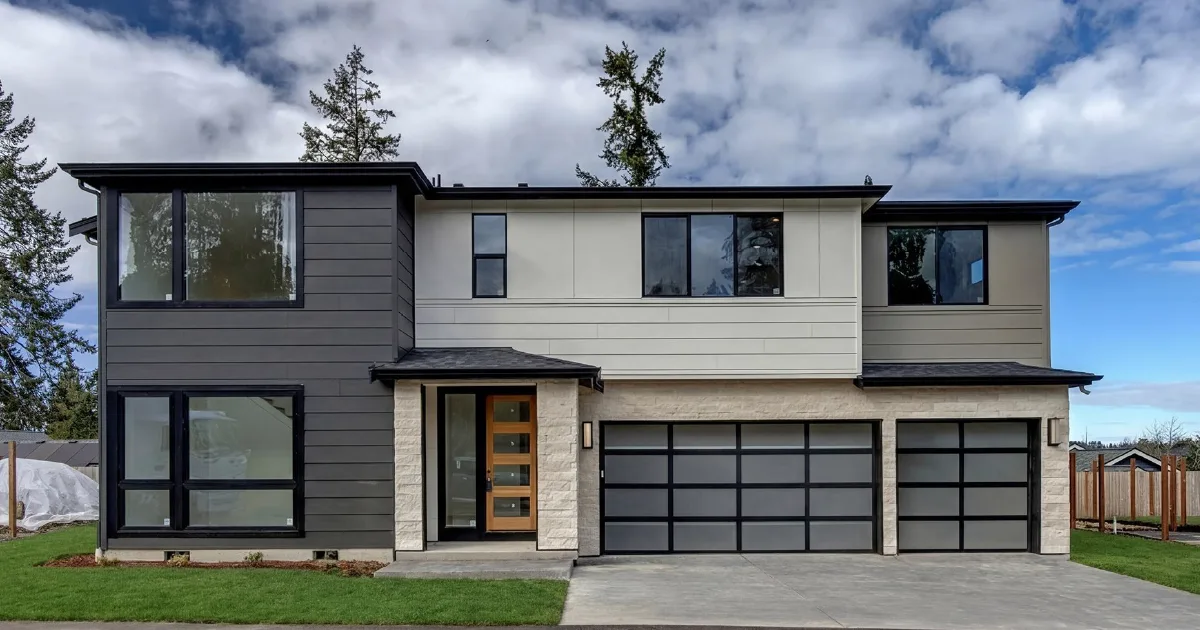
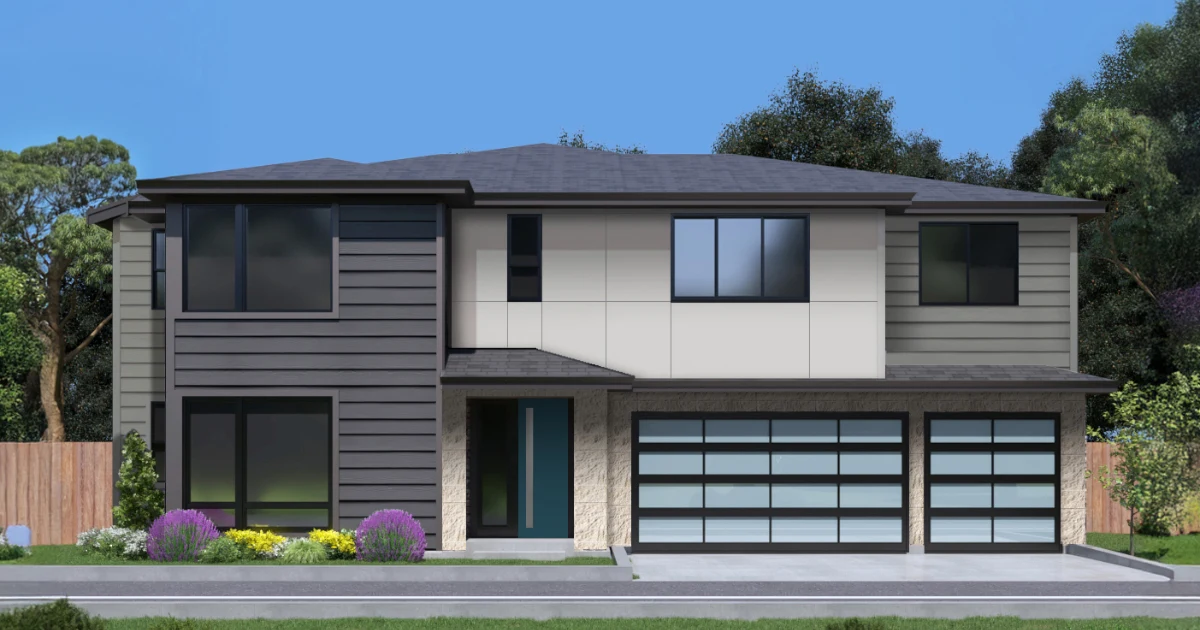
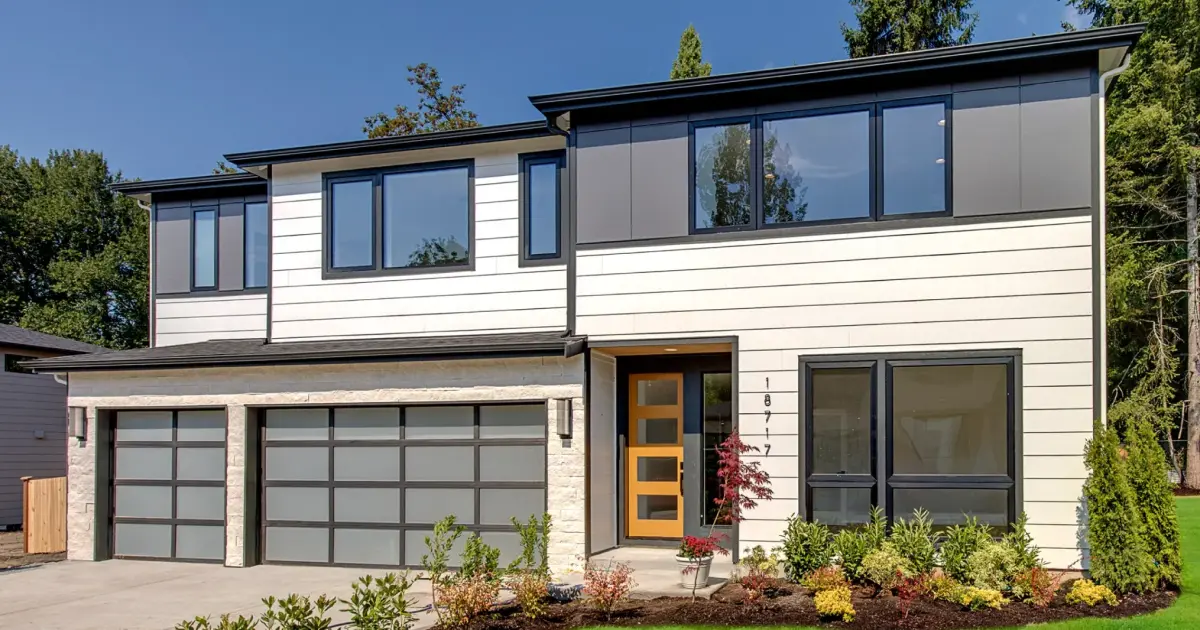
    In today’s changing real estate market, both buyers and investors are being much more careful about where and how they live. A home is no longer just a roof over your head; it’s a choice about how you want to live, a way to save money, and a place that should help you in the future. Condos and townhomes are still important parts of city life, but more and more smart buyers are looking for single-family homes for sale, and for good reason.

    Single-family homes are still one of the best and most rewarding housing options available today because they offer privacy, space, flexibility, and long-term value. The appeal of living in a single-family home has only grown as lifestyles change, more people work from home, and families look for more space.

    MSR Communities has been building homes with thought for over 10 years. They know what homeowners want now and what they will still want years from now. MSR Communities offers homes

    that have quiet streets and homes with big backyards. These homes are made to support real people, real growth, and real freedom.

    Let’s take a closer look at what makes single-family homes so special and why they might be the best choice for you.

    The Strength of Privacy: Living Alone Without Shared Walls

    Privacy is one of the best things about living in a single-family home. Single-family homes are different from condos or attached homes because they have real separation. There are no shared walls, ceilings above you, or hallways outside your door.

    Homeowners can feel the benefits of that privacy right away:

    • Less noise that bothers you
    • More freedom for individuals
    • A greater feeling of independence and ownership

    This one thing is a deal-breaker for many people who are trying to decide between a condo and a single-family home. You are in charge of your surroundings in a single-family home. You can live how you want, have guests over when you want, and use your space however you want, without worrying about neighbors who are only a few feet away.

    This amount of privacy is beneficial for:

    • People who work from home and need peace and quiet
    • Families with kids under 5
    • People who own pets
    • People who just want peace and quiet and their own space

    Privacy isn’t a luxury; it’s something that makes life better and affects daily comfort and long-term happiness.

    Space That Changes with You

    Space is private. It means more bedrooms for some people. For some people, it’s a home office, a workout room, or a flexible space that can change as their lives do. Single-family homes are great in this area because they give you room to grow in both ways.

    Single-family homes usually offer more than condos do:

    • More space inside
    • Several places to live and meet
    • Spaces for storing things
    • Driveways and garages that are private

    If you’re getting ready for a bigger family, want to live with multiple generations, or just want more space, single-family homes for sale near me often have a lot more usable space, both inside and outside.

    This flexibility lets homeowners change their homes over time instead of outgrowing them too quickly.

    Freedom Outside: Backyards That Are Yours

    Outdoor space is one of the best things about living in a single-family home that people don’t think about. Homes with big backyards let you live in a way that attached housing just can’t.

    A private yard can mean:

    • Barbecues with friends and family on the weekends
    • Safe, enclosed places for kids to play
    • Gardening, landscaping, or hobbies outside
    • Room for pets to run around
    • Room to relax, have fun, or even grow

    Your backyard is a natural extension of your home and the way you live. You can enjoy it however you want, unlike shared green spaces or courtyards managed by the HOA. No planning. No people. No compromises.

    Outdoor space is no longer just a “nice-to-have” for buyers; it’s now a “must-have.”

    Buying a single-family home is a smart investment.

    Single-family homes are still good long-term investments, even if they don’t offer any lifestyle benefits. In the past, they have tended to go up in value steadily and attract a wide range of buyers, which helps keep their resale value high.

    A lot of investors like single-family homes because they offer:

    • More demand in the market
    • Less turnover than rentals in crowded housing
    • Easier to sell again
    • Areas that are good for families have a lot of rental potential.

    It’s important to know the pros and cons of single-family homes, but when you look at them over time, the pros usually outweigh the cons. This is especially true if the home is in a well-planned community built for long-term living.

    Single-family homes are one of the few types of homes that offer both a good lifestyle and financial security.

    A clear comparison between a condo and a single-family home When people think about buying a condo or a single-family home, the differences become clear pretty quickly. Condos usually come with: Lower prices up front Fees for the HOA and shared upkeep Shared facilities Not much privacy Limitations on renovations and personal touches Single-family homes offer: More freedom and privacy No walls that touch Private space outside Freedom to make changes and renovations Usually, long-term appreciation is stronger. Condos might be good for some people who live in cities or only need a place to live for a short time, but most buyers want the freedom, comfort, and control that only a single-family home can give them.

    Community Makes the Difference, Even in Location

    A home is more than just a building; it’s part of a community. That’s why “best neighborhoods for families” is one of the most searched real estate terms year after year.

    Single-family homes are usually found in neighborhoods that are meant for long-term living. These neighborhoods offer:

    Residential streets that are quiet

    • Getting to schools, parks, and everyday things
    • A stronger feeling of connection to the neighborhood
    • Safer and more predictable places

    Many buyers also want gated communities because they offer extra safety, privacy, and peace of mind. These neighborhoods are great for families and people who want to stay in one place for a long time because they are well-planned, have controlled access, and a strong sense of community.

    You have the freedom to change things and make them your own.

    One of the best things about owning a single-family home is that it gives you freedom. You’re not just buying a place to live; you’re making a space that shows who you are and how you want to live.

    People who own single-family homes like:

    • Less strict rules about design and remodeling
    • The freedom to grow or change things
    • Control over the landscaping and outdoor areas
    • The ability to make the inside and outside of your home unique

    This level of freedom isn’t common in townhome or shared housing, and homeowners tend to value it more over time, not less.

    The MSR Communities Difference: Built for Today, Built for Tomorrow

    At MSR Communities, single-family homes are built with a purpose. Every floor plan, feature, and neighborhood layout is based on how people live now, but it also takes into account how their needs may change in the future.

    • We build in highly sought-after areas across Seattle and Texas—locations carefully chosen for their strong demand and family-friendly appeal.
    • Concentrates on layouts that are functional and adaptable
    • Puts quality building and long-term value first
    • Makes homes that are good for families, professionals, and investors.

    These properties aren’t made in large numbers. These homes are well-designed to support real lives, provide long-term comfort, and hold their value over time.

    In the end, why single-family homes keep winning

    In a real estate market that changes quickly, single-family homes are still a safe and steady choice. They give you privacy, space, flexibility, and long-term value. These are all important things to think about when you buy your first home, move up for your family, or make a smart investment.

    If you’re looking for single-family homes for sale or houses for sale in WA state, it’s important to look beyond short-term trends and focus on what will really help your lifestyle, comfort, and financial future.

    Move Forward with MSR Communities

  • 2026 Financial Resolutions for Buying a New Construction Home

    2026 Financial Resolutions for Buying a New Construction Home

    When a new year starts, it makes us stop and think about what really matters. What do we really want to achieve? For a lot of people, owning a home is the most important thing. It’s not enough to just have a roof over your head; you need to make a space where life can happen naturally. A place for family, friends, hobbies, and quiet time all at the same time.

    If you want to buy a home, 2026 might be the year to do it. But let’s be honest: it can be a lot to handle. It’s easy to get lost in the details when you have to think about budgets, loans, neighborhoods, and floor plans. That’s why it’s a good idea to think about your financial goals for buying a home first.

    Why a Resolution to Buy a Home Is Important

    Most of us make the biggest financial decision when we buy a house. And the truth is that it’s not just about money; it’s about how you live. Where will you feel at home? What will your daily life be like?

    Making goals for buying a house can help you stay on track. It shows you the way. It keeps you from making a decision that might not be good for your long-term goals too quickly.

    You can do the following with careful planning:

    • Be aware of what you can actually afford.
    • Choose between homes that are for sale and homes that are ready to move into.
    • Pick a neighborhood that works for you.
    • Choose a home that will work for you now and in the future.

    If you’re looking for new homes for sale in WA, or typing “single family homes for sale near me” or “newly built townhome,” starting early really helps. You can look at different options, think about the pros and cons of each one, and then make a confident choice when the right home comes along.

    Resolution 1: Know What You Can Pay

    First things first: your budget. Knowing what you can afford doesn’t mean you have to limit yourself. It means making room for a home that feels good without making your life too busy.

    Consider:

    • Your monthly income and bills that you have to pay
    • Any debts you already have
    • Costs that aren’t included in the price, like taxes, insurance, and upkeep

    It’s easier to narrow down your search once you have a realistic number in mind. Would you like a home that is for sale before it is built, so you have time to plan, save, and even pick out some finishes? Or would a home that is ready to move into work better, giving you peace of mind and a clear timeline?

    Both choices are good; it just depends on how much time you have, how comfortable you are, and what stage of life you’re in.

    Resolution 2: Make a savings plan that works

    The down payment is only one part of buying a home. There are costs for closing, moving, furniture, and maybe some upgrades along the way. It all seems possible when you have a plan for saving.

    Here’s an easy way to do it:

    • Set up a separate account just for buying your home.
    • Set up automatic small monthly payments
    • Keep track of your spending and cut back on things you don’t need.
    • In addition to your home savings, keep an emergency fund.

    This extra time can be very helpful for buyers who are looking at pre-sale communities like Twin Springs in Kenmore. You can save money, make plans, and still know exactly what home you’re working toward.

    Resolution 3: Look at Your Credit Early

    Your credit score affects how much you will have to pay for your mortgage. The good news is small changes can make a big difference.

    Think about:

    • Looking for mistakes on your credit report
    • Paying off debts when you can
    • Paying on time
    • Not taking on any new debt right before applying for a mortgage

    Even small steps now can give you more choices and maybe better rates in the future.

    Resolution 4: Think About the Big Picture

    It’s easy to think about the day you move in, but a home is more than just a week. Think about:

    • Will this house work for me in five or ten years?
    • Is there room for work, hobbies, guests, or a family that is growing?
    • Are the systems and materials made to last?
    • Do the outdoor spaces and layouts seem useful for everyday life?

    MSR Communities builds homes with the future in mind. Your home can change as your life does because it has natural light, flexible layouts, and long-lasting finishes.

    Note: The features, materials, and energy efficiency of each home are different.

    Resolution 5: Choose a Neighborhood That Works

    A house is more than just walls and a roof. Your location affects your daily life. Think about:

    • Getting to work and commuting
    • Schools and other services in the area
    • Parks, trails, and places for people to hang out
    • The overall feel of the area

    Home locations by MSR Communities have the best of both worlds: city life and family-friendly neighborhoods with lots of green space. Every day, your home feels like the right choice when you pick a neighborhood that fits your lifestyle.

    Resolution 6: Pick the Right Type of Home

    There are different types of homes that are good for different needs and budgets:

    Townhomes that are ready to move into right away are great if you want to be sure and get in right away.

    Pre-sale single-family homes are great if you want time to plan, make changes, and have bigger layouts.

    Mid-sized homes or townhomes are a good balance of price, space, and upkeep.

    Finding the right home isn’t about how many square feet it has; it’s about finding one that fits your life and your budget.

    Resolution 7: Start early and give yourself choices

    Getting started early lowers stress and gives you more options. You can:

    • Look at floor plans and layouts
    • Look at prices and features side by side.
    • Get pre-qualified or pre-approved for a loan
    • Put money aside for the down payment and closing costs.

    When the right home comes along, planning ahead will help you feel calm instead of rushed.

    Putting It All Together: A Simple Plan for 2026

    Here’s one way to plan your year of buying a home:

    • In January, go over your finances, credit, and savings plan.
    • February and March: Look at neighborhoods and what matters most to you in life.
    • Spring: Go to neighborhoods and look over the floor plans
    • Mid-Year: Get pre-approved and pick out your house
    • Fall: Make your final choices (for pre-sale) or set a date to move in (for ready homes).

    Moving in and enjoying your new home at the end of the year or early 2027

    This plan gives your planning a structure while still allowing for flexibility.

    Look into MSR Communities 

    MSR Communities build homes that are natural, bright, and made for how people live now. There is a home that fits your schedule and way of life, whether you want a townhome that is ready to move in or a single-family home that is already for sale. 

    We make places where people can make memories, reach goals, and grow as a community. We want to help you feel good about the choices you make, whether they’re about your money, your lifestyle, or your long-term plans. 

    Each house shows how much MSR Communities cares about quality, comfort, and smart design. We make places where important events happen and memories are made.

    Take the Next Step

    If buying a home is in your 2026 wishlist or resolution for 2026, then start looking now. Explore the homes in MSR Communities that are available now or will be available soon. Check out the floor plans and see how your budget can help you reach your goal. The right home is waiting for you, whether you want to move in right away or take advantage of a pre-sale.

    If you plan ahead and carefully, your journey to buy a home in 2026 can be smooth, fun, and completely in line with your life.

    (Disclaimer: This article is only for informational purposes. Please talk to a qualified professional to get advice that is specific to your situation.)

  • Weekend Escapes from Kenmore: Explore Washington’s Wonders

    Weekend Escapes from Kenmore: Explore Washington’s Wonders

    Kenmore is a great place to live because it has the best of both worlds: it’s close to some of the most beautiful places in the Pacific Northwest and has all the comforts of the suburbs. Kenmore is a great place to start many adventures on the northern shores of Lake Washington. There are a lot of places to see in the area, from quiet lakeside retreats to hard mountain trails. If you want to get away for the weekend in Washington, Kenmore is a great place to start. There are so many things to do in Washington state that you’ll never run out of fun, adventure, and learning opportunities.

    Why Weekend Trips Are Important

    Weekend getaways are more than just short trips. They are important breaks for your mind and body. Taking a break from your normal routine after a busy week can help you recharge, reconnect with nature, and spend time with people you care about. Washington state is in a unique position to provide this balance. Within a few hours’ drive, you can get to mountains, beaches, forests, and busy cities. Washington has a lot of different landscapes and things to do, so every trip will be special, whether you want to have fun or just relax.

    How to Find the Best Vacation Spots in Washington State

    Washington has some of the best places to go on vacation, and each one is unique in its own way. If you love nature, you have to see the Olympic Peninsula. When you’re in the rainforests, along the dramatic coast, or on the snow-capped peaks, it feels like you’re in a different world. You will be amazed and feel better after walking along Ruby Beach or hiking through the Hoh Rainforest.

    People who like to explore cities can easily drive from Kenmore to Seattle. This weekend in Washington state, you can do a lot of fun things, like go to the famous Space Needle or Pike Place Market. People who want to learn about culture will never be bored because there are museums, art galleries, and places to hear live music.

    There are a lot of vineyards and tasting rooms in Walla Walla, so it’s a great place for wine lovers. A weekend of tasting local wines while looking at the rolling hills is a great way to relax. Leavenworth, on the other hand, has buildings in the Bavarian style and is in the mountains, so it feels like a European vacation without leaving the state.

    Fun Things to Do in Washington State

    There are so many fun things to do in Washington state that you’ll never run out of ideas. People who like being outside can hike up Mount Rainier, kayak on Lake Union, or ski at Stevens Pass. There are always new things to do on the weekends, no matter what time of year it is.

    Families will have a lot of fun at the Woodland Park Zoo or the Seattle Aquarium. Kids can learn and have fun at both places. Couples might enjoy a romantic trip to the San Juan Islands, where they can go whale watching and on sunset cruises that will stay with them forever.

    The Wenatchee River is great for whitewater rafting, and Mount St. Helens has caves to explore. Walking through lavender fields in Sequim or going to a spa in Snoqualmie can help you relax and feel better if you want to take it easy.

    Things to Do This Weekend in Washington State

    If you want to do something this weekend in Washington state, start by looking for seasonal events. In the spring, tulip festivals in Skagit Valley draw people in with their bright flowers. In the summer, going to outdoor concerts, farmers’ markets, and camping trips are all fun things to do on the weekends. There are harvest festivals, apple picking, and beautiful drives through trees with colorful leaves in the fall. On weekends in the winter, you can ski, snowshoe, or just relax in a warm cabin.

    It’s easy to get to these things from Kenmore. You can hike in the Cascades, go out at night in Seattle, or relax by Puget Sound in less than an hour. It’s easy to go on last-minute trips when you’re close by, which makes your weekends more fun.

    Washington Weekend Getaways: From the Mountains to the Beach

    There are so many great places to go on the weekends in Washington. If you want to breathe in mountain air, go to Mount Rainier National Park. There are hiking trails for people of all skill levels on the tall peak, which is surrounded by meadows and glaciers. Sunrise and Paradise are two well-known spots in the park where you can see the beautiful views.

    The Olympic Peninsula has rough beaches and cute towns that are perfect for a weekend by the sea. Port Townsend is a great place to stop because it has Victorian buildings and a history of shipping. The sandy beaches in Ocean Shores are great for flying kites, riding horses, or just relaxing by the waves.

    Island getaways are just as lovely. You can take a ferry to the San Juan Islands, where you can kayak, bike, and see wildlife. Orcas Island and Lopez Island are both special in their own ways. They both have busy towns and quiet places to relax.

    The land in eastern Washington is very different. It has rolling hills, vineyards, and sunny weather, which makes it a great place to taste wine and go for long drives. Spokane, with its parks along the river and cultural attractions, is another fun place to visit in the state.

    Creating memories that will last

    The best thing about a weekend getaway is making memories. First, think about what you want to get out of your trip. Do you want to unwind, go on an adventure, learn about a new culture, or hang out with your family? Once you know what your goal is, choose places to go that fit with it. Plan hikes in the Cascades or kayaking trips in Puget Sound if you want to have fun. If you want to relax, book a cabin in the woods or a spa getaway.

    Adding local culture makes the experience better. Visit museums, festivals, or old places. Another way to learn about the area is to eat the local food. Washington has a lot of tasty foods, like fresh seafood in coastal towns and artisanal cheeses in rural areas.

    How to Plan a Weekend Trip

    If you want to leave Washington for the weekend, you need to plan ahead. Check the weather first, since it can be very different in different places. Bring the right things, like hiking gear, beach clothes, or warm clothes for a trip to the mountains.

    Book your accommodations ahead of time, especially during busy times. Leavenworth and the San Juan Islands are two well-known places that fill up fast. Instead of a hotel, you could stay in a vacation rental, a bed-and-breakfast, or a campsite for a different kind of vacation.

    Transportation is another thing to think about. Ferries to the islands can get busy, so be sure to plan your time well. Some of the roads you drive on might be scenic byways, so plan on spending more time on the road.

    Lastly, check to see if your plans are balanced. It’s natural to want to do as much as possible, but leaving room for things to happen on their own often leads to the best memories.

    The Fun of Discovering Your Own Area

    The best getaways are sometimes very close to home. There are many places to relax and have fun in Kenmore itself. You don’t have to go far to take a break. You can walk along the Burke-Gilman Trail, kayak on Lake Washington, or go to local cafes. Bothell and Kirkland are two nearby towns with cute downtowns and waterfronts where you can do a lot of different things.

    When we go out and explore our own area, we remember that there are fun things to do in Washington state that don’t require long drives. You can enjoy mini-vacations that fit right into your weekend routine by taking advantage of the fun things to do near you.

    The end Washington state has a lot to offer, like busy cities, beautiful mountains, and quiet coastlines. There are a lot of places in Washington where people who live in Kenmore can go on weekends. Washington state has a lot of places to visit that will meet your needs. You can have fun in the Cascades, relax on the Olympic Peninsula, or learn about the culture in Seattle.

    There are so many things to do in Washington state that every weekend can be a new adventure. There is always something to do in the state because it is so diverse. You can go to seasonal festivals or take a last-minute road trip. You can make memories that improve your life and strengthen your ties to the area by going to the best vacation spots in Washington state.

    If you ever need ideas for things to do in Washington this weekend, keep in mind that Kenmore is the way to get to great things. Pack your bags, make a plan, and go on a trip that shows off the beauty and spirit of Washington. Every escape, no matter how big or small, is a chance to learn something new and be thankful for how beautiful your home is.

  • What Is a Contingent vs. Pending Offer in Real Estate?

    What Is a Contingent vs. Pending Offer in Real Estate?

    One of the biggest financial decisions most people make is buying or selling a home, and the process is full of technical terms that can be hard to understand. “Contingent” and “pending” are two of the most misunderstood words. These two statuses come up a lot in property listings, so it’s important for buyers, sellers, and investors to know what the difference is between pending and contingent. They show where a deal stands and if there are still chances to make an offer.

    What does “contingent” mean in real estate?

    If you see a listing that says “contingent,” it means that the seller has agreed to sell the house to a buyer, but only if certain conditions are met. These conditions are called real estate contingencies, and they protect the buyer. If the contingencies aren’t met, the deal could fall through and the house could go back on the market.

    For instance, an inspection contingency lets the buyer back out if the home inspection shows that there are major issues. An appraisal contingency protects both the buyer and the lender by making sure that the property’s value is equal to or greater than the agreed-upon purchase price. A financing contingency gives the buyer time to get their mortgage approved, while a sale-of-current-home contingency makes the purchase depend on the buyer selling their current home.

    In short, “contingent” means that the home is under contract but isn’t safe yet. The deal is weak, and the property won’t close until those conditions are met.

    What Does Pending Mean When a House Is for Sale?

    When a listing says “pending,” on the other hand, it means that all conditions have been met or waived. At this point, the buyer and seller are just waiting for the last steps, like signing papers, transferring the title, and closing. Pending means that the deal is much closer to being done than contingent. The sale is not technically closed, but it is much less likely to fall through.

    This difference matters to buyers who are looking at listings. A pending home is basically off the market, but a contingent home still has some questions about it.

    Under Contract vs. Waiting

    People often use the words “under contract” and “contingent” to mean the same thing. It means that the seller has agreed to the offer, but the deal is not set in stone. In real life, “under contract” means that contingencies are still in effect, and “pending” means that contingencies have been resolved and the deal is waiting to close.

    So, the difference between “under contract” and “pending” is when the deal is made. Under contract means that the two parties have come to an agreement, but pending means that they are still working out the details. To know if they can still compete for the property, buyers need to understand this difference.

    Can you beat a pending offer?

    One of the most common questions buyers ask is if they can come in and outbid an offer that is already on the table. It depends on the situation. If a home is contingent, you can often make a backup offer on it. If the main buyer doesn’t meet the conditions, your offer may go through.

    But if the house is pending, it’s a lot harder. Most sellers stop taking offers once a home is under contract. If something unexpected happens before closing, backup offers may still be considered, but in most cases, outbidding a pending offer is unlikely.

    This is why you should pay close attention to contingent listings. They are chances that could come back if the first deal falls through.

    Why Real Estate Contingencies Are Important

    Contingencies are an important part of the buying process because they keep buyers safe from problems that come up unexpectedly. Sellers might not like them because they make things less certain, but they are normal in most deals.

    There are even subcategories of contingent status that make it clear how much freedom is still available. For example, “Contingent – Continue to Show” means that the seller is still showing the house and is open to backup offers. “Contingent—No Show” means that the seller has stopped showing the house and is waiting for contingencies to be met. “Contingent – Kick Out” lets the seller “kick out” the buyer if a better offer comes in, unless the buyer quickly removes their contingency.

    These small differences are why “contingent” doesn’t always mean the same thing in real life. To know if they still have a chance, buyers should pay attention to the type of contingent status.

    Pending vs. Contingent: What’s the Difference?

    In short, the difference between pending and contingent is that one is based on conditions and the other is based on certainty. Contingent means that the offer is accepted but with conditions, while pending means that the conditions have been met and the deal is almost done.

    Contingent listings are often a chance for buyers. Most of the time, backup offers are okay, but there is a moderate to high chance that the deal will fall through. On the other hand, pending listings are usually not available. The chance of a collapse is low, and sellers don’t often consider new offers.

    Knowing this difference helps buyers know what to expect and sellers know how safe their deal really is.

    What Buyers Should Know

    For buyers, knowing the difference between pending and contingent is more than just a matter of words. It has a direct impact on strategy. You might still want to go after contingent listings with a backup offer, but pending listings are usually not available. Don’t ignore homes that are contingent if you’re really interested in one. If the first buyer doesn’t follow through, they might go back on the market.

    Pending homes, on the other hand, are good for keeping an eye on market trends. They show which homes are selling quickly and can help buyers figure out how competitive a neighborhood is.

    Why Sellers Should Care

    For sellers, contingent offers are risky. If the buyer can’t get the money or the inspection shows problems, the deal is off. That’s why some sellers like cash offers or fewer contingencies, which make things less uncertain.

    On the other hand, pending status is a good sign. It means the deal is almost done, and the seller can be sure that everything is ready for closing. Sellers can better manage their expectations and make plans when they know the difference

    Can you make a backup offer on a house?

    It’s often a good idea to make a backup offer on a house. If the main deal falls through, you’re next in line. When you’re in contingent status, backup offers are common and often accepted. Backup offers are less common in pending status, but they are sometimes thought about.

    It doesn’t cost much to submit a backup offer, and it can help buyers stand out in tight markets. They are very helpful in places where homes sell quickly and there is a lot of competition.

    Problems and Risks

    Real estate deals are complicated, even though the terms “contingent” and “pending” sound simple. Financing problems, unexpected inspection results, or appraisal gaps often cause contingent deals to fall through. Deals that are still pending don’t often fall through, but when they do, it’s usually because of last-minute money or title issues.

    Seeing a dream home with a “pending” sign on it can feel like a dead end for buyers. For sellers, contingent deals can be stressful because they take longer and might not go through. Knowing about these risks helps both sides get ready for what might happen.

    Example in real life

    Picture a buyer making an offer that is only good if they sell their current home. The seller agrees, and the listing now says “contingent.” If the buyer sells their house and gets a loan, the status changes to “pending.” At this point, the deal is almost done, and other buyers can’t come in and take it.

    But if the buyer doesn’t sell their house, the deal falls through and the property goes back on the market. This example shows how contingent deals can change to pending or fall through completely.

    Final Thoughts

    To be able to buy and sell real estate, you need to know the difference between contingent and pending. If something is contingent, it means that it is conditional, still vulnerable, and that backup offers are possible. Pending means that all the conditions have been met, the deal is almost done, and backup offers are rare.

    For buyers, contingent listings are a chance to buy. For sellers, being in pending status means safety. In short, “maybe” means “contingent,” “almost yes” means “pending,” and “done deal” means “closed.”

  • Trio at Inglewood Pre-Sale: Quick Tour & Buying Insights

    Trio at Inglewood Pre-Sale: Quick Tour & Buying Insights

    There’s something special about Kenmore that’s hard to explain until you spend time here.

    It’s in the quiet mornings near Lake Washington, where nature and everyday convenience exist in perfect balance. For many people, Kenmore isn’t just a place to live—it’s a place where life feels more grounded.

    That feeling is what inspired Trio at Inglewood, a small collection of newly built single-family homes designed for people who want more than just square footage. These homes are for those thinking about how they’ll live—not just today, but years from now.

    If you’ve been searching for pre selling homes for sale in Kenmore, WA, this guide is meant to help you understand what makes Trio at Inglewood unique—and whether it might be the right fit for your next chapter.

    A Thoughtful Addition to the Kenmore Community

    Trio at Inglewood is an intimate community of three luxury single-family homes, located near Inglewood Golf Club and Lake Washington. Rather than being part of a large development, these homes were intentionally designed as a small, boutique offering—giving buyers a sense of privacy, space, and individuality.

    Each home includes:

    • Approximately 3,781–3,813 square feet
    • 5 bedrooms
    • 4 bathrooms
    • A 3-car garage
    • Fully fenced lots over 6,700 square feet

    What stands out most, though, isn’t just the size—it’s how the homes are laid out and how easily they support everyday life.

    Why Buyers Are Drawn to Kenmore, WA

    For buyers looking at single-family homes for sale or new homes for sale, Kenmore often rises to the top of the list for good reason.

    A Location That Feels Balanced

    Kenmore offers a rare mix of calm and connection. You’re close to outdoor spaces like parks, trails, and the lake, but you’re also within reach of major routes like I-405 and Highway 522. That makes daily commutes, school drop-offs, and weekend plans easier to manage.

    A Strong Sense of Community

    The area is part of the Northshore School District, known for its commitment to education. Add nearby recreation, local shops, and neighborhood events, and Kenmore feels like a place where people truly settle in—not just pass through.

    Limited New Construction

    Newly built homes are less common in this area, which makes communities like Trio at Inglewood especially appealing for buyers who want modern design without giving up location.

    What It Means to Buy a Pre-Sale Home

    If you’re new to the idea of pre-sales, you’re not alone. Many buyers searching pre-selling homes near me are simply trying to understand how the process works.

    A pre-sale home is typically purchased before construction is fully complete. Buyers review floor plans, design details, and timelines to understand what the finished home will look like.

    While every experience is different, pre-sale buyers often appreciate:

    The chance to understand the home’s design from the beginning

    Early access to limited inventory

    The possibility of selecting finishes, depending on timing

    As with any purchase, it’s important to review details carefully and work with professionals who can guide you through the process.

    Homes Built for How People Really Live

    One of the best things about Trio at Inglewood is how well-planned the homes are. These new construction homes are made to adopt the changing needs, and long-term comfort.

    You will find the following in all three floor plans:

    • A bedroom and bathroom on the main level
    • Living spaces that are open and connected
    • Quiet places to rest and be alone
    • Rooms that can change as your life changes

    Let’s look at each plan in more detail.

    Plan 3781: Easy to live in, comfortable, and balanced

    3,781 square feet, 5 bedrooms, 4 bathrooms, and a 3-car garage

    From the moment you walk in, Plan 3781 feels like home.

    Entry Level: Easy Flow, Everyday Comfort

    The entry floor starts with a welcoming foyer that leads right into the heart of the house. The kitchen, dining room, and great room are all connected, but it doesn’t feel too busy. You can cook, talk, relax, and host without feeling like you’re in a crowded space.

    The kitchen includes under-cabinet lighting and toe-kick lighting, small details that make a noticeable difference during early mornings or quiet evenings.

    One of the most valued features of this floor plan is the entry-level guest suite with a full bathroom—perfect for multigenerational living. Making it ideal for visiting family, long-term guests, or even a private home office. It offers flexibility without forcing future changes.

    Upper Level: Space to Unwind

    Upstairs, the home shifts into a quieter, more personal zone. The primary bedroom feels calm and private, with a bathroom designed for everyday ease—including a jetted tub and bidet.

    Additional bedrooms are thoughtfully sized and placed, and the bonus room offers extra flexibility. It could be a playroom, a media space, or simply a place to relax at the end of the day.

    Plan 3781 Summed up:
    It feels balanced. Nothing feels wasted, and nothing feels cramped. It’s a layout that works well for many stages of life.

    Plan 3813 Summed up: Open, Light-Filled, and Welcoming

    Plan 3813 encourages openness while still making it clear where shared and private spaces are.

    The main level is a place to meet

    The kitchen, dining room, and great room all flow together in an open and bright living area. The house gets a lot of natural light from the big windows and the fact that it has a patio. This makes it feel like it’s connected to the outside.

    The main-level bedroom and bath are positioned to offer privacy, making them ideal for guests or extended family.

    The kitchen is designed to be as functional as it is beautiful. It offers generous workspace, smart lighting, and clear sightlines so you can stay connected while cooking or entertaining.

    Upper Level: Flexible and Functional

    Upstairs, the primary suite provides a peaceful retreat, while the additional bedrooms and bonus room support a wide range of needs—from working at home to movie nights or homework time.

    An open-to-below feature adds visual interest and allows light to move through the home, giving it an airy, connected feel.

    Why buyers often like Plan 3813:
    It feels open without feeling exposed. It’s especially appealing for people who enjoy hosting or spending time together at home.

    Plan 3813-R: A Familiar Layout with a Fresh Perspective

    Approx. 3,813 sq. ft. | 5 Beds | 4 Baths | 3-Car Garage

    Plan 3813-R offers the same thoughtful design as Plan 3813, but with a reversed orientation.

    Main Level: Designed to Fit the Lot

    The reversed layout allows the home to respond differently to light, privacy, and outdoor space. While the rooms remain familiar, the experience of moving through the home feels slightly different—sometimes making a big difference depending on personal preference.

    Upper Level: Consistency You Can Trust

    The upstairs layout mirrors Plan 3813, with a comfortable primary suite, flexible bonus room, and well-placed bedrooms and laundry.

    Why buyers often like Plan 3813-R:
    It offers the same functionality as Plan 3813 while giving buyers an option that may better suit the lot or their lifestyle.

    Living Across Generations—Now and Later

    Trio at Inglewood’s floor plan better fits the mindset for multigenerational living.

    With bedrooms and bathrooms on both levels, these homes can support:

    • Aging parents who prefer fewer stairs
    • Adult children living at home
    • Long-term guests

    The layouts allow people to live together while still maintaining independence and privacy.

    Modern Features That Support Daily Life

    These homes include features that are modern and practical:

    • Ring doorbell systems
    • EV charger readiness
    • Thoughtful lighting throughout the home

    They’re designed to support how people live today while remaining adaptable for the future.

    Outdoor Space That Feels Usable

    Each home sits on a fully fenced lot over 6,700 square feet. That extra space allows for gardening, play, relaxation, or entertaining—without feeling exposed.

    It’s space that feels intentional, not leftover.

    First-Time Home Buyer Tips

    If you’re seeking guidance for first-time home buyers, it’s important to understand that new construction home, with its modern systems and layouts that align with today’s lifestyles, can provide you with a sense of confidence.

    That being said, each buyer’s journey is unique. Always work with people who know what they’re doing and look over all the details carefully.

    Is Trio at Inglewood the right place for you?

    Trio at Inglewood is a set of 3 well-planned single-family homes just minutes from Kenmore. It feels tucked away and private, yet still close to the places you rely on every day. Inside, the homes are designed with flexibility in mind—spaces that can shift as life does, whether that means welcoming family, setting up a home office, or adjusting to new routines over time.

    The community itself is what really stands out. The neighborhood is intentionally small, which makes it feel more personal and quiet. The streets aren’t meant to handle a lot of traffic; they’re meant for everyday life. There is a clear feeling that this is a place that will age well, with a focus on comfort and livability rather than trends. You can easily picture yourself living here and feeling at home.

    Discover the homes for sale at Trio at Inglewood.

    If you’re looking for homes for sale in KenmoreWA, Trio at Inglewood is a rare chance to live in a modern home in a place that feels personal and well thought out.

    We encourage you to explore each home, check out the floor plans, and see if Trio at Inglewood fits with the life you want to live. 


  • What does it mean to have a mortgage with an adjustable rate?

    What does it mean to have a mortgage with an adjustable rate?

    An adjustable rate mortgage (ARM) is a type of home loan in which the interest rate changes every so often, usually after a set amount of time. ARMs are based on how the market is doing and can change over time. With fixed-rate mortgages, the interest rate stays the same for the life of the loan.

    You should know what ARMs are if you’re thinking about getting a mortgage for a new house or comparing fixed-rate and adjustable-rate mortgages. This guide explains how adjustable rate mortgages (ARMs) work, what their pros and cons are, and how to find the best ones for your needs.

    How to Figure Out Adjustable Rate Mortgage Rates

    An ARM has a lower interest rate at the beginning than a fixed-rate loan. This first rate is usually set in stone for a set amount of time, which is usually three, five, seven, or ten years. After that, the terms of the loan can change. This means that the interest rates on adjustable mortgages change based on a benchmark index, such as the Secured Overnight Financing Rate (SOFR) or the U.S. Treasury rate.

    For example, a 5/1 ARM means that the loan’s interest rate stays the same for the first five years and then changes every year. To find the adjustment, add a margin (given by the lender) to the index rate. There are usually limits in place to keep the rate from going up too much at each adjustment and over the life of the loan.

    Fixed Rate vs. Adjustable Rate Home Loan

    The main difference between fixed-rate and adjustable-rate mortgages is how easy it is to guess what will happen. With a fixed-rate mortgage, your monthly payments stay the same for 15, 20, or 30 years. This keeps them stable. ARMs, on the other hand, have lower initial payments but the risk of higher payments later on.

    A fixed-rate mortgage is a good choice for people who want to stay in their homes for a long time and value stability. An adjustable rate mortgage is a better choice if you plan to move, refinance, or sell before the adjustment period starts. If you buy a new home and want to move up in five years, for example, an ARM could save you money over the first few years. A fixed-rate loan would be better if you want to live there for a long time, though.

    The Best Adjustable Rate Mortgages

    The best adjustable rate mortgages are those that are both safe and affordable. Buyers should choose ARMs with low initial rates because these lower payments during the fixed period. It’s also important to have reasonable margins because when rates go up or down, smaller margins mean smaller changes. There are limits on how much rates can go up, both every year and over the life of the loan. Finally, lenders should be honest about how they set and change rates.

    Lenders often sell ARMs to people who are buying new homes because the lower initial payments can make bigger homes more affordable. You should look at offers from banks, credit unions, and mortgage brokers to get the best deal.

    How adjustable-rate mortgages work

    Economic indexes affect the interest rates on adjustable-rate mortgages. Your mortgage rate goes up when the benchmark index goes up and down when it goes down. This means that the amount you pay each month can change a lot over time.

    If your ARM is tied to the Treasury index and rates go up by one percent, your mortgage rate will go up by that amount plus the lender’s margin. But if rates go down, your payments might go down too. It can be helpful when rates are going down, but it can be risky when rates are going up.

    Rates for ARMs and new construction home loans

    Builders often talk about new construction home mortgage rates with ARMs because they make homes that cost more reasonable in the first few years. While the house is being built and for the first few months after they move in, buyers pay less.

    For instance, a buyer who chooses a 7/1 ARM for a $600,000 new construction home may have payments that are much lower for seven years. If they plan to sell or refinance before the adjustment period, they don’t have to worry about rates going up. Many buyers use this method when they think they will be moving jobs, changing families, or getting better things soon.

    Pros of Mortgages with Changing Rates

    There are a lot of good things about ARMs. The best thing about them is that the first payments are cheaper because the rates for the first few months are usually lower than those for fixed-rate loans. This makes them attractive to buyers who want to get the best deal they can right away. ARMs are also flexible, so they’re great for people who don’t plan to stay for a long time. You might also be able to save money, which is another possible benefit. Your payments could go down if market rates go down. Finally, ARMs can help you get a mortgage on a bigger home or a new property because they lower your monthly payments, which gives you more money to spend.

    What You Should Know About Adjustable Rate Mortgages

    But there are also risks that come with ARMs. The biggest worry is not knowing how much you’ll have to pay because rates can go up and make monthly payments higher. Another worry is that payments are based on things you can’t control in the market. It can also be hard to understand the terms of ARMs because they have margins, limits, and indexes. Lastly, many buyers think they need to refinance before things change, but this may not always be possible if rates go up or credit conditions change. These risks show how important it is to carefully look at both fixed-rate and adjustable-rate mortgage options.

    Who Should Consider an ARM?

    ARMs are good for buyers who want to sell or refinance during the fixed-rate period. They are especially attractive to investors who buy rental properties with short-term goals because lower payments improve cash flow. Families who buy new homes with plans to remodel them soon may also benefit, since ARMs make the homes affordable for the first few years. Lastly, ARMs are a good choice for people who are sure they can handle the possibility of higher payments.

    If you don’t want to take risks or want to stay for a long time, fixed-rate loans might be the best choice for you. But ARMs can be good if you want more choices and lower starting costs.

    For instance: A Comparison of ARM and Fixed Rate

    Imagine that two people buy a house for $500,000. Buyer A chooses a 30-year fixed-rate mortgage with an interest rate of 6.5%. They pay about $3,160 every month. Buyer B chooses a 5/1 ARM with a 5.25% interest rate. They have to pay $2,760 a month for the first five years. After that, the rate goes up every year. If rates go up to 7%, they might have to pay $3,330 more.

    This example shows the trade-off between stability and possible savings when you compare fixed-rate and adjustable-rate mortgages.

    How to Find the Best Adjustable Rate Mortgages

    To get the best adjustable rate mortgages, think about your schedule, the state of the market, the loan terms, and any incentives the builder might offer. Your schedule is important because ARMs work best if you plan to move or refinance before the rates go up. Knowing what the market is going to do is important because rates that go up can make payments go up, and rates that go down can make payments go down. Your loan terms, such as caps, margins, and indices, determine how much your payments can change. Builder incentives, especially for new construction house mortgage rates, could make ARMs more attractive.

    To get the best rates, you should talk to mortgage consultants and look at a few different lenders.

    Current Market for Adjustable Rate Mortgages

    ARMs are becoming popular again in 2025 because fixed mortgage rates are going up. A lot of buyers want lower initial rates, especially on new homes. But it’s more important than ever to know the risks of adjustable mortgage interest rates right now because the economy is so unstable. Buyers should think about how much money they could save and how much their payments might go up in the future.

    Final Thoughts

    An adjustable rate mortgage is a good choice for people who want to buy a new home because it is flexible, has lower initial payments, and is easy to get. But it also has risks that come with changes in the market. Buyers can make smart choices by learning about adjustable rate mortgage rates, comparing fixed rate and adjustable rate mortgage options, and looking for the best adjustable rate mortgages.

    At the end of the day, ARMs are not the same for everyone. They are best for people who want to stay in their home for a short time, are sure they can handle payments that change, and have a clear plan for refinancing or selling before the changes happen. For some people, fixed-rate loans may be the long-term solution they need to feel at ease.

  • How much earnest money do you need to buy a new home?

    How much earnest money do you need to buy a new home?

    It’s exciting to buy a new constructed home. You’re not simply buying a house; you’re putting money into a future that is created from the ground up to fit modern life. But before building starts or contracts are signed, there is one critical financial step: earnest money.

    This tutorial will explain everything you need to know about earnest money when buying a house, including how much you need and what happens to it at closing. We’ll talk about what earnest money is used for in new construction, how it protects both buyers and builders, and what to look for in your earnest money agreement.

    What Is the Money You Need to Buy a House?

    Earnest money is like a good-faith deposit. It lets the builder or seller know that you really want to buy the house. When you sign a purchase agreement, you must put earnest money into an escrow account that is controlled by a third party who is not involved in the deal, like a title firm or lawyer.

    Think of it as a promise to pay. Putting down earnest money shows that you’re not just looking around; you’re ready to go through with the deal. This payment is especially crucial for new construction homes because builders often start planning and putting money into the project as soon as contracts are signed.

    How Much Money Do You Need Up Front?

    The amount changes based on the builder, the region, and the state of the market. Most of the time, earnest money for a new construction home is between 1% and 5% of the buying price. If you were buying a $400,000 house, for example, you could put down between $4,000 and $20,000. In competitive markets, builders may ask for bigger deposits to make sure purchasers are serious. Some high-end builders or custom house projects may ask for much more, sometimes up to 10%. Your earnest money agreement will spell out the actual amount, so make sure you read it carefully.

    Why earnest money is important for new construction

    When builders construct a new home, they are taking on a lot of risk. They plan your work, materials, and time based on how committed you are. If you give them earnest money for new building, they will know you won’t just walk away.

    Buyers also benefit from earnest money. It locks in the agreed-upon price and guarantees your spot in the building schedule. If the market is going up, this can save you thousands of dollars compared to waiting and buying later.

    How to Put Down Earnest Money

    After you sign the purchase contract, you need to put earnest money into an escrow account. This makes sure that the money is safe until closing. Escrow protects both sides: the builder knows you’re serious, and you know your money won’t be wasted.

    Different ways to pay. Some buyers provide a check, while others send money directly. Always check the provisions of the escrow in your earnest money agreement to avoid fraud or misinterpretation.

    What Happens to the Earnest Money When You Close?

    A lot of buyers want to know what happens to earnest money when the deal is done. The good news is that earnest money isn’t an added cost; it goes toward your purchase. The deposit goes toward your down payment or closing expenses when you close. For instance, if you owe $20,000 as a down payment and have already put $10,000 in earnest money, you only need to deliver the last $10,000. Because of this, earnest money is a very important aspect of your total financing plan. It doesn’t get lost; it only moves from escrow to your property purchase.

    The Agreement for Earnest Money

    The terms of the deposit are spelled out in your earnest money agreement. It says how much is needed, when and how it must be paid, when it can be returned, and how it will be used at close. Agreements for new building often have conditions that must be met. You might be able to get your money back if the builder doesn’t finish the house on time or doesn’t follow the agreed-upon plans. On the other hand, the builder may keep the deposit if you back out without a good cause.

    Returns and losses

    One of the major worries customers have is that they may lose their good faith money. It depends on the conditions in your contract. If financing falls through despite your best efforts, if the builder doesn’t produce as promised, or if inspections show severe problems, you may be able to get your money back. If you change your mind without a good reason, miss dates in the agreement, or don’t get financing because you weren’t careful, you may lose your deposit. This is why it’s so important to read your earnest money agreement thoroughly. It keeps you from losing money you didn’t expect to.

    Earnest Money vs. a Down Payment

    A lot of purchasers mix up earnest money with a down payment. Even though both are part of the transaction, they have different uses. Earnest money is a deposit that shows you are serious about buying the house and is held in escrow until the closing. A down payment is a bigger payment paid at closing that lowers the loan amount. The money you put down as earnest money will eventually go toward your closing fees or down payment. So even though they are different, they work together to get the money.

    How to Handle Earnest Money for New Construction

    It’s important to make a budget early. Include earnest money in your savings strategy so that the deposit requirement doesn’t surprise you. It’s also vital to know what conditions you need to meet in order to get a refund. Working with renowned builders makes ensuring that contracts are clear and escrow processes are safe. Keeping records like receipts, contracts, and escrow confirmations gives you piece of mind. Lastly, don’t be afraid to ask questions. Knowing what earnest money is when buying a house and how it applies to your circumstance will help you feel more at ease during the process.

    Earnest Money in Competitive Markets

    In cities with a lot of demand, like Seattle, Austin, or Denver, builders may ask for bigger deposits. When there is a lot of competition, buyers generally want to know how much earnest money they need. In these situations, putting down additional earnest money might make your offer stronger and show that you are serious. But balance is very important. Don’t push yourself too much. Make sure the amount fits your budget and is safe because of the eventualities in your earnest money agreement.

    Things People Get Wrong About Earnest Money

    A lot of buyers think that earnest money is an added cost. In reality, it goes toward your purchase. Some people think it’s always refundable, but it depends on the terms of the contract. People also often think that earnest money is the same as a down payment. They are connected, yet they have different uses. Knowing these differences will help you confidently go through the procedure.

    Why earnest money makes people trust you

    At its heart, earnest money is a way for the buyer and builder to trust each other. This trust is important for new construction. Builders put in money and time long before you move in, and buyers put in money long before the property is finished. Putting down earnest money makes you a partner. Both sides know the other is serious, which lowers the risk and makes transactions go more smoothly.

    Last Thoughts

    It’s exciting to buy a new built home, but there are some special financial measures you need to do. Knowing what earnest money is when buying a house, how much you need, and what happens to it at closing will help you become ready.

    The earnest money agreement is the plan for this process. It explains how earnest money for new building works, when it should be deposited, and when it might be returned.

    In the end, earnest money is more than just a deposit; it’s a sign of commitment. It keeps builders safe, gives buyers peace of mind, and makes closings go smoothly. If you plan your budget intelligently, read contracts attentively, and ask the correct questions, you’ll be able to go through the process with confidence and receive the home of your dreams.

  • Choosing the Right Builder for Your Dream Luxury Home: Why MSR Communities Makes the Difference

    Choosing the Right Builder for Your Dream Luxury Home: Why MSR Communities Makes the Difference

    Why MSR Communities is the Best Choice for Finding the Right Builder for Your Dream Luxury Home

    Building a luxury home is more than just a job; it’s the end of a long-term goal. To turn your ideas into reality, you need to have a clear vision, be accurate, and, most importantly, the right partner. One of the most important choices you’ll ever have to make is which luxury home builder to hire. It could mean the difference between your dream home becoming a work of art or a missed chance.

    Smart buyers these days want more than just space when they buy a new house. The market is very competitive right now, and new homes for sale are popping up all over the place. They want a builder who knows how to build high-end homes and how to do custom work. This is what sets MSR Communities apart as a high-end custom home builder that always does a great job.

    How to Choose a Builder for Your House

    You shouldn’t just look at pretty brochures and marketing promises when you think about how to choose a home builder. The best way to pick a builder is to look at their previous work, their design philosophy, and how well they can make homes that fit different lifestyles. A real luxury home builder should be honest and open in their communication, be willing to change the design, and use high-quality materials.

    For example, MSR Communities is different from many builders because they focus on making things unique instead of just getting them done quickly and cheaply. They know that not everyone has the same idea of luxury. It’s about building a home that reflects who you are, what you value, and what you want to achieve. From the first meeting to the last walkthrough, everything they do is designed to match your vision.

    Why MSR Communities is the Best Luxury Home Builder

    The best luxury home builder is MSR Communities because they care about doing good work and making their clients happy. They don’t just build houses; they make homes. We take great care with every part of the project, from the design of the building to the last touches on the inside.

    MSR Communities is not like builders who use cookie-cutter templates because they like to make things their own. They build high-end custom homes and work closely with clients to make sure the homes are unique, useful, and will last for years. Their team can build you a modern mansion with a glass front or a classic European villa.

    The Advantages of Hiring a High-End Home Builder in Seattle

    The real estate market in Seattle is always changing, and there is still a lot of demand for high-end homes. When you hire a luxury home builder in Seattle, you’re working with people who know the area well, including the rules about zoning and the latest architectural styles. MSR Communities has been in the area for a long time, which gives them an edge when it comes to building high-end homes in the Pacific Northwest.

    They know a lot about the neighborhoods in Seattle, so they can help you find a home that is both beautiful and in a good area. MSR Communities can help you find the perfect place to live, whether you want to be near the water on Lake Washington or in the busy downtown area.

    Not just brand-new homes for sale

    Many people want to buy new homes, but these homes usually don’t have the special features that make a home truly luxurious. MSR Communities believes that a luxury home should be more than just new; it should be one-of-a-kind for you. Their approach is different from most because it lets clients design their own homes from the ground up.

    This means you can pick any layout or finish you want. You can choose everything from the floor plans to the fittings to make sure that your home reflects your style and way of life. The end result is a home that feels like yours and not just another house for sale.

    What Sets MSR Communities Apart

    MSR Communities is different because they believe that luxury is about having experiences, not having a lot of stuff. They combine new architectural ideas with practical features to make sure that homes are both beautiful and comfortable. Their designers, architects, and craftsmen all work together perfectly to create spaces that are both beautiful and comfortable.

    Customers often say nice things about how well they work together. Instead of telling people what to do, MSR Communities listens, gives advice, and changes. This relationship makes sure that every home is a true reflection of the owner’s vision. This commitment to customization is what makes them the best luxury home builder for people who want more than just a house; they want a legacy.

    In the end

    Before you pick the right builder for your dream luxury home, you should think about it carefully and do some research. When you know how to pick a home builder, you look for things like openness, the ability to make changes, and a track record of success. If you want to live in a place that is really different, MSR Communities is the best choice because they have all of these qualities.

    MSR Communities can help you make your dream come true, whether you want to buy a new home, build a luxury home in Seattle, or buy a unique estate. They don’t just build houses; they build homes that inspire, last, and set the standard for luxury living. This is why people call them one of the best custom home builders in the luxury market.

  • How to Choose the Perfect Townhome Floor Plan for Your Lifestyle

    How to Choose the Perfect Townhome Floor Plan for Your Lifestyle

    Choosing the right floor plan is one of the most personal decisions you can make when buying a new home. Your townhome floor plan sets the tone for how you’ll live, relax, and connect every day, whether you’re a first-time buyer ready to stop renting, a growing family that needs more space, or an empty nester who wants a low-maintenance lifestyle with modern comfort.

    New construction home floor plans give homebuyers more options, flexibility, and livable luxury than ever before. It can be hard to know where to start because there are so many choices from 3-bedroom townhome floor plans to 5-bedroom layouts made for families with multiple generations.

    This guide will help you think about everything you need to when picking the best townhome floor plan for your way of life. You can make an informed and confident choice by reading about luxury home building plans that give you practical tips, design ideas, and information.

    Why Townhomes Are Getting All the Attention

    Townhomes are one of the fastest-growing types of homes in the U.S., especially in Washington State’s growing communities. Townhomes are the perfect balance between independence and convenience for millennials entering the market, professionals moving to the Greater Seattle area, and retirees who want to downsize without losing comfort.

    More people are choosing townhomes for these reasons:

    No big lawns or outside work to worry about—great for busy professionals or young families.

    • Smart Design: Every inch of space is used wisely, so you get the feeling of a full-sized home without the extra space.
    • Community Feel: Townhome developments often have shared green spaces, walking paths, and neighborhoods that are close-knit.
    • Smart Investment: Townhomes have modern features and are easy to sell because there isn’t much land left in cities.

    In short, townhomes are a good fit for how people live now: they are practical, connected, and focused on comfort.

    Look at the homes that MSR Communities has to offer to see how modern townhome design fits in with the charm of the Pacific Northwest.

    Here are some steps that help you choose your final home.

    Step 1: Figure out how you want to live before you plan your layout

    It’s not just about the square footage when you choose the right townhome floor plan. It’s also about how your life flows.

    Think about this:

    • What do I do most of the time at home?
    • Do I like to have family dinners or do I like to spend quiet evenings on the couch?
    • Do I need a separate office, gym, or guest room?
    • How much natural light or space outside do I want?

    The best new construction home floor plans are made to fit you, not the other way around. An open-concept main floor with a hidden office might be perfect for you if you work from home. If you have kids or parents living with you, you might want to look at 4-bedroom or 5-bedroom townhome floor plans with extra rooms that can be used for different things.

    Tip: Whenever you can, walk through model homes. You can get a sense of how natural light, layout, and movement flow when you stand in a space. No 3D floor plan can do that.

    Step 2: Learn about the different kinds of townhome floor plans.

    There are many different types of townhomes, from small two-story homes to large three-story homes with rooftop decks and big garages. Knowing the main types of layouts can help you choose between them.

    1. The Classic 3-Bedroom Townhome Layout

    Great for couples, small families, or people who work together.

    Expect: The kitchen, dining room, and living room are all open to each other. The main suite is on the second floor and has a walk-in closet.

    Two extra bedrooms that are perfect for guests, kids, or a home office.

    These three-bedroom townhome floor plans are a good mix of affordability and usefulness, making them perfect for first-time buyers or anyone looking for the “just right” fit.

    2. The Floor Plan for the Spacious 4-Bedroom Townhome

    Great for families that need space to grow or have fun.

    Common features: Two living spaces or extra rooms for media or play. There is a guest room or office on the main level. Upstairs are the private primary suite and the secondary bedrooms.

    A lot of 4-bedroom townhome floor plans have flexible lofts or multipurpose rooms that can be used for hybrid work or long-term family stays.

    3. The Flexible 5-Bedroom Townhome Floor Plan

    A popular choice for families with people of different generations, blended families, or buyers who want to be able to change things up in the future.

    Expect: Ground-level suite or private entry area (great for parents or grown children). Large kitchen with seating at the island. Bedrooms on the upper level with both shared and private baths.

    5-bedroom townhome floor plans give you the space and comfort of a single-family home, but they don’t cost as much or need as much upkeep.

    At MSR Communities, you can look at different layouts and get ideas to see how our homes are made to work for your lifestyle.

    Step 3: Find Features That Work for You

    It’s not just about how many rooms there are in a floor plan; it’s also about how those rooms are connected. When looking at luxury floor plans for new homes, think about these design features:

    • Living in an open space: An open main level makes the space feel bigger and more connected, which is great for hosting guests or keeping an eye on kids while you cook.
    • Spaces that can change: Find rooms that can change with you, like a guest room that can also be an office, a loft that can also be a gym, or a den that can also be a nursery.
    • Living Outside: Outdoor spaces like balconies and fenced-in backyards make your home bigger and give you a place to enjoy it all year round, especially in the beautiful Washington landscape.
    • Sunlight: Large windows and careful placement let in sunlight, which makes your home feel bigger and warmer (and lowers the cost of lighting).

    Step 4: Make sure your floor plan fits your stage of life.

    One of the best things about townhome floor plans is that they can be used in many different ways. They are made for people of all ages, from young professionals to retirees.

    Here’s what to think about depending on where you are in life:

    • For Young Professionals or First-Time Buyers: Look for 3-bedroom townhome floor plans with open-concept layouts and garages that are attached.

    Why: You’ll have room for a roommate, a home office, or a guest without having to do a lot of work.

    Lifestyle fit: Great for people who work in tech, commute, or work from home and are moving to Washington for job opportunities.

    • For Families That Are Getting Bigger: Look for townhome floor plans with four or five bedrooms, big kitchens, and living areas that can be used in different ways.

    Why: Extra bedrooms make it possible to have playrooms, study areas, and guests stay over, all in a safe, community-oriented setting.

    Lifestyle fit: Great for parents who have to juggle work, school, and family activities.

    • For people who are empty nesters or want to downsize: Look for high-end floor plans for new homes that focus on living on the main floor, low maintenance, and easy access.

    Why: You can live in a modern, big house without having to worry about yard work or long-term maintenance.

    Good for people who want comfort, safety, and easy access to family or things to do.

    Step 5: Think about the design of the community and the location.

    No matter how good the floor plan is, it will look different in different places. Townhomes are often part of master-planned communities that are easy to walk around, have shared spaces, and are close to schools, stores, and parks.

    Also think about the following when choosing the floor plan for your new home:

    • How close is it to major employers, highways, or public transportation?
    • Schools and parks: Being close to good schools and safe places to play is a long-term benefit for families.
    • Walking trails, playgrounds, dog parks, and community centers are all great things to have in your neighborhood.

    In MSR Communities we create neighborhoods that are convenient, comfortable, and connected, which helps homeowners feel like they’re part of something bigger from the start.

    Step 6: Don’t Forget About Important Design Details

    It’s not just about how big a place is; it’s also about the little things. Small details in plans for building a luxury home can make a big difference in how comfortable you are every day.

    Look for:

    • Walk-in closets and storage spaces that are well-organized.
    • Bathrooms with natural finishes that look like spas.
    • Gourmet kitchens with islands, pantry space, and new appliances.
    • Big windows and high ceilings that make rooms feel bright and welcoming.

    Not only do modern luxury floor plans for new homes look good, but they also think about how the spaces will feel.

    Step 7: Don’t just think about right now; think about the future.

    Five years from now, your needs may not be the same as they are now. Pick a floor plan that lets you be flexible, whether that means having a home office in the future, an extra guest room, or room for a growing family.

    Ask:

    • Will I need more privacy or openness in the future?
    • Is it possible to turn a bedroom into an office or creative space?
    • Will this layout still look good as my life changes?

    Step 8: Find a Builder Who Knows How to Live in the Modern World

    Not every builder designs things the same way. When you work with a team that knows both how to build luxury homes and how they work in real life, you can be sure that your home will fit the way you live.

    For example, MSR Communities builds homes that combine good craftsmanship, quality materials, and classic design. Each layout is made for the way people in the Pacific Northwest live, with open spaces, smart finishes, and buildings that invite more natural light.

    Step 9: Go, see, and ask questions

    Browsing online is a good place to start, but seeing things in person gives you a better idea. When you go to see a model home:

    See how natural light changes; walk through the space at different times of day. Pay attention to how the rooms connect. Do they feel open or closed? Picture your furniture, daily activities, and gatherings in the space.

    Find out what customization options and upgrades are available. 

    MSR Communities can help you choose the right design so that your townhome floor plan feels unique and ready for the future.

    Step 10: Think about the lifestyle outside the walls

    A house is more than just a floor plan; it’s the setting for your life. 

    Think about: 

    The peace of mind that comes from knowing your home was built to last. Everything else falls into place when your floor plan works for you. 

    Final Thoughts: Your Ideal Townhome Is Waiting

    It doesn’t have to be hard to find the right floor plan. If you think about your lifestyle, needs, and long-term goals, you’ll naturally be drawn to the layout that feels like home.

    The most important thing is to find a balance between space that works for you now and space that will grow with you. You can choose between smart 3-bedroom townhome floor plans or luxurious 5-bedroom layouts made for family gatherings.

    If you’re looking at new construction home floor plans, MSR Communities offers townhomes and single-family homes that are well thought out and show how people really live today. 

    Your next chapter and your dream floor plan are waiting for you. 

    Go to MSR Communities to browse available homes, schedule a tour, and find a community that feels like home from day one. 

  • Top Benefits of Buying a Townhome With a Private Garage

    Top Benefits of Buying a Townhome With a Private Garage

    When touring a home, do you expect the garage to stand out right away?
    Most conversations start in the kitchen—then move to the layout, the natural light pouring through the windows, or how the home fits daily life. People talk about bedroom count, storage, and whether the location makes the commute easier. The garage usually gets a quick glance and a polite nod… and then everyone moves on.

    But once people actually move in, that garage tends to matter more than they expected.

    It’s the first place you land when you come home. It’s where everyday life spills over —groceries, backpacks, sports gear, tools, boxes you’re not ready to part with yet. Over time, it becomes one of the most useful spaces in the home, even though it rarely gets much attention during the buying process.

    Garages are important in both townhomes and single-family homes. That’s not new. But in townhomes, a private garage often plays a bigger role than buyers initially realize. It can change how the home functions, how organized it feels, and how comfortable daily routines become.

    That’s why buyers looking at newly built townhomes for sale often pause when they see a private garage included. It’s not always something they were searching for at first — but it’s something many decide they don’t want to give up once they’ve experienced it.

    Why the Garage Conversation Feels Different in Townhomes

    Single-family homes and townhomes serve different needs. Single-family homes usually offer more space overall, including larger yards and garages, but they also come with more responsibility. More upkeep. More time spent maintaining things outside the walls of the home. 

    Townhomes are often chosen for a reason. Buyers want a home that feels intentional. Easier to maintain. Better located. Designed to support daily life without unnecessary extras.

    In that context, a private garage becomes more than just expected parking. It becomes a space that helps townhome living feel complete.

    When people talk about the benefits of living in a new townhome community, they often mention convenience and simplicity. A private garage fits naturally into that mindset. It gives homeowners a place that’s theirs — functional, flexible, and quietly helpful.

    How a Private Garage Shows Up in Everyday Life

    The value of a private garage isn’t dramatic. It shows up in small, regular moments.

    Pulling into your own space at the end of the day instead of circling for parking. Carrying groceries straight inside without worrying about weather. Leaving early in the morning without navigating shared lots or loading everything by hand.

    Many townhomes with garage include direct access from the garage into the home. That simple connection changes how the house feels. It adds privacy. It adds comfort. It makes coming and going easier without really calling attention to itself.

    More Than Storage — But Storage Still Matters

    Storage is one of those things people underestimate until they don’t have enough of it.

    Closets fill quickly. Spare rooms turn into catch-all spaces. Items that don’t belong in the living area start to creep into corners where they don’t quite fit.

    A private garage helps prevent that.

    It gives homeowners a place for things that matter but don’t need to be front and center — seasonal decorations, outdoor equipment, tools, luggage, hobby gear. Instead of sacrificing living space, the garage absorbs the overflow.

    That’s a big reason buyers searching for townhomes with private garage often feel more comfortable with their decision long after move-in.

    Protecting What You’ve Invested In

    For most households, vehicles and personal equipment represent real investments. A private garage offers a more controlled place to store those items.

    Parking indoors can help limit exposure to weather and debris. It can also offer peace of mind about where belongings are kept day to day.

    No space can guarantee protection, but many homeowners value having a private, enclosed area they can manage themselves.

    Privacy Without Losing the Community Feel

    One of the reasons people choose townhomes is the sense of neighborhood. Homes are closer. Streets feel active. Shared spaces are designed to encourage connection.

    At the same time, homeowners still want privacy in their daily routines.

    A private garage helps create that balance. It reduces shared foot traffic near the home and provides a personal entry point that feels separate from common areas. It allows townhome living to feel connected without feeling crowded.

    Flexibility That Becomes More Valuable Over Time

    How you plan your home space today may not be the same you need a few years from now.

    A garage can evolve from simple storage to later support new hobbies, fitness routines, family needs, or work-from-home and many other possibilities as per the personal need. It adapts without requiring major changes to the rest of the house.

    That kind of flexibility is one reason garages continue to be in demand while looking for newly built townhomes for sale.

    Townhomes and Single-Family Homes: Different Priorities, Shared Value

    Garages matter in both housing types. The difference is how they’re used.

    In single-family homes, garages are often larger and paired with more outdoor space — along with more maintenance responsibility. In townhomes, the garage offers personal space while preserving the lower-maintenance lifestyle buyers are often seeking.

    For many people, townhomes with garage for sale strike a comfortable middle ground. Enough space to support everyday life, without taking on more upkeep than they want.

    Designed for the Way People Actually Live

    Today’s townhomes are designed with real routines in mind.

    Instead of being an afterthought, garages are built into the plans. In many townhomes with a private garage, the garage connects naturally to the main living areas, which makes it easy to move around the house every day.

    That design shows how people live these days, trying to find a balance between comfort and efficiency while still being busy.

    What to Ask During Your Home Search?

    If a private garage matters to you, it helps to ask a few practical questions as you tour homes:

    • Type of the garage: attached or detached?
    • Is there a direct way to the home?
    • How much usable storage space is there?
    • Are there HOA guidelines on garage use?

    These details can make a difference in how the home supports your routine long-term.

    A Feature You Appreciate More After Move-In

    Garages don’t usually steal the spotlight during a tour. But once homeowners settle in, that space often becomes one of the most relied-on parts of the home.

    It supports daily routines. It helps keep living spaces organized. And in townhomes especially, it adds a sense of completeness that buyers often didn’t realize they were looking for.

    Finding the Right Home for the Way You Live 

    At MSR Communities, we build both townhomes and single-family homes because we understand that every buyer’s needs are different. What matters most is how a home fits into your life — not just on day one, but over time. 

    If you’re exploring townhomes with garages near you, comparing townhomes with private garage options, or looking at single-family homes with garages, it’s worth paying attention to how that garage supports your daily rhythm. 

    Sometimes, the most practical features are the ones that end up meaning the most.

    Explore Homes Designed Around Real Life 

    If a private garage feels important in your next home, we invite you to explore MSR Communities’ homes for sale. Our homes are thoughtfully designed to balance comfort, function, and community — always with the homeowner’s experience at the center.