Tag: MSR Communities

  • Buying a New Construction Home: The Pros and Cons

    Buying a New Construction Home: The Pros and Cons

    Sometimes, it’s not the size of the home that makes you stop and look twice.

    It’s the cabinet color you didn’t know you wanted until you saw it.
    The way the kitchen opens into the living room, just enough to feel connected but not crowded. Or the idea that every room is untouched—waiting for your furniture, your routines, your life.

    That feeling is often what brings people to a new construction home for sale. 

    It’s not just about something being new. It’s about possibility.

    Still, buying a home—especially a brand-new one—isn’t a decision most people make lightly. There’s excitement, sure. But there are also questions, comparisons, and a fair amount of “what if.”

    This guide is here to walk you through both, honestly and thoughtfully—so you can decide what feels right for you.

    What Does “New Construction” Really Mean?

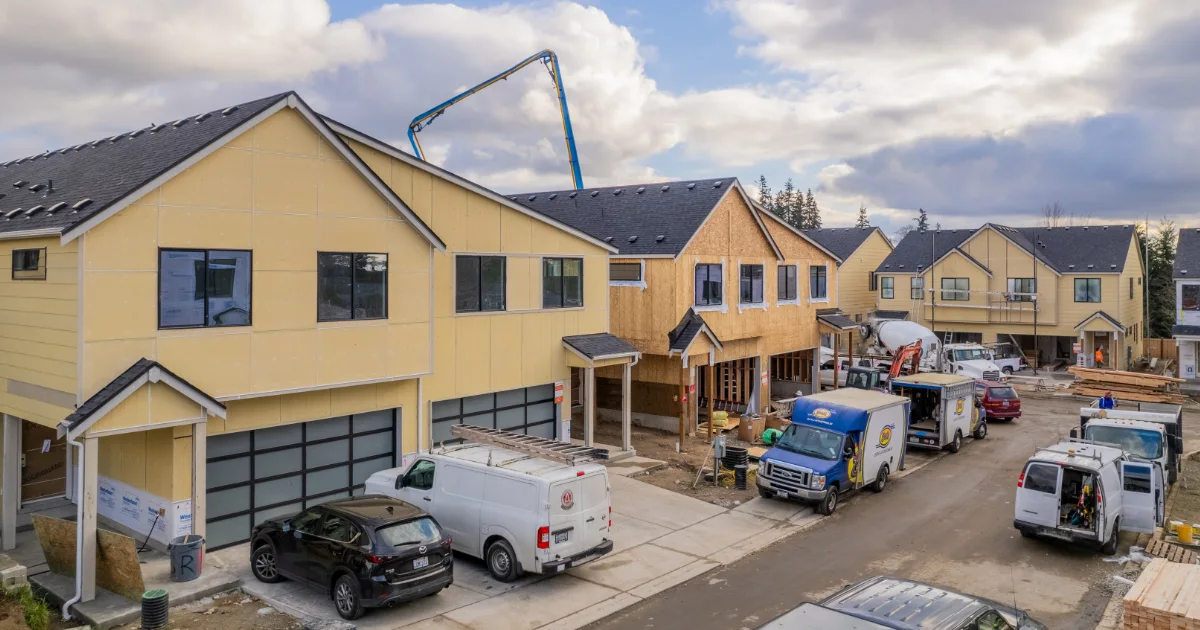
    A new construction home is exactly what it sounds like: a home that has never been lived in before. It may already be completed and move-in ready, or it may still be under construction (pre-sale), giving buyers a chance to personalise finishes and layouts. 

    These homes come in many styles and formats, including: 

    What they all share is this: they’re built for how people live today, not how homes were designed decades ago.

    Why So Many Buyers Start With New Construction

    There’s a reason many buyers begin their search by looking at brand new construction homes.

    For some, it’s about avoiding surprises. For others, it’s about modern design, energy efficiency, or simply wanting a space that hasn’t already been shaped by someone else’s choices.

    Especially for first-time buyers, new construction can feel more straightforward. There’s comfort in knowing the roof is new, the systems are updated, and the layout was designed for today’s lifestyles.

    But comfort doesn’t mean perfection—and that’s where understanding both the pros and cons really matters.

    The Advantages of Buying a New House

    1. Homes Designed for Real Life Today

    One of the biggest advantages of buying a new house is how it’s designed.

    New homes tend to reflect the way people actually live now:

    • Open kitchens that connect to living spaces
    • Rooms that flex between work, rest, and play
    • Storage that’s thoughtfully planned, not added as an afterthought

    Instead of working around walls or layouts that no longer make sense, many buyers appreciate how natural and usable new spaces feel from day one.

    2. The Ability to Make It Yours From the Start

    Depending on when you buy, you may be able to choose finishes that match your taste—things like flooring, countertops, cabinet colors, or even parts of the floor plan.

    That choice can feel empowering. Instead of changing a home later, you’re shaping it early.

    And while customization isn’t unlimited, even small decisions—like the tone of the cabinets or the feel of the flooring—can help a home feel personal in a meaningful way.

    3. Lower Maintenance at the Beginning

    Another commonly recognized advantage of new construction is peace of mind—at least in the early years.

    With a new home:

    • Systems are new
    • Appliances are new
    • Materials meet current building standards

    This doesn’t mean maintenance disappears, but it often means fewer immediate repairs. For many buyers, especially those purchasing new homes as first-time buyers, that predictability can ease a lot of stress.

    4. Energy Efficiency and Comfort

    New construction homes are built to current standards, which often means better insulation, newer systems, and more consistent temperatures throughout the home.

    While energy savings depend on many factors, a lot of homeowners notice that newer homes simply feel more comfortable day to day.

    5. Communities That Are Planned, Not Random

    Many new homes for sale are in communities that were built all at once, not over time.

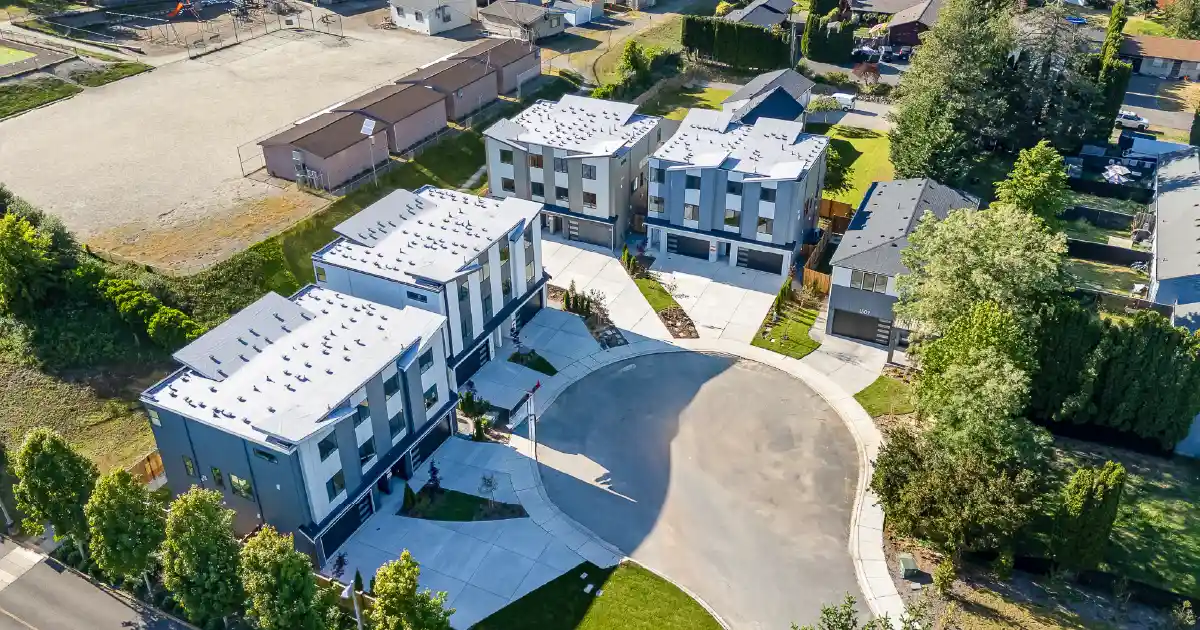
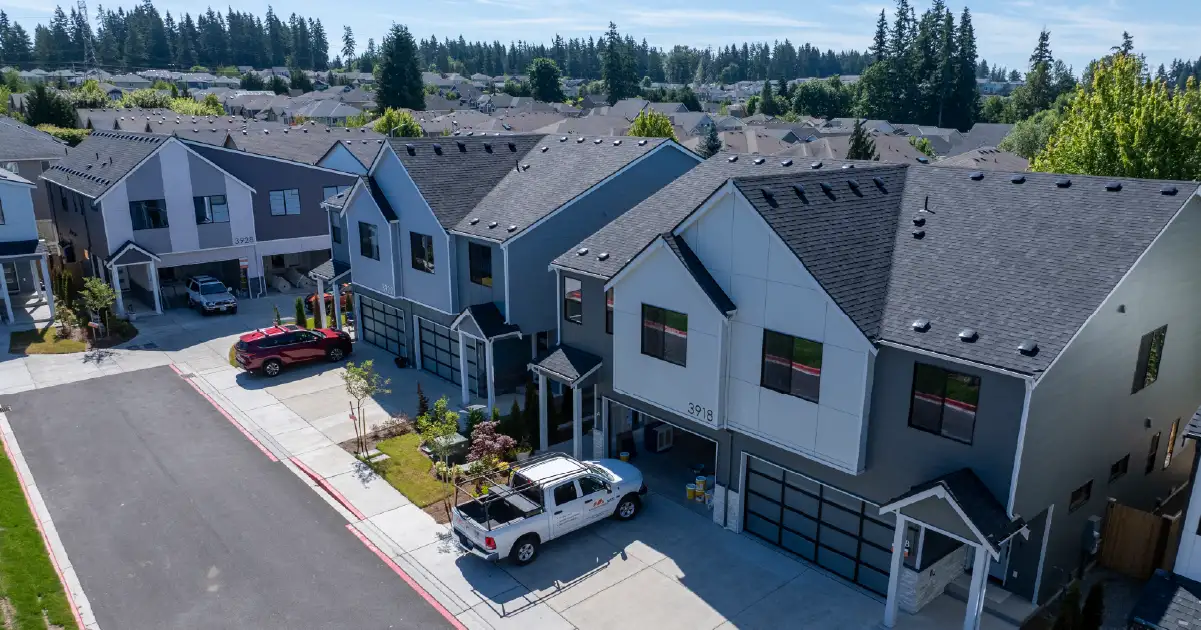
    That usually means streets that people can walk on, green spaces that everyone can use, and neighborhoods that bring people together. It’s not just the house, but also the area around it.

    That sense of place is important at MSR Communities. A home should feel like it belongs where it is. 

    6. Builder Warranties

    Most new homes come with some kind of warranty. Many buyers like having that extra layer of security in the first few years of ownership, even though the specifics may vary.

    The Disadvantages of Buying a New House (And Why Many Buyers Still Choose It)

    There is no perfect choice. But considering negatives also helps you make better choices.

    1. Upfront Costs Can Be Higher: In some markets, new homes cost more at first than older homes that are being sold again. Land costs, materials, and modern features all play a role. Some buyers, on the other hand, think that the balance changes over time when fewer repairs and updates are needed.
    2. Waiting Takes Patience: If your home is still being built, timelines can shift. Things happen with the weather. Materials get delayed. Plans change.

    For buyers who need a specific move-in date, this can be a little inconvenient. For others, the wait feels worth it for a home built specifically for them.

    • Neighborhoods Take Time to Feel “Finished”

    New communities grow in phases. Trees mature. Amenities come online gradually. Construction may continue nearby for a while.

    Some people enjoy watching a neighborhood come to life. Others prefer an area that’s already fully established. Neither preference is wrong.

    • Some Features Come Later: Things like fencing, patios, or upgraded landscaping may not be included upfront. Planning for these future additions is part of owning a new home.
    • New Construction and First-Time Buyers: For many first-time buyers, new construction feels more approachable.

    There’s comfort in knowing what you’re getting. Relief in fewer immediate fixes. And clarity in pricing and features.

    That said, it’s still important to plan carefully for things like property taxes, HOA fees, and long-term affordability.

    Having the right guidance makes a difference here.

    Newly Built Townhomes or Single-Family Homes?

    When deciding between single family homes for sale and newly built townhomes for sale, it often comes down to lifestyle.

    • People who want more space, privacy, or a yard usually like single-family homes.
    • Townhomes often work well for buyers who prefer less exterior maintenance and a more connected community feel.

    Both can be great options. It’s about what fits your day-to-day life.

    So… Are the Pros Worth the Cons?

    For many buyers, yes.

    While there are trade-offs, the advantages of buying a new house often outweigh the drawbacks—especially for people who value modern design, predictability, and the chance to make a home their own from the start.

    More than anything, it comes down to this:

    • This is the place where you’ll spend most of your life.
    • Where mornings begin and evenings end.
    • Where routines form and memories grow.

    That matters.

    A Thoughtful Next Step 

    At MSR Communities, we believe homes should feel personal, not transactional. 

    If you’re exploring brand new construction homes, whether you’re interested in single family homes for sale or newly built townhomes for sale, we invite you to explore our communities. Every home is designed with real life in mind—so you can focus less on the house itself and more on the life you’ll live inside it. 

    Take a look at our homes for sale and see how MSR Communities helps turn everyday living into something meaningful.  


  • How Long Does It Take to Close on a New Construction Home? 

    How Long Does It Take to Close on a New Construction Home? 

    Think about how exciting it would be to walk into your brand-new dream home, which was built from the ground up to fit your style, your vision, and your future. But before you can unpack the boxes and hang the paintings, you have to do one last thing: close. There are a lot of people who want to know, “When do you close on a new construction home?” This is one of the most common inquiries for those going through this process.

    When you buy a home, it’s always a once-in-life-time moment. But when you’re buying a new construction home for the first time or getting a financing to build a new home, the procedure is different. Knowing the schedule and what affects it will help you set realistic expectations and feel good about moving into your new place.

    What Does “Closing” Actually Mean?

    In real estate, closing is the final stage of the transaction—the moment all the paperwork is signed, financing is locked in, and ownership transfers to you. In other words, it’s when you finally receive the keys to your property.

    For a newly built home, whether it’s part of a community of single family homes for sale or a newly developed block of townhomes for sale, closing comes after a few additional steps: inspections, final walkthroughs, certificate of occupancy (depending on the jurisdiction), and sometimes extra coordination with your builder. These are the extra pieces that set closing on a new build apart from buying an existing home.

    Factors That Affect the Closing Timeline for New Construction Homes

    When you’re closing on a new construction home, timing can vary significantly. Here are the key variables you’ll want to keep an eye on:

    1. Type of New Construction Home

    Not all new builds are created equal, and the type you’re buying heavily impacts how soon you can close.

    • Spec Homes: These are homes built ahead of time by a builder without a specific buyer in mind. They’re essentially “move-in ready” or nearly so. With spec homes, you often can close in as little as 30 to 45 days because much of the work is already complete.
    • Semi-Custom Homes: These give you some choices (floorplans, finishes, options) but are based on a set of standard models. Because you’re making selections and construction is underway or about to begin, the timeline stretches out—often 4 to 6 months or more from contract to close.
    • Custom Homes: These are built from scratch for you—everything from lot selection to design to finishes is customized. Naturally, this carries the longest timeline. It’s not unusual for the closing to occur 10 months to over a year from contract, depending on complexity, permitting, and site conditions.

    If you’re a first-time buyer looking at new construction homes for first time buyers, being realistic about which category your home falls into is key.

    2. Financing and Mortgage Approval

    Securing a mortgage—or in some cases a construction-to-permanent loan—is essential. The timeline often depends on how quickly the lender processes your application, the loan type, and your documentation.

    If you’re using new home construction loans (which might include construction-to-permanent loans), then your financing path is a bit more complex than a standard mortgage on an existing home. For standard new build homes, lenders may require inspections or occupancy certificates before funding.

    You’ll be much better off if you get pre-approved early, especially if this is your first time navigating the terrain.

    3. Permits, Zoning and Regulatory Approvals

    Even though the home may look nearly complete, builders must often secure local permits, inspections and occupancy certificates. Delays here can cause the closing date to shift.

    Especially for custom builds, these regulatory steps can add weeks or even months to the timeline. The construction timeline matters not only for building but also for when the actual closing happens.

    4. Inspections, Final Walkthrough and Punch List

    Before closing you’ll typically do a final walkthrough with the builder. You’ll inspect the home to verify that all agreed-upon items — finishes, fixtures, upgrades — are complete. If there’s a “punch list” of items needing correction, those have to be resolved before the deed is transferred and keys are handed over.

    Additionally, the title company will complete a title search, ensure there are no encumbrances, and coordinate closing logistics.

    So — When Do You Close on a New Construction Home?

    There’s no one-size-fits-all answer, but here are general timelines you can expect based on type and readiness:

    • If you’re buying a spec home (ready-or-nearly-ready), you may close in about 30–45 days.
    • For a semi-custom home, you might be looking at 4–6 months from contract to closing.
    • For a fully custom build, it could take 10 months to over a year before closing.
    • Once the home is completed and everything is ready, the actual closing process (paperwork signing, title transfer, mortgage funding) may take a few hours to a day, but you’ll still need to plan weeks ahead for coordination.

    If you’re asking especially “when do you close on a new construction home?” the short answer is: once the builder has satisfied all construction and regulatory requirements, financing is locked in, title work is done, and the date is scheduled—this could be a matter of weeks if you’re buying something nearly complete, or many months if you’re building from the ground up.

    What to Expect During the Closing Process

    Once you reach the point where closing is around the corner, here’s how things typically unfold:

    1.Title Review and Insurance
    The title company will perform a title search, issue title insurance, and prepare the necessary documents. It ensures you’ll own the property free and clear of prior claims or liens.

    2.Final Walkthrough
    You’ll do one last walkthrough with your builder to verify everything is complete, identify any remaining issues and get oriented to your home’s systems (HVAC, plumbing, warranties). If you’re buying a home in a community of new single-family homes for sale or townhomes for sale, this is your chance to inspect the finished product.

    3.Loan Finalization
    If you’re financing through a lender, you’ll sign loan documents—the mortgage agreement, disclosures, escrow setup, etc. The lender will fund the loan, and the builder (or previous owner) will receive payment.

    4.Signing and closing: For the appointment, you will need to provide a valid ID, proof of homeowners insurance, and payment (if needed) for any closing costs or down payment on closing day. You will sign all the papers, and after everything is done, the house is yours.

    5.Get the keys and move in: You can officially move into your new house once everything is signed and the money has been sent. This is the time you’ve been waiting for.

    How to Make Closing on New Construction Go Smoothly

    There are more moving elements in closing on a new construction home than in closing on a resale. Here are some tips to assist you get through the process:

    • Stay in Touch: Keep in touch with your builder, lender, and real estate agent on a frequent basis. If you see that something is behind schedule, ask for updates, query any unclear language in your contract, and stay on top of things.
    • Get Pre-Approved Early: If you are becoming a homeowner for the first time and you’re using new home construction loans or a standard mortgage, getting pre-approval will help you understand what’s going on and keep you moving forward.
    • Check Everything: Bring a checklist with you on the final walkthrough, write down any unfinished or broken objects, ask for written builder warranties, and make sure you know what will happen if something needs to be fixed after closing.
    • Understand Your Contract Timeline: Many builder contracts have “subject to completion” language or approximate finish dates. It’s wise to plan for possible delays—especially in custom builds.
    • Don’t Skip the Title & Insurance Steps: Even though it’s new construction, you still need title clearance and homeowners insurance. These are not optional.
    • Prepare for Additional Costs: Building and buying new often mean extra costs—upgrades, landscaping, association fees (if applicable), adjustment for taxes, etc. Don’t get caught off-guard.

    Why First-Time Buyers Should Consider New Construction

    If you’re exploring new construction homes for first time buyers, there are real advantages:

    • You’ll often have the latest designs, modern layouts, and fewer maintenance concerns.
    • Building or buying new in a community of single-family homes for sale or townhomes for sale often means less competition than bidding wars on resale homes.
    • Custom or semi-custom homes allow you to personalize finishes, layout, and style—rather than compromising with what’s on the market.

    But with these perks come the unique timelines and processes that don’t apply as much in resale transactions. That’s why being clear on “when do you close on a new construction home” is so helpful.

    Wrapping It Up: Your Dream Home Is Within Reach

    Closing on your new construction home is a major milestone—and worth every moment of the journey. Whether you’re buying one of a collection of new single-family homes for sale, selecting from townhomes for sale in a new community, or watching your semi-custom home come to life, understanding the timeline gives you peace of mind.

    If you’re working with new home construction loans, or simply stepping into homeownership for the first time, keep in mind:

    • The level of customization influences how long until you close.
    • Financing, permits, inspections, and builder timelines all affect that “close day.”
    • Once everything is ready, the actual closing can be fast, but the prep takes time.

    If you’re ready to explore new construction homes for sale, MSR Communities offers a range of thoughtfully designed properties to fit your lifestyle. Take the first step toward your dream home today by exploring our latest offerings and discovering the perfect space for you and your family.  

    For more information, connect with MSR Communities and see how we can bring your vision of homeownership to life. 

  • Peaceful Neighborhoods for Quiet Living

    Peaceful Neighborhoods for Quiet Living

    In today’s fast-paced world, it’s more important than ever to find a peaceful and comfortable location to live.  The area you choose to live in can make a major difference, whether you have kids or just want a quiet place to unwind after a long day.  Fortunately, there are several modern family neighborhoods that put community, safety, and comfort first.  

    Why neighborhoods that are quiet are important  

    Peaceful neighborhoods provide people a sense of safety, belonging, and well-being, not just quiet streets.  A calm environment can help people live healthier lives, grow better, and get along better with their family, especially if they have young children.  These places often have parks, walking paths, and community centers that encourage people to spend time outside and make friends.  

    The Best Neighborhoods for Families  

    When looking for the greatest neighborhoods for families, people think about things like low crime rates, outstanding schools, parks and other places to have fun, and a strong sense of community.  A lot of these neighborhoods were carefully planned to include things that are good for families, like bike lanes, playgrounds, and spaces for neighbors to meet.  

    The Growth of New Construction Neighborhoods  

    One of the most interesting trends in real estate is the growth of new build neighborhoods. These neighborhoods include open floor plans, high-tech features, and energy-efficient homes that are all made to fit in with modern life.  They are great for families that want to live together and have easy access to things like clubhouses, fitness centers, and swimming pools.  

    New Townhomes: A Smart Choice  

    New townhomes are a great choice if you want to find a good balance between comfort and price. You can often find these homes in new neighborhoods, and they usually don’t need as much upkeep as older homes.   Townhomes are a stylish and practical way for both families and professionals to live because they have a simple layout and modern finishes.  

    Liking the Look of Single Family Homes  

    Single-family homes in quiet neighborhoods are the best places to live if you want privacy and space. These houses have a lot of space for families to grow, private yards for fun outside, and the chance to make your home your own.   There are a lot of single-family homes on tree-lined streets and quiet cul-de-sacs, which makes the area even quieter.  

    The Draw of Modern Family Communities  

    When building modern family neighborhoods, the needs of homes today are taken into account. There are many different types of homes in these neighborhoods, such as single-family homes and newly built townhomes, to fit different lifestyles and budgets. Families looking to settle down find them very appealing because they focus on safety, accessibility, and getting involved in the community.  

    What makes a neighborhood a good place for families? 

    Families should live in neighborhoods that put their needs first. This means having access to good health care, schools, and things to do that are fun. A better quality of life is often linked to neighborhoods that promote social interaction and a sense of belonging. This is because these neighborhoods are usually quieter and more supportive.  

    How to live sustainably in new neighborhoods  

    Homebuyers who want modern conveniences and a lifestyle that is good for the environment are especially interested in new construction neighborhoods. There are usually parks, energy-efficient homes, and smart home devices in these neighborhoods. This is why comfort, creativity, and caring for the environment all go hand in hand.

    Modern Townhouses for Families  

    Newly built townhomes are a one-of-a-kind mix of style and function. These homes are great for families today because they have smart layouts and modern styles. They are often close to malls, schools, and public transportation, which makes life easier and more fun.

    The Everlasting Allure of Single Family Homes  

    Single-family homes are still popular with people who want to live quietly. These houses have the space and privacy that families need for activities, hobbies, and relaxing. There are often trees and plants around single-family homes in quiet neighborhoods. This makes for a nice place to live that is good for your mental and emotional health.

    Choosing the Right Neighborhood

    Choosing the right neighborhood is very important for having a happy and fulfilling life. There is a place for everyone, whether you appreciate the sense of community in modern family neighborhoods, the new construction neighborhoods that are full of new ideas, the practicality of townhomes that are just being built, or the beauty of single-family homes.

    Building Community Beyond Quiet Streets  

    It’s not enough for neighborhoods to be quiet; they also need to be helpful and nurturing. These neighborhoods make it easier for people to get along, give kids safe places to play, and give people chances to learn and get involved in their communities.

    Wellness and sustainability in today’s neighborhoods  

    Features that enhance sustainability and well-being are becoming more and more frequent in contemporary family communities. The amenities in these neighborhoods, such as community gardens, recycling programs, fitness centers, and walking routes, are meant to make life better for everyone.  

    A Peaceful Way of Life for Families  

    Families perform best in neighborhoods that offer a good mix of activities. This includes access to nature, cultural events, and essential services. Families do well in places where they feel safe, respected, and connected.

    New Construction Ideas  

    Newly built neighborhoods are setting new expectations for how people live in homes. People who want to live in harmony with their surroundings are drawn to these neighborhoods because of their unique designs and focus on sustainability.

    Living in a townhome is easy to take care of.  

    Newly built townhomes are great for families who want a low-maintenance home that is nonetheless comfortable and stylish. These homes are often in neighborhoods that are doing well and have a lot of amenities and social activities.

    A Safe Place in Homes for One Family

    You can find peace and quiet in neighborhoods with single-family homes that aren’t too busy. These homes give you the space and freedom to make a home that shows who you are and what you want to do.

    Final Thoughts

    In the end, peaceful societies are very important for health, happiness, and getting along. It’s important to find a home that fits your lifestyle and goals, whether you want a single-family home, a new townhome, a modern family neighborhood, or a new construction neighborhood.

    Spend some time thinking about what matters most to you, look around a few neighborhoods, and picture your dream home. If you make the right choice, you could build a home that helps you reach your goals and makes you feel good, all while living in a quiet area. 

  • Custom Home Builders in Texas: From Concept to Completion

    Custom Home Builders in Texas: From Concept to Completion

    When you wish to enter the world of custom home building and are looking for luxury custom home builders in Texas, want to understand how the process works, or are curious about custom home builders with floor plans, this article offers an in-depth look at how the journey unfolds. We’ll also touch on topics like why investing in custom Builds, what custom home builders do and cost considerations. By the end, you’ll have a clearer sense of how to move forward with confidence.

    The Draw of Building Your Own Home  


    Building a custom house means you’re not merely buying from a catalogue of existing homes. Instead, you’re working with a builder or design team to construct and personalize your specific lifestyle, interests, and the land you’ve chosen. With the right builder, you can choose or modify floor plans, select finishes, consider futureproofing, and build a home that reflects you rather than someone else’s “standard”.

    Why Texas Makes Sense

    Texas is booming with opportunity for custom home building. With plenty of land, builder-friendly regulations, and a fast-growing population looking for unique places to call home, it’s no wonder the Lone Star State stands out. From Dallas–Fort Worth to Austin, Houston, and Frisco, top builders are crafting everything from luxury custom homes to sleek new townhomes — designed for the way Texans really live.

    Identifying the “Best Custom Home Builders Texas”

    When you search for the best custom home builders in Texas, you’ll want to look for builders who demonstrate: 

    • Strong reputation and portfolio of completed homes 
    • Flexibility in floor plan and finish choices (i.e., customisation) 
    • Transparent process from concept through completion 
    • Quality craftsmanship and proven project management 
    • Good communication and alignment with your goals 

    By doing your homework, you’ll get closer to finding a builder who will partner with you to develop your tailored home.

    What Do Custom Home Builders Do?

    1. Concept & Pre-construction

    • Work with you (and possibly an architect) if you want an office or flex space, the size of the garage, and the kind of outdoor living areas that fit your lifestyle 
    • Select or create floor plans that complement the way you live and suit your lot’s unique characteristics 
    • Early budgeting: Estimate cost based on design, finishes, site conditions, and timeline. 
    • Identify key factors like soil quality, grading, drainage, access, available utilities, and any zoning or HOA restrictions. 
    • Know the details of the permitting process, including local building codes, possible variances, and required approvals.

    2. Design Development & Documentation

    • Finalize the blueprint like floor plan, elevations, and structural systems. 
    • Choose materials, finishes, fixtures, cabinetry, and lighting – often in collaboration with an interior designer or the builder’s design centre. 
    • Produce detailed drawings and specifications for bidding and construction. 
    • Secure any required sub-contracts or specialist consultants (engineers, landscape, HVAC).

    3. The Building Phase

    • Prep & Pour: Clear the site, handle the grading, and lay the foundation (slab, crawlspace, or basement). 
    • Shell Up: Erect the framing, secure the roof, install the sheathing, and set the doors and windows. 
    • Utility Core: Rough-in the essential systems—plumbing, electrical, HVAC, and complete the insulation. 
    • Interior Impact: Hang the drywall, install the flooring, place the cabinets and trim, and finalize all finishes. 
    • Curb Appeal: Complete the site work: driveway, landscaping, patios, and perimeter fences. 
    • Final phase: Perform the final inspection and execute the official key handover.  
    • Work on the outside, or site, includes the driveway or garage, landscaping, patios, and fences.

    4. Warranty Documenation

    The builder gives the keys and other important papers (warranties, manuals, as-built drawings) to the new owner.  

    Many bespoke builders only guarantee their work and materials for a short time (like one to two years).  

    Your follow-up involves getting settled in, and the builder may help with any problems that come up after you move.

    Why a Custom Builder’s Floor Plans Matter

    When we talk about custom home builders with floor plans, the floor plan is one of the most important starting points. Here’s why: 

    • The floor plan dictates how you live and move through the space: placement of kitchen, bedrooms, office, outdoor access. 
    • Good custom builders will provide a range of base floor plans but allow you modifications: shift walls, adjust stair placement, swap rooms, expand garage, add outdoor space. 
    • Tailoring your floor plan to the lot means making the most of what your property offers—positioning living spaces to capture the best views, designing for privacy from neighbors, and letting in plenty of natural light. 
    • Future-proofing: Multi-generational use, home office, adaptable spaces—all manageable if the floor plan is flexible. 
    • Budget control: Starting with a sensible base plan and upgrading in phases helps control costs vs fully designing from scratch.  

    When interviewing a builder, ask: “How many base floor plans do you offer? How much modification is allowed? Can I bring my architect or designer? How are changes priced?” A builder who offers robust floor-plan options and customization is a strong signal of quality.

    The Build Timeline: What to Expect

    Although each custom home build is unique, here’s a rough timeline you can expect when working with a quality custom home builder in Texas: 

    • Pre-construction / planning (1–3 months) 
    1. Meet with builder/architect, define vision 
    2. Finalise lot analysis, floor plan, finishes, budget
    3. Obtain permits and approvals 
    • Construction – site and structure (2–4 months) 
    1. Site prep, foundation, framing, roofing 
    2. Exterior windows/doors, rough systems installed 
    • Construction – interior and finishing (2–4 months) 
    1. Plumbing, electrical, HVAC, insulation 
    2. Drywall, flooring, cabinetry, trim, paint 
    3. Exterior finishes, landscaping 
    • Final inspections & hand-over (1 month) 
    1. Punch-list items addressed 
    2. Homeowner orientation, warranty documents, move-in 

    Total time for a custom single-family home might range between 6–12 months (or more for very large/complex builds). Townhomes may be faster. Ask your builder for a detailed schedule and communicate frequently.

    Cost Considerations for Luxury Custom Homes in Texas

    When exploring luxury custom home builders Texas, it’s helpful to understand the cost drivers: 

    • Size Is Important: In short, the bigger the house (more square footage), the more it will cost to buy materials and hire workers to put it all together. 
    • Design Complexity: Features such as fancy rooflines, tall ceilings, or custom woodwork that are not standard require more time and skill to create, resulting in higher costs. 
    • High-End Finishes: The materials you choose add up quickly. High-end appliances, smart home technology, and custom cabinets are some of the most important things to spend money on. 
    • Is the ground sloped, or does it have strange soil? Difficult site conditions often mean that prep work or utility extensions cost more. 
    • Prices change depending on where you build. If you want to build in a very desirable area, you will probably have to pay more for labor and materials. 
    • You pay more the more you go off the beaten path. More customization means more choices and usually a higher final price. 
    • Don’t Rush the Process: If you try to speed up construction, you might have to pay extra for overtime and rush orders, which will raise your costs. 
    • Market Swings: Inflation and the cost of materials can change while you’re building, so keep an eye on them. 

    Pro Tip: Always have a backup fund ready for those unexpected problems or changes that come up at the last minute. A good builder will help you figure out these trade-offs so you don’t have any surprises.

    Bringing It All Together  

    When you build a custom home, having a clear plan helps everything come together, whether you’re looking for the best custom home builders in Texas, looking into flexible floor plans, or just learning what custom builders do. 

    • Start by figuring out what’s most important to you in a home: the rooms you’ll use the most, the features that matter, and the little things that make a house feel like home. 
    • Pick a lot that fits with those goals and makes the most of your home’s potential. 
    • Look for a builder who is known for being honest, open, and working together. 
    • Then, work on getting the details right, like your floor plan, finishes, budget, and schedule. 

    Are you ready to move on? Contact us today and start making plans for your new home.

  • Luxury 2-Story House Plans That Will Inspire Your Dream Home

    Luxury 2-Story House Plans That Will Inspire Your Dream Home

    Are you one of those people who loves a touch of luxury when it comes to your new home? 

    When we think about designing the perfect home, we usually think about four directions: north, south, east, and west. But what if the key to real luxury is in a fifth direction: upward? That’s where a two-story house really shines.

    One of the most fun things in life is planning your dream home. It’s where comfort and creativity come together, and your personal style shows up in every wall, window, and walkway. A luxury two-story home isn’t just about having more room; it’s about making a higher-quality life that feels open, inspiring, and like you.

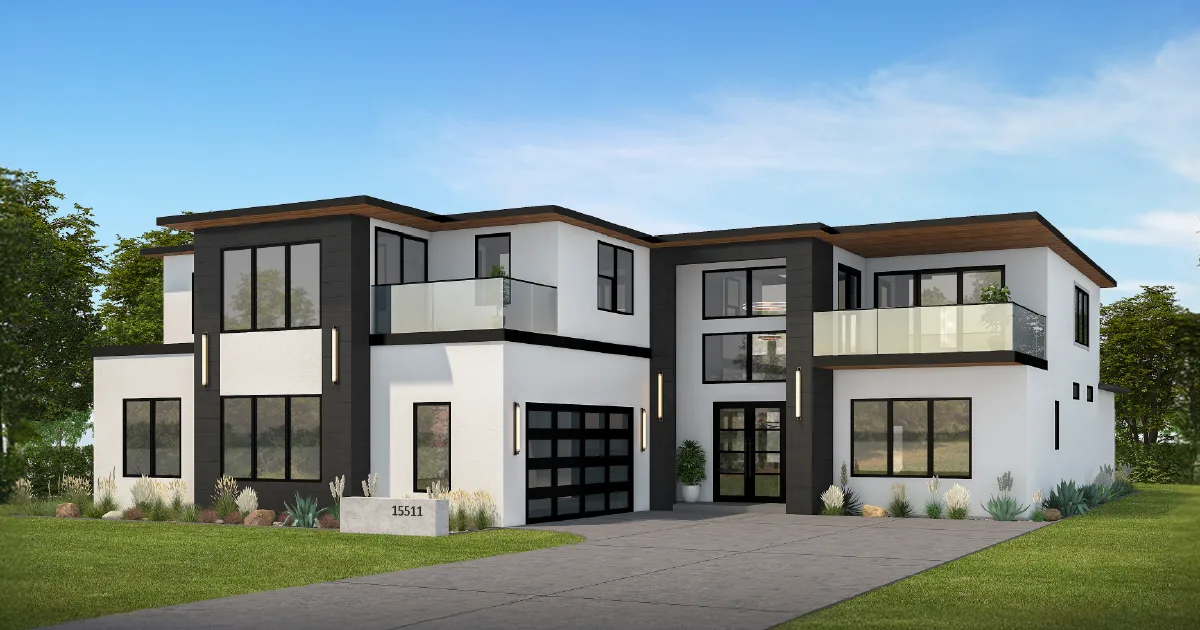
    The right design can completely change how you live day to day, whether you like modern two-story house plans with clean lines and big windows or something more classic and timeless. Building up gives you more space to dream, from open-concept layouts to curb appeal that stops people in their tracks.

    Let’s look more closely at why two-story homes are still so popular with homeowners and how you can use these ideas to make your own dream home a reality.

    Why Two-Story Homes Are So Popular

    There’s something undeniably special about a well-designed two-story home. It feels elegant without being pretentious — spacious but still cozy. Here’s why this design style continues to be one of the most popular choices for families across America.

    1. More room, less space taken up 

    If you want more living space without taking up a lot of land, two-story homes are the best choice. You don’t have to stretch out; you just build up, which leaves a lot of room for outdoor features like patios, gardens, or even a pool. It’s a good way to use space, especially if you’re building an area where lots are limited.

    2. A perfect split between the living and sleeping areas 

    Most floor plans for two-story homes keep the common areas on the first floor and the bedrooms on the second floor. This makes the house flow naturally: your living, cooking, and entertaining all happen on one level, while your private spaces are quiet and out of the way above.

    3. Beautiful views and natural light 

    Two-story houses can have as many windows, skylights, and balconies as they want. What happened? Sunlight coming in from all sides and the chance to see things you might not see in a one-story house.

    4. Design possibilities that never end 

    Two-story homes can fit in with almost any style, from classic brick exteriors to sleek, modern luxury home designs. You can go all out with big glass panels or keep things warm with natural stone and wood. It’s all about finding the right mix for you. 

    Looking at floor plans for two-story houses

    The floor plan is where your dream home really starts to come together. The plan sets the tone for how you’ll live and move through your space every day, whether you like an airy, open concept or a more traditional layout.  

    Here are some of the most popular ways to arrange things in modern two-story house plans.  

    Living in an open space: Open-concept designs take down walls between the kitchen, dining room, and living room, making the space feel bigger and more open. This layout is great for hosting parties, family get-togethers, and everyday life. You will often find: 

    • Big kitchen islands that are also great places to hang out  
    • Two-story great rooms with beautiful ceilings
    • Sliding glass doors connect the inside and outside of the house.  

    This style gives your home a bright, connected, and lively feel.  

    Primary Suites on the Main Level  

    A lot of high-end two-story homes have a main suite on the first floor. It’s easy to get to, private, and great for long-term comfort. A suite on the main level can have:  

    • A bathroom with a soaking tub that looks like a spa 
    • A walk-in closet that looks like a store
    • Easy access to gardens or patios outside

    This layout is great for people of all ages who want to live together or for homeowners who plan to stay for a long time.  

    Loft and bonus spaces that can be used in different ways  

    You don’t have to use your second floor just for bedrooms. Lofts, media rooms, and creative workspaces are now common features in many custom luxury home floor plans. These spaces can change your needs. Today, they can be a playroom; tomorrow, they can be a home office or library.  

    Staircases and Entryways That Stop the Show  

    A grand staircase is almost a must-have for a two-story luxury home. The statement of a staircase can make your home look better right away, whether it’s curved, floating, or framed in glass.  

    What Makes a Home Really “Luxury”?  

    Having the biggest house on the block doesn’t mean you’re rich. It’s about well-thought-out design, high-quality materials, and spaces that make daily life more fun.  

    These days, luxury two-story homes are often defined by:

    1. Architecture that fits together 

    Harmony is the first step in luxury design. Every detail, from the roofline to the materials, should feel planned. For a more modern look, think about using smooth steel and glass or natural stone and wood beams.

    2. Beautiful Outside 

    Curb appeal is important, and luxury homes do it very well. Some popular styles for the outside of luxury homes are:

    • The modern farmhouse has clean lines, metal roofs, and warm wood tones. 
    • Modern: sharp angles, bold shapes, and simple finishes.
    • Mediterranean: roofs made of terracotta, windows with arches, and walls made of stucco.
    • Classic luxury: facades made of brick or stone that are perfectly symmetrical.  

    The outside of your home sets the tone for everything inside, so pick a style that feels like you.

    3. Living inside and outside without any problems 

    Luxury homes make it hard to tell where the inside ends and the outside begins. You can relax or have fun all year long with retractable glass doors, outdoor kitchens, and covered patios.  

    With the chance to customize your home from the floor plan up—just like at Sarovar in Frisco—you can create spaces that fit your family, your lifestyle, and your long-term goals. Here’s how to get started:

    • Figure out what matters most: Write down what you want most. A home office, a chef’s kitchen, a gym, a guest suite, or maybe a reading loft. This can help your architect or builder come up with a design that works for your way of life.  
    • Make every room useful: Luxury homes are not only beautiful; they are also comfortable to live in. Think about:
    1. Putting the laundry near the bedrooms  
    2. Adding mudrooms to store and organize things
    3. Making spaces that can change as your family grows
    • Make plans for the future : Think about the future. Will you need more access later? Would a bedroom on the first floor or an elevator make the house worth more? A well-planned design makes sure your home changes with you.  
    • Get the Right Team Together: It takes teamwork to build a luxury home. Working with a reliable company like MSR Communities makes sure your vision comes true, and they will help you every step of the way.  

    The Modern Way: Plans for a 2-Story Modern House  

    Modern design is all about function, flow, and simplicity, but it doesn’t mean giving up luxury. These houses have clean lines, open layouts, and a strong connection to the outside.  

    You will often see:

    • Roofs that are flat or low-pitched 
    • Big windows let in natural light.
    • Bold accents on neutral backgrounds
    • Materials that save energy and simple finishes  

    Two-story homes today show that simple designs can still be warm and welcoming, especially when they have thoughtful design details.  

    How to Get Ideas for Your Dream Home Designs  

    If you want to picture your future home, it helps to look at different types of architecture. Each one has something special to offer:

    • Coastal Contemporary: airy rooms, natural textures, and big windows that let in a lot of light. 
    • Mountain Lodge: Stone fireplaces, wooden beams, and warm, natural materials.
    • Urban Modern: Smart layouts, efficient design, and decks on the roof with views of the city.
    • Classic Colonial: Old-fashioned layouts with modern features.  

    Your dream home is a personal expression that combines style, comfort, and lifestyle into one beautiful design.  

    Why People Pick MSR Communities  

    We understand that luxury means different things to different people at MSR Communities. That’s why we work hard to make homes that are just as unique as the people who live in them.  

    Our homes are built with high-quality materials and modern comfort in mind. They range from unique two-story house floor plans to custom luxury home floor plans that fit your lifestyle.  

    Our team is here to help you every step of the way, from getting ideas for your new home to moving in. This includes building from the ground up or looking at our single-family homes or townhomes for sale 

    Check out our homes for sale to get a taste of what modern luxury living is like.  

    Final Thoughts:  

    Luxury two-story homes are always in style, not just because they look good, but also because they make life feel more open, connected, and inspired. The best designs for your dream home combine comfort, creativity, and craftsmanship to show off your unique way of life.  

    Your perfect design is out there, waiting to be built, whether you want a modern architectural masterpiece or a cozy, traditional retreat.  

    Today is the day to start looking into your options and see how MSR Communities can help you make your dream home a reality.  

    Are you ready to explore?  

    Find thoughtfully designed luxury two-story homes with custom floor plans made for modern living.  

    Go to MSR Communities today and start on the path to your dream home. 


  • How Does the Interest Rate Affect Real Estate: What Home Buyers Need to Know

    How Does the Interest Rate Affect Real Estate: What Home Buyers Need to Know

    Interest rates are one of the main factors driving the ongoing changes in the real estate market. Knowing how interest rates affect the market is crucial whether you’re investing in commercial real estate, selling a property, or purchasing your first home.

    These figures affect everything from buyer behaviour to affordability, from the best home loan interest rates to commercial real estate mortgage rates. What does it mean for you, and how do interest rates actually impact the housing market?

    Why Are Interest Rates Important and What Are They?

    In essence, interest rates represent the cost of borrowing money. The amount you will pay over and above the principal amount of a mortgage is determined by the interest rate. Market demand, inflation, and Federal Reserve policy are some of the more general economic factors that affect these rates.

    Interest rates have a direct impact on mortgage rates in real estate. Low interest rates make borrowing more accessible, which typically increases demand for real estate. Rate increases result in higher monthly payments and potential buyer reluctance, which slows down the market.

    Low Interest Rates: An Advantage for Purchasers

    When interest rates decline, buyers benefit. Because lower rates translate into smaller monthly mortgage payments, homeownership may become more accessible. Larger loans might be available to buyers, enabling them to look at better or larger properties.

    Increased competition is frequently the result of this affordability boom. When demand exceeds supply, more buyers enter the market, bidding wars become frequent, and home prices may increase. Low interest rates can make it easier to find single-family homes or newly constructed townhomes for sale.

    A cooling effect of high interest rates

    Conversely, the market tends to cool when interest rates rise. Buyers may be deterred by higher monthly payments associated with higher mortgage rates. Sellers may need to modify their pricing expectations if homes remain on the market for an extended period of time.

    This change only modifies the market’s dynamics; it doesn’t mean the market stops. Sellers may need to provide incentives or engage in more flexible negotiations as buyers become more picky.

    It’s interesting to note that sellers who secured favourable mortgage terms for their existing residences might be in a favourable position. In addition to selling fast, they might be able to find a new home before prices increase further.

    The Equation of Affordability

    Let’s say you have your eye on a $500,000 house. Your monthly mortgage payment may be affordable at a 4% interest rate. However, that same house might seem unaffordable if rates suddenly rise to 6%.

    One of the most potent ways interest rates influence the market is through this change in affordability. More people can afford to buy when rates are low. Demand weakens and some buyers pull back when rates rise.

    Because of this, timing is crucial, particularly if you’re looking for the best home loan interest rates. Over the course of your loan, locking in a favourable rate can save you thousands of dollars.

    Interest rates for commercial real estate are a different story.

    Commercial real estate investors have different concerns than residential buyers, who are more concerned with affordability. Office buildings, shopping malls, and industrial areas are all impacted by commercial real estate interest rates.

    Large-scale project financing may become more costly with higher rates, which could impede development or lower investor returns. Conversely, low or steady commercial real estate mortgage rates can promote development and expansion.

    Knowing how interest rates affect cash flow, cap rates, and long-term value is crucial for investors and businesses. Making wise financial decisions is more important than simply purchasing real estate.

    The Impact of Ripples on New Building

    The rate of new construction is also influenced by interest rates. Developers may postpone or reduce projects when borrowing costs increase. As a result, there may be a shortage of newly constructed townhomes available for purchase.

    In contrast, low interest rates can fuel construction activity, as developers take advantage of cheaper financing. This keeps the market moving and helps satisfy consumer demand.

    Interest rate changes may have an impact on both availability and cost if you’re looking to buy a new house. Being informed enables you to take appropriate action.

    Rental Market Shifts

    When buying becomes less affordable due to high interest rates, more people turn to renting. This increased demand can drive up rental prices and reduce vacancy rates.

    For landlords and property managers, rising interest rates may present an opportunity to capitalize on a growing renter pool. For renters, it may mean higher monthly costs and fewer options.

    Whether you’re buying or renting, interest rates play a role in shaping your choices and your budget.

    Market sentiment and buyer psychology

    Interest rates have an emotional impact in addition to a numerical one. Buyers frequently experience a sense of urgency when rates are low. They might rush to make offers out of fear of missing out

    .

    Hesitancy arises when rates increase. Buyers may decide to change their plans completely or wait for better circumstances. This change in attitude has the potential to slow down transactions and alter home marketing.

    The psychological effects of even minor rate changes can be profound. Therefore, it’s critical to maintain perspective, concentrate on your long-term objectives, and collaborate with experts who can help you navigate the highs and lows.

    Location Matters

    The impact of interest rates isn’t uniform across the country. In high-demand areas, like major cities or fast-growing suburbs, rising rates may have a smaller effect. Buyers in these markets are often more motivated and financially prepared.

    In slower markets, higher rates can lead to noticeable drops in activity. Homes may take longer to sell, and prices may soften.

    Areas with a large population of first-time buyers are especially sensitive to rate changes. These buyers often have tighter budgets and rely more heavily on financing. If you’re exploring single family homes for sale or newly built townhomes for sale in one of these regions, timing your purchase around interest rate trends can make a big difference.

    Long-Term View: Investing in Real Estate

    Real estate is still a long-term investment, even though interest rates can fluctuate temporarily. Despite sporadic market downturns, home values typically increase over time.

    Don’t let fluctuations in interest rates ruin your plans if you intend to remain in your house for a number of years. Prioritise locating the ideal home, obtaining a reasonable mortgage, and gradually increasing your equity.

    It’s critical for investors to comprehend how mortgage rates for commercial real estate impact returns. However, so is realising the worth of owning real estate during various market cycles.

    Concluding remarks

    One significant factor in the real estate market is interest rates. They have an impact on everything from new construction to commercial investments, as well as pricing and buyer behaviour. Understanding rate trends enables you to make more informed decisions when investing, buying, or selling.

    Now is a great time to get in touch with a reputable real estate agent if you’re prepared to look at single-family homes for sale, compare interest rates on the best home loans, or investigate recently constructed “>townhomes for sale. They can guide you through the current market and help you identify opportunities that fit your objectives.

    Additionally, pay careful attention to commercial real estate interest rates and their impact on financing and profitability if you’re thinking about making commercial investments.

    Real estate may have its ups and downs, but with the right strategy, you can ride the wave and come out ahead.