Author: sunilm

  • Single-Family Homes: Are They a Good Investment? 

    Single-Family Homes: Are They a Good Investment? 

    If you’ve been thinking about getting into real estate, you’ve probably heard of the idea of buying a house as an investment. It’s one of the most common and, some would say, safest ways for people to start making money through real estate. 
    But with the market changing, more people wanting to buy new single-family homes near me, and so many listings for single-family homes for sale, you might be wondering if now is a good time to buy a single-family home. And more importantly, does it really pay off? 

    Let’s break it all down. 

    So, What’s a Single-Family Home Anyway? 

    A single-family home is a standalone house designed for one family (no shared walls, no upstairs neighbors stomping around at 2 AM). Think suburban houses with a driveway, a backyard, and a bit more breathing room. 

    This setup makes them especially attractive for renters who want privacy, space, and a place that feels like home—which is one reason single family home investing continues to grow in popularity. 

    Why Do People Like Investing in Single-Family Homes? 

    1. They’re simpler to purchase and oversee. 

    Single-family homes are typically simpler to finance and maintain than duplexes or apartment buildings. There is a lot less complexity because you are only managing one tenant and one unit. For new investors in particular, that is a huge plus. 

    2. Individuals Desire to Call Them Home 

    Renting a home is frequently preferred over renting an apartment by families, young professionals, and even retirees. They typically receive a yard or additional storage space, and it’s more tranquil. Demand like this results in fewer openings and higher long-term profits. 

    3. They Gain Appreciation Over Time 

    Location matters, of course—but single family homes in growing neighborhoods tend to go up in value over time. So, you’re not just earning rent—you’re also building equity as the home appreciates. 

    What About New Homes? Are They Worth the Extra Cost? 

    A lot of investors today are leaning toward investing in new construction homes. And honestly, it makes sense. New single family homes come with the latest features—think energy-efficient appliances, better insulation, and modern layouts that renters love. 

    They also mean fewer repairs for you as the owner, especially in the first few years. That peace of mind is worth a lot. If you’ve found yourself Googling “new construction single family homes near me,” you’re definitely not alone. It’s a smart move to look into newly built homes in up-and-coming areas. 

    What You Should Know Before You Buy 

    Even though single family home investing is generally considered less risky than other property types, it still requires careful planning. Here are a few things to keep in mind: 

    • One Tenant = One Income 
      If your tenant moves out, you’re covering the mortgage until someone new moves in. That’s a bigger risk compared to owning a multi-unit property where other renters can cover the gap. 
    • You’re in Charge of Maintenance 
      Landscaping, plumbing, roof leaks—you’ll need to stay on top of it. New homes help reduce this burden, but it’s something to factor into your budget. 
    • Location Is Everything 
      Even the most beautiful home won’t rent (or sell) well if it’s in a bad area. Research school districts, commute times, safety ratings, and local amenities before committing. 

    Is Buying a Single-Family Home for Investment Worth It? 

    For many people, the answer is yes—especially if you’re looking for a relatively low-risk entry into real estate. With the right property in a good neighborhood, buying a single family home for investment can generate steady rental income while the property gains value over time. 

    And if you’re eyeing new construction single family homes, the reduced maintenance and higher rent potential can make the slightly higher purchase price well worth it.

    Final Thoughts 

    There will always be a need for single-family homes for sale, particularly in expanding suburbs and cities. This kind of real estate offers flexibility, less management stress, and excellent long-term potential, whether you’re investing in a fixer-upper or a brand-new single-family home with all the bells and whistles. 

    Investing in single-family homes may be the ideal opportunity for you if you’re new to real estate or want to add something reliable to your portfolio. 

    ________________________________________ 

    Are you considering moving forward? Investigate neighborhoods, start looking through local listings, and do the math. Your first significant step towards financial independence may be purchasing the ideal single-family home

  • Trio at Inglewood: Discover Your Dream Home in Kenmore 

    Trio at Inglewood: Discover Your Dream Home in Kenmore 

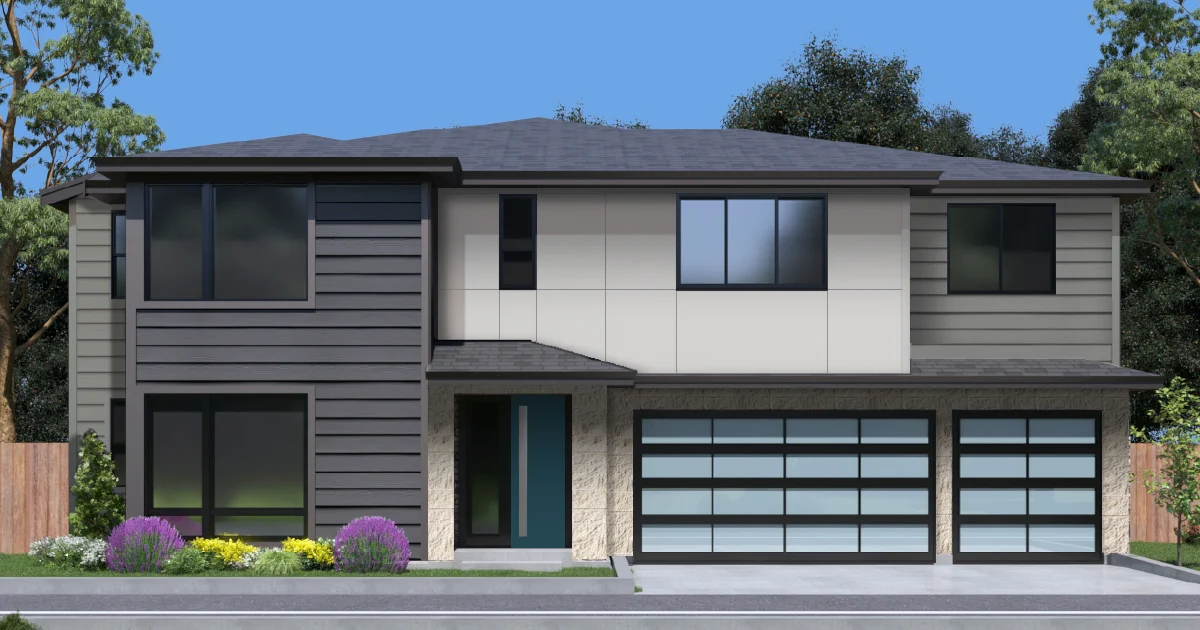
    A distinctive, boutique community, Trio at Inglewood provides a degree of exclusivity uncommon in bigger developments. There are just three houses available, and each one is made to offer a genuine sense of community in addition to a place to live. These 3,781–3,813 square foot homes are ideal for people who need space, whether it’s for a growing family or just to support an opulent lifestyle. There is plenty of space to enjoy thanks to the four bathrooms and five large bedrooms. Functionality is given top priority in the design; every area is painstakingly created to support contemporary living while maintaining a classic elegance.

    Designed for Today’s Homeowner 

    These homes are made to cater to the diverse needs of today’s busy households. Main-floor guest suites provide an ideal space for visitors, elderly parents, or long-term guests, making it easy to have a separate, private space for loved ones. With a three-car garage, you won’t have to worry about parking or lack of storage, a feature that’s often overlooked in modern builds but highly valued in daily life. The integration of smart home technology, including features like Ring doorbells, EV charging stations, and media center wiring, ensures that your home is ready for the future. Whether it’s for convenience or sustainability, these homes are designed to make life easier. And with spacious, fully-fenced yards—perfect for everything from gardening to hosting backyard gatherings—you’ll have the outdoor space to complement the spacious interiors.

    An Ideal Location 

    In the Pacific Northwest, Kenmore is a hidden gem that provides the ideal balance of peaceful suburban living and easy access to city amenities. Living at Trio at Inglewood puts you close to Lake Washington, where you can kayak or just enjoy the breathtaking scenery. Golfers can easily visit the historic Inglewood Golf Club, while nature lovers will enjoy the parks, hiking trails, and tranquil surroundings that are close by. Being a part of the prestigious Northshore School District, this location also puts you close to some of the best local schools. Additionally, you’re only a short commute from busy job centers in Seattle, Bellevue, and other places thanks to easy access to I-405 and Highway 522.

    A Rare Opportunity 

    Only three residences are available at Trio at Inglewood, providing a unique opportunity to own a home in a neighborhood that values seclusion, excellence, and uniqueness. Securing a distinctive lifestyle in one of Kenmore’s most desirable areas is more important than simply purchasing a home. The quality of these residences and the development’s exclusivity are reflected in their starting price of $2,149,950. This is the ideal time to get involved, especially if you want to customize your home with unique finishes and upgrades to make it truly your own, as homes are anticipated to be ready for occupancy by August 2025.

    Why Choose MSR Communities? 

    MSR Communities is known for building innovative, long-lasting, and stylish homes. Not only are MSR’s homes renowned for their superb craftsmanship and meticulous attention to detail, but they are also built to last. The Trio at Inglewood team is committed to building sustainable, energy-efficient, and well-designed homes for today’s homeowner. MSR is a partner in ensuring that your ideal home is realized, not just a builder. 

    Schedule a Private Tour Today 

    With only three homes available in Trio at Inglewood, demand is expected to be high. If this community sounds like the perfect fit for you, don’t hesitate to reach out to the listing agents to schedule a private tour. Seeing the property in person will give you a better sense of the space, layout, and the incredible quality of construction. Whether you’re just starting to look or ready to make an offer, it’s important to act quickly to secure your place in this exclusive neighborhood. 

    Final Thoughts 

    More than just a place to live, Tio at Inglewood offers a lifestyle that blends privacy, luxury, and a sense of connection to the natural world. These upscale homes offer the room, comfort, and style you deserve, whether you’re moving to the area, need a bigger house to accommodate your family, or are looking for a permanent residence. Trio at Inglewood might be the solution if you’re prepared to find your ideal house.  

    Trio at Inglewood is where your ideal lifestyle starts. Come home 

  • Tax Benefits on Home Loans for Buyers: What You Need to Know

    Tax Benefits on Home Loans for Buyers: What You Need to Know

    Buying a home is a big milestone — exciting, life-changing, and let’s be honest, expensive. But here’s some good news: owning a home can also come with serious perks at tax time. If you’ve been wondering how a mortgage affects your taxes, what the mortgage interest deduction is, or whether buying a home can save you money on taxes, you’re in the right place.

    Let’s break down the most important tax benefits that come with homeownership — in plain English.

    1. The Mortgage Interest Deduction: A Major Money Saver 

    One of the biggest tax breaks available to homeowners is the mortgage interest deduction. In the early years of your mortgage, most of your payment goes toward interest — and fortunately, that interest is usually tax-deductible.

    So, how does it work?

    Each year, your lender will send you Form 1098, which shows how much mortgage interest you paid. If you choose to itemize your deductions (instead of taking the standard deduction), you can subtract that interest from your taxable income — potentially lowering your tax bill by thousands. 

    Here are the basics: 

    • If you bought your home after December 15, 2017, you can deduct interest on up to $750,000 of mortgage debt. 
    • If you bought it before that date, your limit is $1 million. 
    • Own a second home? You may be able to deduct interest on that, too. 

    2. Property Taxes: Another Deduction in Your Corner 

    Along with mortgage interest, you can also deduct state and local property taxes. This is another valuable way to reduce your taxable income.

    However, there’s a limit:
    The IRS allows you to deduct up to $10,000 ($5,000 if married filing separately) for the total of all state and local taxes (SALT) — which includes property taxes, income taxes, and sales taxes combined.

    Even with the cap, this deduction can offer meaningful savings.

    3. Paid Mortgage Points? They Might Be Deductible 

    If you paid “points” to lower your mortgage interest rate when buying your home, there may be an extra tax break waiting for you. 

    • For your primary residence, points are typically fully deductible in the year you paid them. 
    • If you refinanced, the deduction is usually spread out over the life of the loan instead. 

    Check your closing disclosure or loan estimate to see if you paid points — many buyers do without realizing it. 

    4. Private Mortgage Insurance (PMI) Deduction — With a Catch 

    If your down payment was less than 20%, you’re likely paying private mortgage insurance (PMI). This used to be deductible, but here’s the catch:

    Note: The PMI deduction expired at the end of 2021 and hasn’t been renewed for 2025 (as of now). Keep an eye on tax law changes or ask your tax advisor if Congress brings this one back.

    5. Work From Home? Don’t Miss the Home Office Deduction 

    If you use part of your home exclusively and regularly for work — and you’re self-employed — you may qualify for the home office deduction. 

    That means you can deduct a portion of your: 

    • Mortgage interest 
    • Property taxes 
    • Utility bills 
    • Repairs and maintenance 

    Important: This deduction is only available if you’re self-employed. Unfortunately, employees working remotely for an employer don’t qualify under current tax rules.

    6. Energy-Efficient Home Upgrades Could Earn You a Tax Credit 

    Thinking about going green? Making your home more energy-efficient isn’t just good for the planet — it’s good for your wallet, too. 

    Upgrades like: 

    • Solar panels 
    • Energy-efficient windows or doors 
    • Geothermal heat pumps 

    …can qualify for federal tax credits, which directly reduce the amount of tax you owe — dollar for dollar. These incentives change often, so check the IRS Energy Credits page for the latest updates. 

    7. Tax Breaks When You Sell Your Home 

    Here’s one of the most powerful tax benefits of all — and it kicks in when you sell. 

    If you’ve lived in your home for at least 2 out of the last 5 years, you can exclude up to: 

    • $250,000 of profit if you’re single 
    • $500,000 if you’re married filing jointly 

    This means you might not pay any taxes on hundreds of thousands of dollars in capital gains. That’s a massive benefit, and one of the best long-term financial advantages of owning a home. 

    8. Should You Itemize or Take the Standard Deduction? 

    To use most of these deductions — like mortgage interest and property taxes — you’ll need to itemize your return. But is it worth it? 

    For 2024, the standard deduction is: 

    • $14,600 for single filers 
    • $29,200 for married couples filing jointly 

    If your total itemized deductions are higher than the standard deduction, itemizing can save you more money. Otherwise, the standard deduction might be the simpler and more beneficial route. 

    Final Thoughts: Are the Tax Perks of Homeownership Worth It? 

    Owning a home comes with many rewards, and the tax benefits are a pretty sweet bonus. While you shouldn’t buy a house just for the deductions, these breaks can definitely ease the financial load and help you build long-term wealth. 

    From the mortgage interest deduction to the capital gains exclusion, tax rules are designed to reward homeowners — but they do change from time to time. So it’s always a good idea to consult a tax professional to make sure you’re maximizing what you’re entitled to. 

    Here’s to smart choices, dream homes, and bigger tax refunds! 

    Disclaimer: This article is for general information only and isn’t tax or financial advice. Always check with a tax professional for guidance on your personal situation. 

  • Is condo a Single-family home

    Is condo a Single-family home

    The dream of homeownership varies from person to person. For some, it’s the classic detached single-family home with a front porch and a yard to enjoy. For others, it’s a sleek condo with a view of the city skyline —low maintenance, and making it easy for a busy, modern lifestyle. While condos and detached single family homes—are often considered under the title of “single-family living,” the experience of owning and living in each one can vary in meaningful ways. Beyond the theoretical definitions, factors like privacy, maintenance, flexibility, and personal space come into play—and they can have a real impact on your day-to-day life. 

    Let’s break it down in simple terms, and help you make a choice that truly fits the life you want to live. 

    What’s the Real Difference Between a Condo and a Single-Family Home?

    Think of a condo (short for condominium) as your own private haven inside a bigger building or community. You own everything within your walls, but the hallways, the roof over your head, the gym, the pool, even the outside walls – those are shared with everyone else. It’s kind of like owning an apartment, but you’re part of a collective that takes care of certain things.

    A single-family home? That’s your own little castle, standing solo on its own piece of land. You own the whole space – the house and the ground it sits on. No shared walls. No hearing your neighbor’s early morning workout routine through the ceiling. 

    What Lifestyle you choose?

    Before you crunch the numbers, wait for a moment and ask yourself: How do I want to live? Buying a home isn’t just about making a financial investment—it’s a lifestyle decision. Let’s explore how single-family homes and condo homes fit different kinds of lifestyles. 

    1. Privacy & Personal Space  

    • Single-Family Homes: These rank top when it comes to privacy. You won’t share walls, floors, or ceilings with anyone.  Want to enjoy music while you deep clean on a Saturday morning? Go for it. Prefer peace and quiet after a long workday? It’s all yours. 

    • Condos: You’re usually surrounded—on the sides, above, or below—by other units. If you’re someone who values solitude or silence, this can be tricky, especially if your building is thin-walled or heavily populated.  

    2. Freedom to Customize and Renovate 

    • Single-Family Homes: If you’re the type who loves to personalize a home and make a place your own, a single-family home is made for you. Want to paint the exterior a bold color, add a deck out back, or gut the kitchen and start fresh? As long as you follow local zoning and building codes, you’re pretty much in charge. It’s a great option for homeowners who want creative control and the ability to invest in personal touches over time. 

    • Condos: With a condo, your freedom to renovate is more limited. You can typically update the interior—think painting walls, replacing flooring, or swapping out cabinets—but anything major (like moving walls or changing plumbing) may require approval from the condo association. And when it comes to the outside of your unit? That’s usually off-limits. Your part of a shared building, so changes to the exterior or common areas are generally a group decision. 

    3. Outdoor Space & Pets 

    • Single-Family Homes: One of the biggest perks of owning a single-family home is having your own outdoor space. Whether it’s a small backyard for weekend BBQs, a front porch for morning coffee, or room for a garden or playset, it’s all yours. That kind of space is a big win for pet owners, nature lovers, or anyone who just likes a little fresh air and privacy. 

    • Condos: Condos typically offer limited outdoor options—maybe a balcony, patio, or access to a shared courtyard. It can be enough for sipping coffee or getting some fresh air, but it’s not quite the same as having your own yard. There may also be rules around pets, especially when it comes to size or breed, so it’s a good idea to check the condo association’s policies if you’ve got a furry friend (or plan to get one).

     4. Maintenance & Responsibilities 

    • Single-Family Homes: Owning a single-family home isn’t just about having your own space, you’re responsible for things like yard work, snow clearing, and the occasional roof repair, but for many, that’s part of the fun. Gardening becomes a weekend hobby, mowing the lawn gives you time to unwind, and when the snow falls, your backyard turns into the perfect sledding hill. These “chores” are really just a chance to connect with your home and enjoy the little moments. Plus, you’re in control. You decide when projects get done, who takes care of them, and how you want to invest in your space. It’s your schedule, your way—inside and out. 

    • Condos: In a condo, a lot of the maintenance is taken care for you by the HOA (Homeowners Association). However, that convenience comes with a catch. Since the HOA handles these tasks, you’ll have to rely on their schedule and approval process. Whether it’s a repair or an upgrade to common areas, you may find yourself waiting for the board to prioritize and approve the work.

    5. Cost & Affordability 

    • Single-Family Homes: They might cost more initially, but there’s more potential for equity growth, and you avoid monthly HOA fees (or they’re minimal, in some communities). Plus, the land you own is a major asset.  

    • Condos: Condos are often more affordable, especially in city areas. Your monthly HOA fee covers maintenance, repairs, and shared amenities, making it easy to budget. While the fee can go up over time, it takes a lot of the hassle out of homeownership. 

    6. Sense of Ownership and Identity 

    This one’s a little harder to quantify, but it matters. 

    • Single-Family Homes: There’s a deep emotional satisfaction in owning your own house, complete with a mailbox, driveway, and lawn. It often feels like “yours” in a way that’s hard to match. You’re building your castle, your safe space—something uniquely yours. 

    • Condos: They can absolutely feel at home. But the shared walls and HOA rules can sometimes limit that full sense of independence or control. 

    Final Thoughts: Empowering Your First Home Purchase  

    We’ve covered a lot—and now we’re at the part where everything comes together. So let’s get back to the original question: Is a condo a single-family home? Well, it comes under the umbrella of the single- family home because you own your individual unit. But in everyday life, most people don’t think of a condo when they picture a “single-family home.” Why? Because the experience is completely different. \ 

    When it comes to choosing between a condo and a single-family home, it really comes down to how you want to live—not just today, but for the future you’re building. Think about having a backyard where you can grow a garden, host weekend BBQs, or simply let the kids and pets run free. Want to customize your kitchen, build a home office, or expand as your family grows? With a single-family home, you can do it all—on your own terms. And beyond comfort and space, there’s lasting value. You own the home and the land, a combination that often grows in equity over time. Plus, many single-family homes are located in neighborhoods with better school options, easier access to transit, and a stronger sense of community—things that make daily life smoother now, and set the next generation up for success. 

    At MSR Communities, we design homes with real life in mind—places where families can grow, thrive, and feel proud to call home. If you’re dreaming of a home that gives you space to live freely, stay connected, and invest in your future, we’re ready to help you make it happen.  


  • Townhome Living: Pros, Cons, and Costs 

    Townhome Living: Pros, Cons, and Costs 

    If you’re on the hunt for a place to call home and want something that’s a little more private than an apartment but a little more affordable than a single-family house, you might want to check out townhouses. 

    They’re kind of the best of both worlds — and for a lot of buyers, especially first-timers or downsizers, community townhouse living just makes sense. Today, let’s break down what townhomes are, what life is really like in one, and the pros and cons townhouse buyers should keep in mind. We’ll also talk money, because, well — that part always matters. 

    So, What Exactly Is a Townhouse? 

    Picture a row of houses that look similar, each one connected by a shared wall. That’s basically a townhouse. You get your own front door, sometimes even a small yard or garage, but you’re attached to your neighbors — side by side. 

    Townhouses are common in cities and suburbs alike. They’re smartly designed to give you some breathing room without eating up a ton of land. A lot of newer community townhouse setups also come with cool perks like parks, pools, and walking trails. It’s the perfect blend if you want your own space without feeling isolated. 

    What’s It Like Living in a Townhome? 

    • A Smart Use of Space 

    One thing people love about townhomes is how they use space. Even though they don’t have huge yards or sprawling layouts, multiple floors make them feel roomy inside. It’s a clever design — you’re maximizing every square foot without paying for more house than you need. 

    If you’re someone who wants cozy without cramped, you’ll probably love it. 

    • Great Locations 

    Another big plus? Townhomes for sale are often right where you want to be — close to shopping centers, restaurants, and even public transit. You’re not stuck out in the middle of nowhere, and everything you need is just a short drive (or walk) away. 

    This is one of those hidden benefits of living in a townhouse that really matters once you move in. 

    • Some Limits on Customization 

    Now, a heads-up. Because you’re part of a community townhouse setup, you might not have complete freedom to paint your front door neon pink or build a giant deck. Homeowners’ Associations (HOAs) usually have rules to keep everything looking uniform. 

    So if personalizing your space is super important to you, it’s worth double-checking those guidelines before you fall in love with a place.

    The Real Benefits of Living in a Townhouse 

    1. Affordability Without Compromise 

    One of the biggest benefits of living in a townhouse is the price. Townhomes are often way more affordable than single family homes, which means you can buy a place you love without stretching your budget thin. 

    For  first-time buyers  especially, this is a game-changer. 

    2. Shared Perks Without the Work 

    Many community townhouse setups offer shared perks like playgrounds, pools, walking paths, or open green spaces. You get to enjoy all of it — but you don’t have to mow the lawn or fix the fence yourself. The Homeowners’ association (HOA) usually handles that stuff. 

    3. A Built-In Sense of Community 

    Because you live closer to your neighbors, there’s often a stronger sense of connection. It’s easier to meet people, join activities, and feel like you belong. 

    If you’ve ever wanted that “know your neighbor by name” vibe, townhouse living could be a really good fit. 

    4. Lower Utility Bills 

    Here’s a bonus most people don’t think about: Townhouses are usually more energy-efficient. Shared walls mean less heat loss in the winter and less AC loss in the summer. That can add up to noticeable savings on your energy bills. 

    But…It’s Not All Sunshine and Rainbows 

    Like anything, there are definitely some downsides to think about when weighing the pros and cons townhouse living offers. 

    1. Privacy Isn’t Always Perfect 

    You do share walls, so if you’re super sensitive to noise or crave total backyard privacy, a townhouse might feel a little tight sometimes. 

    2. Slower Appreciation 

    Depending on where you buy, townhomes for sale sometimes don’t go up in value as fast as detached houses. If you’re thinking about resale value down the road, this is something to keep in mind. 

    How Much Do Townhouses Really Cost? 

    • Easy on the Budget (At First) 

    The upfront cost of a townhouse is usually lower than a single-family home — and that’s awesome. You can get into homeownership sooner, with a smaller down payment and more manageable mortgage payments. 

    But don’t forget about monthly HOA fees, property taxes, and insurance. Make sure to factor those into your budget too. 

    • Extra Expenses to Watch Out For 

    HOA fees can cover a lot — landscaping, roof repairs, snow removal, even exterior insurance. But they also add to your monthly costs. Always read the fine print so you know exactly what you’re paying for. 

    • Who Handles Repairs? 

    Usually, the HOA takes care of the outside (like siding and roofs), while you’re responsible for everything inside your unit. Knowing where your responsibilities start and stop can save you a lot of future headaches. 

    What About Investment Potential? 

    Buying a townhouse can absolutely be a smart investment — especially if you buy in a growing area where homes are in demand. That said, the long-term payoff really depends on your location, your HOA rules, and the local real estate market. 

    If you’re buying primarily to build equity over time, just be realistic about your expectations. 

    Wrapping It Up 

    If you’re looking for an affordable, low-maintenance way to become a homeowner — while still having your own front door and some outdoor space — townhouses are definitely worth a look. 

    You’ll get the benefits of living in a townhouse like shared amenities, a strong community vibe, and great locations — but you’ll also need to be okay with a little less privacy and some HOA rules. 

    Weighing the pros and cons townhouse living offers carefully can help you decide if it’s the right fit for you. 

    Thinking townhome life might be your next move? 
    Explore MSR Communities’ new Townhomes for sale and see firsthand why more and more buyers are making the switch to this smart, balanced lifestyle! 

  • Are Townhomes a Good Investment? 

    Are Townhomes a Good Investment? 

    Real estate is increasingly considered to be a smart way to build wealth—and in today’s changing economy, it’s more relevant than ever. But when it comes to deciding what kind of property to invest in? That’s where a bit of guidance can go a long way. 

    With the fast-paced lifestyle and easy access to everyday conveniences, more and more savvy investors are prioritizing townhomes—and it’s easy to see why. They are maintaining a great balance between affordability, practicality, and lifestyle ease. In many ways, townhomes hit the sweet spot between single-family homes and condos. 

    The important question remains: why are townhomes a good investment? Let’s take a closer look. 

    Townhomes: The Modern Middle Ground of Smart Investing  

    In a housing market where home prices and interest rates continue to fluctuate- without a clear return to previous lows—townhomes are steadily emerging as a flexible, budget-friendly option. They offer a thoughtful blend of what many buyers appreciate in both condos and single-family homes, without requiring a compromise. 

    What exactly makes them such a popular option for today’s investors? 

    • Affordability Without Compromise: Compared to single-family homes in the same area, townhomes usually come with a lower price tag, which might result in smaller down payments, more manageable mortgages, and reduced property taxes, offering the benefit of space, style, or location. For first-time buyers, downsizers, or budget-conscious investors, it’s a smart way to enter or stay in the real estate market. 

    • Low-Maintenance Lifestyle: Our own home can come with a long to-do list. Townhomes simplify a little bit of that. HOA managed most of the exterior upkeep, landscaping, and shared amenities. It’s an ideal setup for those who want the benefits of ownership without the full maintenance load. 

    • Location, proximity, and Convenience: Townhomes are often built in prime spots—walkable neighborhoods, near transit hubs, and close to restaurants, parks, and schools. This might make them a great fit for young professionals, small families, or retirees looking to stay connected without moving too far out. 

    • Rental Appeal & Long-Term Value: Whether you’re planning to live in it or rent it out, a well-located townhome can deliver steady value. They tend to appreciate well in urban and suburban areas alike and are consistently in demand among renters who want more space than a condo but aren’t quite ready for a full-sized house.

    Townhome: Cons That Come With Perks 

    • Shared Walls: Yes, you may share one or two walls with neighbors, but modern construction does a great job of soundproofing.  

    • HOA Rules: While some may see HOA regulations as restrictive, they help maintain property values and keep your neighborhood looking great—which benefits everyone. 

    • Limited Outdoor Space: Townhomes may have smaller yards, but many come with charming patios or balconies. And less yard means less yard work! 

    • Parking Limitations: Some communities have limited guest parking, but this often encourages walkability and more thoughtful community design. 

    • Resale Market: While resale value depends on location, many buyers are actively seeking low-maintenance, move-in-ready homes—which is exactly what townhomes offer.

    FAQs When Buying a Townhome 

    Do townhomes appreciate?  

    Ans: Yes! Townhomes in desirable locations often appreciate just like single-family homes, especially when well-maintained and located in growing areas. 

    Are HOA fees worth it?  

    Ans: HOA fees can offer great value by covering things like exterior maintenance, landscaping, and access to shared amenities such as trails or green spaces. They help keep the community looking its best and reduce the time and effort homeowners need to spend on upkeep. For many, it’s a simple way to enjoy a well-maintained environment. 

    Can I rent out a townhome?  

    Ans: Most of the time, yes! Many townhomes make excellent rental properties due to their location and appeal to people who want space and convenience without the full cost of a house. But it’s important to check with the HOA first—some communities have rental caps or specific rules about leasing, so make sure you’re in the clear before moving forward. 

    Is a townhome good for first-time buyers?  

    Ans: Yes! For many new buyers, townhomes strike the right balance—offering the independence of homeownership without the overwhelming upkeep or high price tag of a detached home. 

    They’re a practical first step into the market, giving you room to grow, build equity, and enjoy a sense of community—all in one smart move.  

    What about resale?  

    Ans: With the right location and upkeep, townhomes hold their value well. In many fast-growing areas, they resell quickly and competitively. 

    Ready to explore a townhome that suits your lifestyle and your goals? Whether you’re buying your first place or investing in your fifth, MSR Communities is here to help you find the right fit. 

    Let’s build your future—together. 

    Why MSR Communities? 

    Your investment deserves a builder that values quality, design, and community. At MSR Communities, we’re not just building homes—we’re building places people want to live. Our townhomes for sale in Bothell and Kenmore reflect that vision, blending comfort with convenience in all the right ways.  

    These townhomes are designed with modern buyers in mind: open-concept floor plans, and curated finishes that feel like they belong to a design magazine.  

    And our single-family homes? Spacious, elegant, and thoughtfully planned for comfort, longevity, and connection. 

    We build in communities that offer more than just nice homes—we create neighborhoods. With parks, walking trails, and easy access to schools and shopping, we make sure your life outside the home is just as enjoyable as inside. 

    Let’s Get Real—The Market Doesn’t Wait 

    The housing market is moving, and it’s not slowing down. Whether you choose the low-maintenance appeal of a townhome or the classic charm of a single-family home, one thing is clear: 

    The time to invest is now. 

    Inventory is limited, demand is strong, and the value of owning real estate—especially a well-built home in a thriving community—has never been higher. Waiting could mean higher prices, fewer options, and missed opportunities. 

    Make your move while the market is still working in your favor. 

  • 4 Bedroom 3 Bath House Plans with Open Floor Concepts You’ll Love 

    4 Bedroom 3 Bath House Plans with Open Floor Concepts You’ll Love 

    When it comes to designing your dream home, functionality and aesthetic harmony matter just as much as curb appeal. For families or homeowners who crave both space and flow, a 4-bedroom, 3-bath home with an open floor plan offers the ideal balance of comfort, convenience, and community. At MSRCommunities, we’ve seen first-hand how this layout enhances everyday living—and we’re excited to show you why it might just be the perfect fit for your next chapter. 

    Why Choose a 4 Bed, 3 Bath Home? 

    Before we delve into floor plans, let’s talk about the appeal of this configuration. A four-bedroom home offers plenty of room to grow—whether you’re a family of five, a multi-generational household, or a couple looking for dedicated office and guest space. Add three full bathrooms, and you’re eliminating morning traffic jams and creating privacy in all the right places. 

    But the magic really happens when you combine this layout with an open floor concept. 

    The Beauty of an Open Floor Concept 

    Modern living is all about connection—between family members, between indoors and outdoors, and between function and form. Open floor plans reflect this evolution. 

    Here’s what sets an open-concept design apart: 

    • Unobstructed Flow: Say goodbye to choppy hallways and isolated rooms. Open layouts allow your living room, dining area, and kitchen to exist in harmony, making every inch of space usable and inviting. 

    • Natural Light Galore: With fewer walls, light travels farther. The result? Brighter rooms, cozier vibes, and an overall sense of warmth and welcome. 

    • Perfect for Entertaining: Whether you’re hosting a dinner party or watching the game, open spaces allow everyone to mingle freely while still feeling connected. 

    At MSRCommunities, every home is built with this seamless flow in mind—designed to elevate not just how you live, but how you feel in your home. 

    Floor Plan Features You’ll Fall in Love With 

    When envisioning the perfect 4 bed, 3 bath open-concept home, here are some standout features that our homeowners love—and that we prioritize in our designs: 

    1. Central Great Room 

    The heart of the home. With high ceilings and a direct view into the kitchen and dining areas, this multifunctional space is where family life unfolds. Think cozy movie nights, birthday brunches, and spontaneous dance parties. 

    2. Gourmet Kitchen with Island 

    A large center island becomes the home’s social hub. From morning coffee rituals to late-night snack runs, it anchors the space with both style and utility. 

    3. Private Primary Suite 

    Tucked away for privacy, the owner’s suite feels like a retreat. Spa-style bathrooms, walk-in closets, and easy access to the rest of the home make it a true sanctuary. 

    4. Guest Room with Attached Bath 

    Ideal for aging parents, long-term guests, or even as a home office, this space with en-suite access adds flexibility and comfort for everyone. 

    5. Covered Outdoor Living 

    An open concept doesn’t stop at your walls. Our homes often include covered patios or decks—a natural extension of your indoor space, perfect for BBQs or a peaceful evening with a book. 

    Inspired by the Communities We Build 

    At MSRCommunities, we don’t just build houses—we craft environments where life thrives. You’ll find our open-concept 4 bed, 3 bath homes nestled in some of Washington’s most sought-after neighborhoods, including Kenmore, Bothell, and Woodinville. 

    Each location is chosen for its connectivity, natural beauty, and sense of community, making it easy for residents to enjoy the best of Pacific Northwest living—from weekend hikes to wine tasting to top-rated schools. 

    Featured Communities with 4 Bedroom, 3 Bath Homes 

    MSRCommunities proudly offers stunning 4-bedroom, 3-bath open-concept homes across some of our most popular developments. Each community reflects our commitment to high-quality design, thoughtful amenities, and Pacific Northwest charm. 

    Reve59 (Kenmore) 

    Nestled in vibrant Kenmore, Reve59 features modern craftsmanship paired with open layouts and spacious living areas. These homes are perfect for those who love to entertain, with community green spaces and easy access to Lake Washington. 

    The Shore16 (Bothell) 

    With only 16 exclusive residences, The Shore16 is a boutique community in the heart of Bothell. Designed for effortless living, these 4-bedroom homes feature upscale interiors, covered decks, and proximity to scenic trails and downtown shops. 

    Sheltongrove (Woodinville) 

    Sheltongrove offers a serene setting with elegant finishes and functional floor plans. The 4-bedroom homes here strike the perfect balance between luxury and comfort, with gourmet kitchens and welcoming great rooms that bring the outdoors in. 

    Lotus24 (Bothell) 

    Conveniently located in Bothell, Lotus24 is a thoughtfully planned community with stylish 4-bedroom homes tailored for growing families. Open-concept designs and modern conveniences define this collection, making everyday life effortlessly enjoyable. 

    Inspired by the Communities We Build 

    At MSRCommunities, we don’t just build houses—we craft environments where life thrives. You’ll find our open-concept 4 bed, 3 bath homes nestled in some of Washington’s most sought-after neighborhoods, including Kenmore, Bothell, and Woodinville. 

    Each location is chosen for its connectivity, natural beauty, and sense of community, making it easy for residents to enjoy the best of Pacific Northwest living—from weekend hikes to wine tasting to top-rated schools. 

    Ready to Find Your Dream Home? 

    Whether you’re relocating, upgrading, or just dreaming, MSRCommunities has thoughtfully designed homes ready to meet your needs—and exceed your expectations. Explore our listings and upcoming projects on www.msrcommunities.com to find a 4-bedroom, 3-bath home with the open floor plan you’ve always wanted. 

    You’re not just buying a house. You’re choosing a lifestyle, a neighborhood, and a space where memories will be made for years to come. 

    Let’s Build Your Next Chapter—Together. 

    Got questions or ready to schedule a visit? Our team would love to hear from you. Reach out today, and discover why MSRCommunities continues to be the trusted name for thoughtful, timeless homes across the Pacific Northwest. 

  • When Is the Down Payment Due for a New Construction Home? 

    When Is the Down Payment Due for a New Construction Home? 

    The excitement level reaches on top when you walk into a new construction home. Everything feels fresh and clean. The living room is bright and open — you already started picturing game-day gatherings, movie nights with friends, cozy coffee mornings, and quiet evenings curled up with a good book. A kitchen with sparkling countertops, pristine cabinets, and brand-new appliances gleaming as the sunlight pours in. The Walk-in closet’s ready to be organized just the way you like it, and the entire space feels like a calm place at the end of a long day. 
    Along with the joy of new beginnings comes one important question: 

    “When do I need to make the down payment?” 
     
    To help you head on this journey, let’s walk through the typical timeline of buying a new construction home, so you’ll know exactly when that first big payment comes into play. 

    When Do You Pay the Down Payment? 

    Knowing when payments are schedule, can help you plan and manage your funds. To make this house truly yours and secure your spot, the journey usually starts with an initial deposit when you sign the contract. 

    Milestone Payments: Smaller payments can be made at the time of the completion of significant milestones. For example, pouring of the foundation or the completion of the framing. 

    Final Payment at Closing: The remaining entire portion of the total payment is generally due at the closing stage, which coincides with the legal transfer of ownership to you.

    At the Time of Contract Signing: 

    When you finalize the home and sign the purchase agreement, builders usually ask for an initial deposit. This amount is typically calculated between 1% and 10% of the total price, depending on the home builder policy, location, and type of home. This deposit secures your home and gives the builder confidence to move forward with your purchase. 

    So, if you’re eyeing that $1,000,000 new construction home for sale and the builder asks for a 10% deposit, that would be $100,000 to get the ball rolling and secure your place. It’s that initial investment that really starts the process of making the home officially yours. 

    However, actual deposit amounts vary based on builder policies, financing terms, and local regulations. Buyers should feel free to discuss these policies and verify these costs with their lender and builder.  

    Phase of Construction (if applicable)

    At different phases of construction, some builders might ask for additional payments. Before signing a contract, it is essential to discuss with the builder about payment installment. 

    In construction phase:  

    • As soon as construction starts, a portion of the down payment might be needed.  

    • At significant points, such as the completion of the foundation or the framing, additional payments are expected. 

    When you have done the payments with progress, your lender might provide funds in phases if you are financing the project with a construction loan.  

    Let’s review the schedule so you know what to anticipate and when to get ready for your first big move in homebuying.

    At Closing: Finally, we arrive at the closing!  

    This is the big moment when your new construction home is all finished, and you officially become the owner. The entire amount of your down payment is generally asked at closing when the home is complete. The amount at this phase considers based on: 

    • The total down payment required by your lender. 

    • Any deposits paid during construction. 

    • Additional construction loan closing costs, including lender fees, title charges, and prepaid expenses.  

    Let’s say you’re buying a $1,000,000 home and your lender requires a 20% down payment. That’s a total of $200,000. If you’ve already paid 5% (which is $50,000) by the signing day, then at closing, you’ll owe the remaining 15%, which comes out to $150,000. 

    Amount needed for a Down Payment?

    Different factors will decide your down payment number, such as your type of loan, lender policies, and credit score. The star player of the entire process is your credit score, as it’s a clear reflection of how good you are at handling your finances. A strong credit score can lead to easy loan terms, such as lower interest rates and possibly a reduced down payment. But consider lender policies as they differ. It’s always best to consult with a mortgage expert. 
     
    Let’s review some of the typical loan options and what you would likely need for a down payment: 
     
    Conventional Loans: Conventional loans typically ask for a down payment of between 3% to 20%,. It actually just depends on the lender’s requirements, how well your credit is, and the specific loan program you’re looking at. Homebuyers can check with their lender to ensure eligibility. A better credit score can provide the opportunity to avail lower interest rates and could lower the requirement for a down payment. 
     
    FHA Loans: Demanded among first-time buyers, they have a minimum down payment requirement of 3.5%, for those who qualify. Although available to those with less-than-perfect credit, having a stronger credit history can also result in improved loan terms in the future. 
     
    VA and USDA loans: If you qualify (based on such factors as military service for VA loans or rural residence for USDA loans) it can provide 0% down payment terms, pending lender requirements and qualification standards. Even if you don’t require an initial deposit, your credit score will still be a consideration in determining your eligibility and the interest rate you’ll receive. 
     
    Builder Financing Programs: Some builders partner with preferred lenders who may offer special financing options. If you’re considering financing a new construction home, feel free to ask your builder about potential lender recommendations. Even with this unique program, your creditworthiness plays a significant role in what’s available to you. 

    Understanding Construction Loans and Down Payments 

    The type of loan you choose significantly impacts your down payment. First-time home builder loans may vary based on lender terms, with some offering a one-time close option that combines construction and mortgage financing, while others require separate loans for each phase.  

    Buyers should consult lenders to explore their best options.  

    • A one-time close loan covers both construction and mortgage financing, streamlining the process.  

    • A two-close loan, on the other hand, requires you to qualify for a separate mortgage once construction is complete. 

    Construction loan rates aren’t always the same as regular mortgage rates—they can change depending on the market. Checking with different lenders early can help you find the best deal. 

    Final thought:  

    Key Steps in Securing a Construction Loan 

    Pre-Approval: Understand your loan eligibility and how your credit score affects available options. 

    Builder Selection: Choose a reputable builder and finalize your floor plan. 

    Loan Application: Submit documentation and lock in loan terms. 

    Construction Phase: Funds are disbursed in phases as construction progresses. 

    Final Inspection & Closing: Once the home is complete, the loan transitions into a standard mortgage, and you officially take ownership. 

    By preparing ahead of time, saving for a down payment, you can streamline the process and move into your new construction home with confidence. 

    Are you considering a new construction home in Seattle? 

    Finding the right home is an exciting step, and securing the right financing is just as important. While MSR Communities does not provide mortgage lending services, we encourage buyers to work with a trusted mortgage professional to explore financing options. Once you’re ready to take the next step, explore our selection of beautifully designed single-family homes and modern townhomes, built to fit your lifestyle.

    ? Schedule a Tour Today. Discover our stunning new construction homes with confidence. 

    Disclaimer: This article is for informational purposes only and not financial or mortgage advice. Please consult a licensed mortgage professional for personalized guidance.