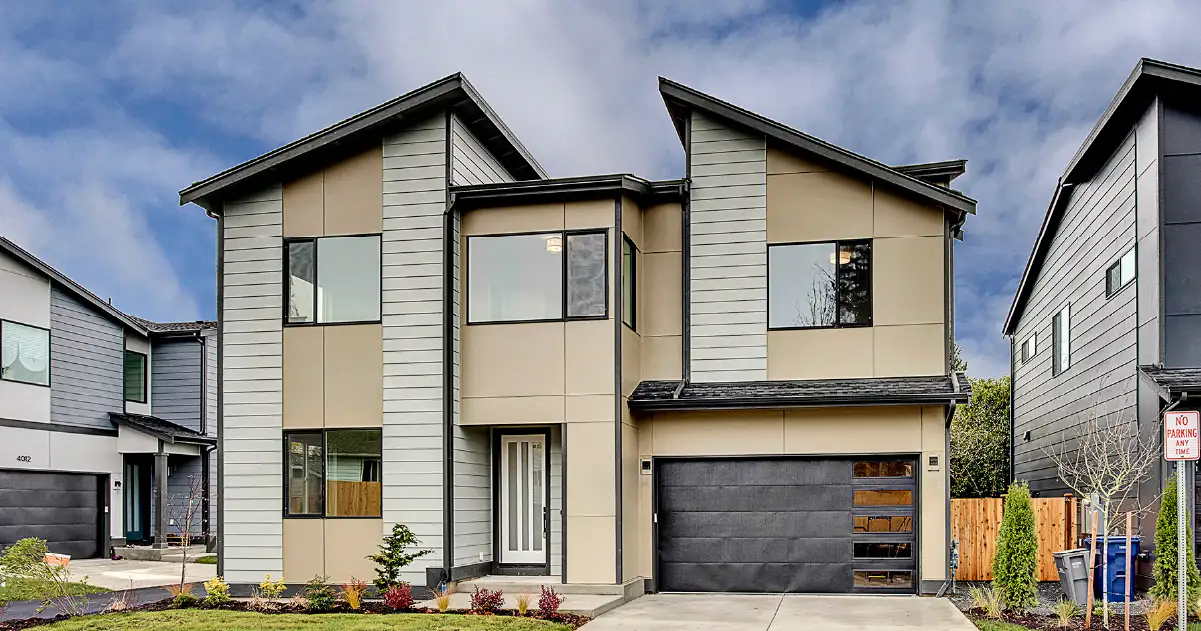
Author: sunilm

  • Fixed vs. Adjustable-Rate Mortgages: Which One is Right for You?

    Fixed vs. Adjustable-Rate Mortgages: Which One is Right for You?

    Have you started thinking about buying a home in Seattle? 

    Maybe you’ve been browsing, visiting open houses for new construction single-family homes with spacious layouts, or maybe that low-maintenance townhome near the city caught your eye. Once the excitement sets in, the list questions begin such as: 

    What floor plan works best for my lifestyle?  

    How much do I need for a down payment?  

    • And if it’s a townhome, what exactly are HOA fees and how do they factor in? 

    Many more…. List goes on 

    As you step ahead in the process, you’ll come across all kinds of important steps—like getting a home appraisal to confirm the property’s value, reading inspection reports, and adding entries to calculated closing costs. These are all essential parts of the process. But there’s one thread that ties everything together, it’s your mortgage which can truly make or break your buying experience.  

    As Mortgage can impact on your monthly payment, your long-term equity, and your overall financial comfort, choosing the right and best mortgage option is more than just comparing and analyzing interest rates. It’s about understanding how your loan is structured, how long you plan to stay in the home, what your future goals look like, and how market’s variable trends might affect you and your money management. 

    In this blog, we’re diving deep into mortgage management—breaking down the difference between Fixed-Rate Mortgages (FRMs) and Adjustable-Rate Mortgages (ARMs), how they work, and what’s happening in the Seattle market that could help you make the smartest decision possible. 

    So, if you’re ready to take a confident step toward homeownership, let’s get into the mortgage details every homebuyer needs to know. 

    Seattle’s Housing Market: An Overview

    Seattle’s housing market has exhibited notable fluctuations in recent years. According to the Washington State Economic and Revenue Forecast Council, home prices in the Seattle area increased by 5.6% from the previous year as of December 2024. This upward trend underscores the city’s robust demand for housing, influenced by factors such as population growth and economic vitality.  

    The U.S. Bureau of Labor Statistics reported that the Consumer Price Index (CPI) for the Seattle-Tacoma-Bellevue area rose by 2.5% over the 12 months ending in February 2025. This increase reflects broader economic conditions that can impact housing affordability and purchasing power.   

    Fixed-Rate vs. Adjustable-Rate Mortgages 

    When financing your home purchase, understand the distinctions between FRMs and ARMs: 

    Fixed-Rate Mortgage (FRM): As the name suggests, this mortgage type offers a constant interest rate and monthly payments that remain unchanged during the entire loan term, typically 15 or 30 years. The stability of FRMs helps to simplify budgeting and provides long-term predictability, making them a popular choice for buyers planning to stay in their homes for generations to come.  

    Adjustable-Rate Mortgage (ARM): ARMs feature an initial fixed-rate period (commonly 5, 7, or 10 years), after which the interest rate calculated periodically depending upon market conditions. This mortgage option often starts with a lower starting rate compared to FRMs, potentially leading to lower initial monthly payments. Once the fixed term period ends, your payment will transition to a variable structure, providing the potential to capitalize on favorable market shifts. If you anticipate relocating within a few years, ARM’s lower initial rates might be a better choice for you, especially when you sell the property before the adjustable period begins. 

    Deciding Mortgage Options in the Context of Seattle’s Market 

    When finalizing between an FRM and an ARM in Seattle’s current housing market dynamics check on the below list of the factors to be considered. 

    Duration of Homeownership: If you plan to stay in your new home long enough to watch your kids grow up, a Fixed-Rate Mortgage (FRM) could be the ideal choice. Its consistent payments option offers peace of mind and an opportunity to save from future interest rate increases.  

    Interest Rate Trends: Monitoring interest rate forecasts is crucial. While predicting future rates with certainty is challenging, understanding general trends can inform your decision. In a rising rate environment, locking in a fixed rate could be beneficial, whereas in a declining rate scenario, an ARM might offer initial savings.  

    Financial Stability and Risk Tolerance: Assess your financial situation and comfort with potential payment variability. FRMs provide stability, shielding you from interest rate fluctuations. ARMs, while initially more affordable, carry the risk of increased payments if rates rise after the fixed period. We need to strategically factor potential interest rate fluctuations within our long-term financial outlook, providing us with the ability to manage any future ARM payment increases effectively.  

    Affordability and Budget Considerations: Analyze your budget to determine how much you can afford in monthly payments. An ARM’s lower initial payments might allow you to afford a more expensive home or free up funds for other investments. However, ensure you can handle possible payment increases in the future.  

    Mortgage Choice for Type of the property 

    The type of property you’re finalizing can also influence your mortgage decision. While both single-family homes and townhomes offer their own unique benefits, the way you plan to live in and manage your home can help determine whether a Fixed-Rate or Adjustable-Rate Mortgage fits best. 

    Here’s how your choice of home might play a role: 

    Single-Family Homes:  

    If you’re drawn to the idea of more space, privacy, and a home that feels uniquely yours, a single-family home might be the perfect match. These homes tend to come with more flexibility for personal touches—and more responsibility, too. 

    More space & privacy – Ideal for growing families, home offices, or just extra breathing room. 

    Room to customize – From landscaping to remodeling, you usually have more freedom to make it your own. 

    Higher purchase price – These homes often cost more than townhomes, which may influence your loan choice. 

    Ongoing maintenance – You’ll manage things like yard care and repairs, so budgeting is important. 

    Flexible mortgage options – Whether you want the steady payments of a Fixed-Rate Mortgage or the initial savings of an ARM, either could work depending on your plans for staying long-term or moving later. 

    Townhomes: Townhomes offer a nice balance of independence and convenience, often in communities that handle exterior upkeep and shared spaces. If you prefer a low-maintenance lifestyle or are just getting started with homeownership, they’re definitely worth a look. 

    Lower maintenance – HOA fees usually cover exterior upkeep, landscaping, and common areas. 

    More affordable entry point – Typically less expensive than single-family homes, making them great for first-time buyers. 

    Community living – Many come with shared amenities like parks or walking trails. 

    HOA considerations – Monthly dues and rules can vary, so it’s important to factor them into your budget. 

    Mortgage flexibility – Depending on how long you plan to stay, either mortgage type could be a fit—especially if this is a starter home or part of a shorter-term plan. 

    Conclusion:  

    Seattle’s vibrant real estate market offers so many exciting opportunities for homeownership. Whether you’re getting ready to close on a beautifully designed single-family home or leaning toward the ease and charm of a modern townhome, choosing the right mortgage is a big part of the journey. By thinking through your long-term plans, financial comfort level, and understanding how Fixed-Rate and Adjustable-Rate Mortgages work, you can find the financing option that truly fits your lifestyle. 

    Remember, consulting with a mortgage professional can provide personalized insights tailored to your specific circumstances, ensuring you make an informed decision in this significant investment. 

    And if you’re still in the dreaming phase? Take a moment to explore the homes we’ve built across some of Seattle’s most loved neighborhoods like Bothell, Lynwood, Kenmore and many more. From open-concept floor plans to low-maintenance townhomes designed for modern living, our communities are built to support not just homeownership, but a better way of life. 

    Because finding the right mortgage is important—but loving where you live matters just as much. 

  • 4 Tips to Choose the Perfect Floor Plan for Your Family

    4 Tips to Choose the Perfect Floor Plan for Your Family

    When you’re diving into the exciting world of new construction homes, it’s easy to get swept up in the big picture – location, price, and picture-perfect exterior. But the heart of your home, the place where life unfolds, is all about the floor plan. Some homebuyers can get caught up in the excitement and overlook this aspect until they’re knee-deep in the process.

    A great new house floor plan isn’t just about square footage and fancy features. It’s about how your home feels, how it flows, and how it fits into the rhythm of your family’s life. It’s about creating a space that feels like it was designed just for you. So, how do you find that best home layout? Let’s dive into four essential tips to help you choose a new house floor plan that truly makes your everyday life easier, more comfortable, and a perfect reflection of your family’s unique needs.

    1. Live Your Life, Design Your Home: Prioritize Lifestyle and Space Needs

    Imagine a home designed to complement your lifestyle, not the other way around. Your home should reflect you—a space that effortlessly supports your daily routines and enhances your way of living. When you’re choosing a townhome floor plans or single-family floor plan, take a moment to really think about how your family lives day-to-day. What routines make life smoother? What are the little things that bring joy and comfort? And, importantly, what will your family need as time goes on? A well-designed layout should be your ally, simplifying your life, not adding to the chaos.

    For Growing Families: Visualize the chaos of toys scattered everywhere, the need for quiet homework time, and the joy of family movie nights. Look for homes with at least three bedrooms, a primary suite with a walk-in closet, and a flexible bonus room. That bonus room could start as a playroom, evolve into a teen hangout, and eventually become a study space. It’s all about adaptability.

    For Entertainers: Do you love hosting gatherings? Imagine the aroma of a holiday feast filling a spacious kitchen, the laughter of friends gathered around a kitchen island, and the seamless flow from indoor to outdoor spaces. An open-concept design is your best friend. Picture fun-filled parties, casual brunches under the sun, and memorable game-day celebrations.

    For Remote Workers: In today’s world, a dedicated workspace is a must. A quiet office or flex space can be a game-changer for your productivity and sanity. Live in a space where you can focus, take calls, and find your creative flow.

    For Empty Nesters: As your needs evolve, a primary suite on the entry-level becomes a haven of convenience and long-term comfort. Find a new home that’s easy to navigate, a place where you can relax and enjoy your newfound freedom.

    Don’t just think about today; think about tomorrow. Will this home still fit your lifestyle in five or ten years? The best house floor plan is one that grows with you, adapting to your changing needs.

    2. The Beauty of Functionality: Prioritize Flow and Purpose

    A home can be visually stunning, but if it doesn’t function well, it’s going to lead to daily frustrations. The best floor plans feel natural, like a well-choreographed dance, allowing you to move through your day with ease. On the flip side, a poorly designed layout can create hidden annoyances that you won’t notice until you’re living there.

    Layout That Works for You: Whether you’re considering a townhome or a sprawling single family house floor plan, every square foot should have a purpose. Ask yourself: Does the layout make sense? Is there a clear path from the kitchen to the living room? Are the bedrooms tucked away in a quiet corner of the house?

    Consider Your Daily Routine: Start with your morning routine. Is there a smooth flow from the bedroom to the bathroom to the kitchen? A well-planned, best home layout creates a sense of calm and order, making your home feel comfortable, not cramped or awkward.

    3. Let the Light In, Embrace the Outdoors: Natural Light and Outdoor Living

    A home filled with natural light just feels brighter, bigger, and more inviting. It’s like a breath of fresh air, lifting your spirits and creating a warm, welcoming atmosphere. Townhome floor plan or single-family floor plan that embrace large windows and outdoor spaces add both style and functionality to your everyday life.

    Large Windows: More than just letting in sunlight, large windows act as living artwork, framing the beauty of each season. They offer a dynamic design element that evolves throughout the year, allowing you to enjoy the view when you want or create privacy when needed.

    Outdoor Connections: Patios, decks, and balconies extend your living space, creating a seamless transition between indoors and out. Sip your morning coffee with a dose of vitamin D, hosting an al fresco dinner under the stars, or curling up with a good book on a lounge chair, surrounded by nature’s beauty.

    Strategic Window Design: Thoughtfully placed windows not only brighten your home but also contribute to energy efficiency. Plus, indoor plants thrive in those sunlit spots, bringing life and a touch of nature inside.

    Homes with bright, open spaces tend to feel more welcoming and enhance your overall well-being. Studies have shown that natural light can boost your mood and create a more positive living environment.

    4. Evolving with You

    Life is full of changes, and your home should be able to adapt to those changes. Check the flexibility options in your house floor plan to ensure it meets your needs both today and in the future.

    Flexible Spaces: A bonus room might start as a toy station, progress to a playroom, become a study space, and eventually transform into a home office or guest room. It’s all about versatility.

    Room to Grow: Embrace Lifestyle Adjustments: Finding a home with room to expand allows you to embrace new hobbies and interests. Imagine a yoga studio, an art space, a home gym, or a cozy reading nook.

    Move-In Ready vs. Pre-Sale Options:

    Looking for a quick move? MSR Communities provides new construction move-in-ready homes, allowing you to begin your new life right away.

    Want to add a personal touch? We offer customization options on our pre-sale communities so you can affordably craft your dream home.

    Choosing a flexible floor plan ensures that your home will fit your family’s needs as life evolves.

    Final Thoughts:

    Your home’s floor plan is more than just walls and rooms; it’s the foundation of your daily life. It’s where memories are made, laughter is shared, and dreams are pursued. When choosing the best home layout, think about how it will function, how it will feel, and whether it will grow with you over the years.

    Whether you’re looking for a quick move-in home or a customizable build, MSR Communities has the perfect home is waiting for you. Let’s find your dream home today.

  • Do New Construction Homes Appraise Higher? 

    Do New Construction Homes Appraise Higher? 

    There are a lot of things to think about when you are buying a house. The property’s estimated value is one of the most important factors. This is because the appraised worth will determine how much you can borrow from the bank to pay for the purchase.  

    So, do newly built homes have more value than older ones? The answer is “it depends.”  

    Factors that affect how much a newly made home is worth   

    The assessed value of a brand-new home can change for a number of reasons. In these, you have to say where the house is located, how big and old it is, how well it was built, how well it’s in general, and what features and benefits it has.  

    Brand-new building review  

    Usually, homes that are brand new are worth more than homes that are older. New homes generally have better materials and designs, which is why this is the case. On top of that, they are easier to maintain and often use less energy.  

    This is usually the case, but sometimes it’s not. For example, a brand-new house made with low-quality materials or in a bad area might not be worth as much as an existing house in a good neighborhood.  

    This is about a new building. Who pays for the appraisal?  

    When a house is brand new, the buyer usually pays for the inspector. The builder can offer to pay for the review as part of the talks, though. 

    New home estimates that are less than the builder’s cost  

    People who buy a brand-new house might have to pay more than the builder’s price if the house is appraised at less than that amount. This could be a problem for some buyers, so before you make an offer on a brand-new house, make sure you get it checked out.  

    Evaluation of a new building before it’s finished  

    Lenders may ask to see an inspection of a newly made home before it is finished. This is because they want to make sure the house is built according to the plans and instructions.  

    How long does it take to sell a house?  

    The process of evaluating could take anywhere from a few days to several weeks. How long it takes will depend on how complicated the review is and how available the appraiser is.  

    Single family homes for sale  

    You want to buy a brand-new house. MSRCommunities has a wide range of great homes for you to choose from. Check out our available single family homes and newly built condos to see what makes MSRCommunities stand out in terms of quality and craftsmanship. Visit the MSRCommunities website to look at current homes, see detailed floor plans, and take video tours.   

    How Well New Construction Appraisals Are Done:  

    New Construction Appraisal—a more in-depth look: 

    • When looking at existing homes, it’s easy to find sales that are similar (comps). But when looking at new buildings, you need to use both a cost method and a market analysis.  

    • The cost method figures out how much it will cost to build the house from scratch by adding up the costs of goods, labor, and the builder’s profit.  

    • The market study looks at area sales of new homes that are similar, even if there aren’t many of them.  

    • Appraisers have to think a lot about the builder’s reputation, the quality of the materials, and the level of finishing.  

    Who Pays for Appraisal on New Construction? Also, why it’s important   

    • Usually, the buyer pays, but sometimes the builder’s role affects the appraiser’s choice.  

    • The buyer needs to be sure that the inspector knows how much a new home is worth and is doing it on their own.  

    • Check to see if you can choose your own appraiser if the building agrees to pay for one. 

    New Construction Appraisal Lower Than Builder Price – this happens a lot:   

    • There are several reasons why this could happen:   

    1.The builder’s prices are a bit too high.  

    2.Changes in the real estate market.  

    3.The appraiser’s wrong estimates of how much it would cost.  

    4.The builder added changes to the price that the appraiser doesn’t fully understand.  

    • Because of this, customers may need to:  

    1.Talk to the builder about getting a lower price.  

    2.Bring extra money to the closing.  

    3.Leave the deal alone.  

    Appraisal on New Construction Before Completion – Appraisals in Stages:

    • Lenders sometimes want to see reviews at different stages of building, especially for construction loans.  

    • For the investor, these “draw appraisals” make sure that their money is safe and that the project is going as planned.  

    • When the job is done, the last evaluation proves how much the house is worth for the permanent mortgage.  

    How Long Does a House Appraisal Take? Aspects of Time: 

    • Because of how complicated the process is, appraisals of new construction take longer than appraisals of old homes.  

    • The availability of similar sales statistics is one of the things that changes the timeline.  

    1.What the inspector needs to do.  

    2.How hard it is to build and how big the house is.  

    3.How available the builder is to give information.  

    Important Things for People Who Want to Buy: 

    • Do your research: Find out everything you can about the development and the building.  

    • Independent Evaluation: If you can, try to find your own independent evaluator.  

    • There should be buy contingency clauses in purchase agreements, and they should include appraisal terms.  

    • Know the market: Stay up to date on changes in the local real estate market.  

    In conclusion  

    Even though newly built homes may be worth more than old ones, the evaluation value can be affected by a number of factors. You should get an appraisal before you make an offer on a brand-new house so that you know how much you can afford to borrow. 


  • Decoding the Down Payment: How Much Do You Really Need to Buy a House?  

    Decoding the Down Payment: How Much Do You Really Need to Buy a House?  

    Many times, the single question that drives homeowners’ dream is “How much down payment do I need?” Though it can be intimidating, knowing your alternatives will help you to realize your dream. Let’s disentangle the down payment conundrum.  

    The Down Payment Landscape: Zero to Significant  

    A big 20% down payment can be frightening. Actually, though, the “right” down payment ranges greatly.  

     • Average Down Payment for a House:   

    Nationwide, loan types and market circumstances affect the average house down payment. It’s not always 20%.  

     • Typical House Down Payment for First Time Buyers:   

    Usually, first-time buyers down less than the norm. Loan choices and programs address especially them. Usually, the down payment on a house for first-time buyers is far less than the overall average.  

     • Lowest Down Payment for a House:   

    For conventional loans, the minimum down payment for a house can be as low as 3%; for FHA loans, it is just 3.5%. For qualified veterans, VA loans have the opportunity of zero down.  

    The Zero Down Payment Myth (and Reality)  

     • Can one purchase a house without any down payment?   

    Indeed, it is feasible mainly through VA loans for veterans and some USDA loans in rural regions.  

     • How to buy a house without a down payment or no down payment home mortgage?   

    The most usually used paths are VA loans and USDA loans. These loans do, however, have particular eligibility conditions.  

    Generally speaking, no down payment home mortgage options are less popular.  

     • Small Down Payment Homes Loans:   

    Small down payment home loans made possible by FHA loans and conventional loans with programs like HomeReadyTM and Home Possible® let you  

    Often to safeguard the lender, these loans call for private mortgage insurance (PMI).  

    Determine your down payment by:  

     • Down Payment House: Figure Out   

    First, decide on your budget to then ascertain down payment house. Think over your income, savings, and monthly spending. To project your possible monthly payments depending on varying down payment levels, use online mortgage calculators. Consider closing expenses, which are apart from the down payment.  

    Variables influencing the down payment:  

     • Down payment requirements for FHA, VA, USDA, conventional loans vary.  

     • Higher credit scores will let you qualify for better interest rates and reduced down payment choices.  

     • Certain property types may call for a bigger down payment, depending on the lender.  

     • Individual lenders could have their own particular down payment requirements.  

    Finding Your Ideal House:  

     • For Sale: Single Family Homes; Newly Designed Townhouses  – 

    Understanding your down payment alternatives is the first step whether your search is for townhouses or single-family homes for sale.  

    Important Learnings:  

     • Not always necessary is a 20% down payment.  

     • Many loan programs provide either low or no down payment choices.  

     • Important are careful planning and budgeting.  

     • To find your best choices, see a mortgage lender.  

    Release yourself from the down payment myth. Your aspirations of homeownership can come true with hard study and preparation. Deciphering the Down Payment: Just How Much Do You Actually Need to Purchase a House?  

    Many times, the single question that drives homeowners’ dream is “How much down payment do I need?” Though it can be intimidating, knowing your alternatives will help you to realize your dream. Let’s disentangle the down payment conundrum. 

  • Do Townhomes Have HOA Fees? A Complete Guide 

    Do Townhomes Have HOA Fees? A Complete Guide 

    Holding a home comes with different references, especially when exploring various properties. Townhomes, which offer a mix of private homeownership and shared community living, often raise questions regarding Homeowners Association (HOA) fees. This guide will deliver insight into how these fees work and what they generally cover. 

    Are HOA Fees Required for Townhomes?

    In most cases, yes. Townhome communities generally have HOAs, though exceptions exist, particularly in older neighborhoods. However, the presence of an HOA is far more common, as it helps maintain shared spaces and upholds the community’s overall appearance.

    What Do HOA Fees Cover for a Townhouse? 

    HOA fees usually contribute to the following services: 
    • Landscaping of communal spaces 
    • Keeping shared facilities (such as pools, clubhouses, and playgrounds) 
    • Trash collection and snow disposal 
    • Periodically, exterior maintenance of buildings, though this depends on the detailed HOA agreement 

    Unlike condominiums, townhome HOA fees usually do not cover the interior or main exterior structure of an individual unit. Homeowners are generally responsible for those expenses. 

    Do All Townhomes Have an HOA?

    Although it is widespread, not every townhome has an HOA. Some older communities may not have a governing association. However, in most modern developments, an HOA is a standard feature. 

    Townhouse Pricing and HOA Fees

    Location, size, and amenities all affect the price of a townhouse. Similar variations in HOA fees depend on: 

    • Location: Increased cost of living areas can translate into higher raised HOA rates. 

    • Amenities: Usually, neighborhoods with complete facilities—such as pools and exercise centers—demand more money. 

    • Maintenance Needs: The general cost depends on the degree of services rendered by the HOA. 

    When looking at a townhouse, you have to consider HOA costs with the buying price. 

    Affordable Townhomes

    There are a few areas to consider when looking for affordable townhomes: 

    • Location: Suburbs tend to be more affordable than city centers. 

    • Age of the development: Older townhome communities may offer lower price points and HOA fees. 

    • Size and amenities: The smaller the townhome and the fewer amenities it has, the more affordable it tends to be. 

    If considering affordable townhomes, always request a full disclosure of HOA fees and their details. 

    Diving Deeper into HOA Documents:  

    • Examining HOA Documents: The rulebook of the HOA is its C&Rs, or covenant, condition, and restriction book. They outline your rights to use your property—that is, your rights to keep pets, make exterior modifications, and park. Before you purchase a townhouse, always be sure you review the CC&Rs. 

    • Bylaws: Usually covering how meetings are handled, how the board is chosen, and how decisions are made, these papers help to control the interior operations of the HOA.  

    • Financial statements : Ask for and go over the financial statements of the HOA. Whether the association has reserve money for future repairs and maintenance, that will indicate its financial situation. A good reserve fund lessens the possibility of exceptional assessments.  

    Special Assessments:  

    • These are additional fees levied on homeowners to cover unexpected or significant expenses that the regular HOA fees don’t cover.  

    • Examples include major roof repairs, unexpected landscaping projects, or legal fees.  

    • Understanding the HOA’s financial health can help you anticipate potential special assessments.  

    The Benefits of an HOA:  

    • But although HOA fees may seem like another item on your expense list, they come with numerous perks: 

    • Maintained Property Values: By ensuring that homes and properties are well-maintained, HOAs help maintain the community’s appearance, thus potentially preserving, if not increasing, property values. 

    • Community Amenities: HOA benefits may include access to local amenities such as pools, gyms and playgrounds. 

    • Dispute Resolution: HOAs can mediate disputes between neighbors. 

    • Convenience: HOA amenities such as landscaping and snow removal can give you more time. 

    Things to Consider Before Buying: 

    • What are the specific HOA fees and what do they include? 

    • How frequently have HOA fees increased historically? 

    • What is the HOA’s financial health, and are there adequate reserve funds?  

    • Are there any planned special assessments?  

    • What are the CC&Rs and bylaws, and may they restrict me?  

    • The state of parking?  

    • What are pet rules?  

    • How would one go about altering the house’s outside?

    Key Takeaways:  

    • Budgeting depends on knowing what HOA fees cover; townhouse ownership includes a regular cost.  

    • Examining “townhouses for sale near me” should always include a consideration of HOA expenses.  

    Knowing these features can help you decide whether or not a townhouse is the next dwelling you want. 

  • Explore The Shore16: Elevating Your Lifestyle with Luxury Townhomes 

    Explore The Shore16: Elevating Your Lifestyle with Luxury Townhomes 

    Nestled in the heart of Kenmore, Washington, The Shore16  is a premier collection of luxury townhomes that seamlessly blend modern sophistication with the serene beauty of the Pacific Northwest. Designed to offer an unparalleled living experience, these 16 exclusive homes present a rare opportunity for homeowners seeking a perfect balance of urban convenience and natural retreat. Whether you’re a young professional, a growing family, or someone looking to downsize while maintaining an upscale lifestyle, The Shore16 has something for everyone. 

    A Prime Location with Unmatched Accessibility 

    One of the biggest advantages of The Shore16 is its prime location at 18703 68th Ave NE, Kenmore, WA. Situated at the northern tip of Lake Washington, this community offers easy access to major urban hubs while still retaining the charm and tranquility of a suburban oasis. 

    • Commute Made Easy: With Highway 522 just minutes away, residents enjoy a seamless drive to Seattle and Bellevue, both approximately 30 minutes away. 
    • Proximity to Nature: Outdoor enthusiasts will love being steps away from the Burke-Gilman Trail, a haven for bikers, joggers, and walkers looking to immerse themselves in nature. 
    • Vibrant Downtown Scene: Kenmore’s rapidly growing downtown features an array of trendy restaurants, cafes, and boutique shops, ensuring there’s always something exciting to explore. 
    • Wine Country at Your Doorstep: Just a short drive away, Woodinville Wine Country offers a premium selection of wineries and tasting rooms, making weekend getaways a delight. 
    • Education & Culture: For those in academia or research, University of Washington Bothell is conveniently located nearby, offering endless learning opportunities and a vibrant cultural scene. 

    Elegant and Thoughtfully Designed Homes 

    Each of the 16 luxury townhomes at The Shore16 is meticulously crafted with modern elegance, functional design, and top-tier finishes. With spacious layouts and premium amenities, these homes redefine upscale living. 

    Key Home Features: 

    • Spacious Layout: With 1,775 sq. ft. of living space, each home features four bedrooms and three bathrooms, providing ample space for comfortable living. 
    • Luxury Interiors: Every home is adorned with luxury vinyl plank (LVP) flooring, an electric fireplace, and central air conditioning, ensuring a cozy yet sophisticated ambiance. 
    • Gourmet Kitchen: Designed for culinary enthusiasts, the kitchen is equipped with KitchenAid stainless steel appliances, quartz countertops, and stylish modern cabinetry. 
    • Flexible Living Spaces: The lower-level bedroom comes with an ensuite bath, making it perfect for guests, a home office, or even a rental space. 
    • Serene Outdoor Living: A covered Trex deck extends the living space outdoors, allowing homeowners to relax and entertain while enjoying scenic views. 
    • Secure Parking: Each home includes a two-car side-by-side garage, providing convenience and additional storage space. 

    A Community Built for Modern Lifestyles 

    Beyond the stunning interiors and well-thought-out floor plans, The Shore16 is designed to foster a sense of community and connectivity. Homeowners will find themselves part of a close-knit neighborhood with plenty of opportunities for social engagement and outdoor recreation. 

    Lifestyle Benefits of The Shore16: 

    • Top-Rated School District: Families will appreciate being part of the highly acclaimed Northshore School District, ensuring access to some of the best educational institutions in the region. 
    • Weekend Adventures: From kayaking on Lake Washington to hiking in Saint Edward State Park, the outdoor possibilities are endless. 
    • Pet-Friendly Environment: The community welcomes furry friends, with plenty of nearby parks and open spaces for them to roam. 
    • Eco-Friendly Living: Energy-efficient features and sustainable materials contribute to an environmentally conscious living experience. 

    Why Choose The Shore16? 

    If you’re looking for a home that combines modern luxury, thoughtful design, and a vibrant community, The Shore16 is the ideal choice. With only 16 exclusive townhomes available, this is a limited opportunity to invest in a home that truly elevates your lifestyle. 

    • Modern, high-end finishes that set new standards for townhome living 
    • Strategic location with easy access to Seattle, Bellevue, and major attractions 
    • Designed for comfort, functionality, and long-term value 
    • Access to nature, top-rated schools, and a thriving local community 

    Schedule a Tour Today 

    Don’t miss the chance to experience The Shore16 in person. Join us for an Open House every Saturday and Sunday from 12 PM to 3 PM, or schedule a private tour at your  

    Experience the perfect blend of luxury, convenience, and natural beauty at The Shore16—where modern living meets tranquil elegance. 

  • How To Convert Your Backyard into A Kids’ Playground

    How To Convert Your Backyard into A Kids’ Playground

    Seattle, with its lush greenery and (sometimes) sunny skies, is a wonderful backdrop for childhood adventures. If you’re a parent in the Emerald City looking to encourage outdoor fun and reduce screen time, transforming your backyard into a play space can be a fantastic option. 

    Having a spacious yard in a single-family home provides plenty of opportunities to design an engaging play area that fits your needs. 

    Seattle’s climate—with its mild summers and frequent rainy days—means you’ll want to choose playground equipment that can handle moisture while still providing year-round entertainment. In this guide, we’ll explore backyard playground ideas to help you create a kid-friendly retreat.

    Backyard Playground Ideas for Different Spaces

    There are plenty of ways to make the most of your backyard. Here are some fantastic ideas to consider:

    The Classic Swing Set: A timeless favorite, swing sets provide hours of entertainment. Options with multiple swings, a glider, or even a trapeze bar can add variety. Choosing a model with a canopy can also help provide some shelter from Seattle’s frequent rain.

    The Multi-Activity Center: For those with a bit more space, a multi-activity playset can be a great option. These structures often combine swings, slides, climbing walls, and playhouses, offering a variety of activities for kids of different ages.

    The Sandbox Adventure: A sandbox can be a wonderful addition for younger children, providing opportunities for imaginative play. Adding toys, shovels, and buckets enhances the experience, while a cover helps keep it clean and dry.

    The Playhouse Hideaway: A playhouse—whether styled as a castle, pirate ship, or cozy cottage—can encourage creativity and independent play. Opt for a weather-resistant model and personalize it with paint and decorations.

    The Climbing Challenge: Climbing walls, rope ladders, and monkey bars help build strength and coordination while keeping kids engaged. Including a soft-landing area with materials like rubber mulch can enhance safety. 

    Steps to Create Your Backyard Playground

    Turning your backyard into a fun and safe play space takes some planning. Here’s how to bring your vision to life:

    • Step 1: Measure Your Space

    Carefully measure your backyard to determine what size equipment will fit comfortably.

    • Step 2: Set a Budget

    Playground equipment varies in price, so having a budget in mind can help narrow down options.

    • Step 3: Choose the Right Equipment

    Explore online retailers and local stores for quality playground equipment. Checking reviews and comparing prices can help you find a great fit for your space. 

    • Step 4: Prepare the Ground 

    Leveling the area where you plan to install the playground and using materials like rubber mulch, sand, or artificial grass can create a soft, safe play surface that drains well. 

    • Step 5: Installation 

    Some playgrounds require professional installation, while others are DIY-friendly. If assembling yourself, carefully follow the instructions. 

    • Step 6: Prioritize Safety 

    Regular maintenance is key. Ensure equipment is securely installed, check for loose bolts, worn-out parts, and general wear and tear, and always supervise children while they play.

    Year-Round Backyard Enjoyment Ideas

    A backyard play space can be a hub for year-round fun. Here are some seasonal activities to keep things exciting: 

    • Spring: Host an egg hunt, decorate Easter eggs, or plant kid-friendly flowers. 
    • Summer: Set up a sprinkler system for water play, create a backyard camping experience, or organize a mini sports day. 
    • Fall: Carve pumpkins, set up a scavenger hunt for fallen leaves, or build an outdoor reading nook. 
    • Winter: Create a hot cocoa stand, decorate a small outdoor tree, or build a mini snow park if it snows. 

    Choosing Playground Equipment for Seattle’s Climate

    Given Seattle’s wet weather, durability and weather resistance should be top priorities when selecting playground equipment. Consider these materials: 

    • Cedar or Redwood: Naturally resistant to decay and insects, making them great for wooden playsets.
    • Powder-Coated Metal: Helps prevent rusting and ensures long-lasting fun. 
    • Weather-Resistant Plastic: Ideal for slides, swings, and climbing structures that won’t warp in the rain. 
    • Waterproof Paint & Sealants: Extend the lifespan of wooden structures by applying weather-resistant coatings. 

    Creating a Safe & Engaging Play Environment

    Safety is key when designing a backyard play space. Keep these tips in mind: 

    • Use Soft Landing Surfaces: Materials like rubber mulch, wood chips, or pea gravel provide cushioning and improve drainage. 
    • Ensure Secure Anchoring: All equipment should be properly installed to prevent tipping. 
    • Opt for Rounded Edges & Safety Nets: Reduce the risk of injuries with child-friendly designs. 
    • Regularly Inspect & Maintain Equipment: Tighten bolts, clean surfaces, and check for wear and tear. 

    Conclusion: The Perfect Backyard and the Perfect Home

    Transforming your backyard into a fun and engaging play space doesn’t have to be complicated. With a single-family home having a backyard, you have the flexibility to design an outdoor play area that suits your child’s needs.

    If you’re considering moving to a home with more outdoor space, Seattle area offers fantastic options for single-family homes.  Check out new construction homes built by MSR Communities, including floor plans and customization options, to find a home that provides the ideal backyard for endless adventures.

    Now is a great time to explore available homes, find a layout that suits your family’s needs, and create the perfect outdoor retreat. 

  • Financing Your Dream Home: Mortgage Options for Single-Family Homes 

    Financing Your Dream Home: Mortgage Options for Single-Family Homes 

    Buying a single-family home is a significant milestone for many. However, the financial aspect can seem daunting. Understanding your mortgage options is crucial to making an informed decision. 

    Single-family homes Mortgage Rates 

    Single-family home mortgage rates are influenced by various factors, including: 

    • Economic conditions: Inflation, unemployment, and interest rates set by the Federal Reserve. 
    • Credit score: A higher credit score generally leads to lower interest rates. 
    • Loan type: Different loan types (e.g., conventional, FHA, VA) have varying interest rates. 
    • Down payment: A larger down payment often results in better rates. 
    • Loan term: Shorter loan terms typically have lower interest rates but higher monthly payments. 

    Do Mortgage Rates Differ Between Townhomes and Single-Family Homes? 

    While slight variations may exist, mortgage rates for townhomes and single-family homes are generally similar. The primary factors influencing rates remain the same: credit score, loan type, down payment, and market conditions. 

    Are Condo Mortgage Rates Higher Than Single-Family Homes? 

    Condo mortgage rates can sometimes be slightly higher than those for single-family homes. This is because lenders may perceive condos as having a higher risk due to factors like: 

    • Homeowners’ association (HOA) regulations: Potential for restrictive rules or special assessments. 
    • Market demand: Lower demand for condos in certain areas can impact property values. 
    • Building condition: Older buildings may have higher maintenance costs. 

    Best Mortgage Options for Single-Family Homes 

    The “best” mortgage option depends on your individual circumstances. Some popular choices include: 

    • Conventional Loans: Offer flexibility and competitive rates for borrowers with good credit. 
    • FHA Loans: Require lower down payments and are suitable for first-time homebuyers. 
    • VA Loans: Available to eligible veterans and offer attractive benefits like no down payment requirement. 
    • USDA Loans: Designed for rural homebuyers and often have lower interest rates. 

    Single-Family Home Mortgage Loans 

    Single-family home mortgage loans provide financing to purchase a detached house that sits on its own land. These loans come in various forms, each with its own set of eligibility criteria and terms. 

    Key Takeaways: 

    • Thoroughly research different mortgage options to find the best fit for your financial situation. 
    • Consider factors like credit score, down payment, and loan term when comparing rates. 
    • Consult with a qualified mortgage lender to discuss your options and get personalized advice. 

    Understanding Different Mortgage Types 

    • Conventional Loans: These are the most common type, not backed by the government.  
    • Conforming Loans: Adhere to strict guidelines set by Fannie Mae and Freddie Mac, making them easier to sell on the secondary market. 
    • Jumbo Loans: Exceed the conforming loan limit, generally requiring higher credit scores and down payments. 
    • Government-Backed Loans: Offer more flexibility for borrowers with lower credit scores or smaller down payments.  
    • FHA Loans: Insured by the Federal Housing Administration, allowing for lower down payments and more lenient credit requirements. 
    • VA Loans:1 Guaranteed by the Department of Veterans Affairs, offering benefits like no down payment requirement for eligible veterans. 
    • USDA Loans: Backed by the U.S. Department of Agriculture, designed for rural homebuyers

    Key Considerations When Choosing a Mortgage 

    • Interest Rates: Compare rates from multiple lenders to secure the best deal. 
    • Loan Term: Shorter terms (like 15 years) have higher monthly payments but lower overall interest costs. 
    • Down Payment: A larger down payment generally leads to lower interest rates and lower monthly payments. 
    • Credit Score: A higher credit score improves your chances of qualifying for better rates and terms. 
    • Debt-to-Income Ratio: Lenders consider your total debt obligations (including the mortgage) compared to your income. 

    The Homebuying Process 

    1. Get Pre-approved: This gives you a better understanding of how much you can afford to borrow. 
    1. Find a Real Estate Agent: A good agent can help you find the right home and navigate the complexities of the market. 
    1. Make an Offer: Negotiate the price and terms of the sale with the seller. 
    1. Home Inspection: Conduct a thorough inspection to identify any potential issues. 
    1. Loan Application and Approval: Submit your loan application and work with your lender to finalize the approval process. 
    1. Closing: Sign the necessary documents and finalize the purchase of your home. 

    By carefully considering these factors and seeking professional guidance, you can increase your chances of successfully financing your dream home

  • Newly Built Townhomes for Sale: Explore Your Options with MSR Communities 

    Newly Built Townhomes for Sale: Explore Your Options with MSR Communities 

    Are you in search of a modern, well-crafted home that combines comfort, convenience, and community living? Look no further than MSR Communities’ newly built townhomes for sale. With a strong reputation for quality and thoughtfully designed spaces, MSR Communities offers stunning new construction  townhomes in prime locations like Bothell and Kenmore, WA. 

    Whether you’re a first-time homebuyer, a growing family, or someone looking to downsize, townhomes provide the perfect blend of private homeownership and low-maintenance living. Let’s explore why these new homes for sale are a fantastic investment and take a closer look at some of MSR’s most sought-after communities. 

    Why Consider a Townhome? 

    Townhomes offer an ideal middle ground between condos and single-family homes, providing homeowners with a sense of privacy while still benefiting from shared amenities and professional maintenance services. Here are a few reasons why townhomes might be the perfect fit for you: 

    1. Low Maintenance Lifestyle 

    Unlike standalone houses, townhomes require minimal upkeep, as landscaping and exterior maintenance are often handled by the homeowners’ association (HOA). This allows you to enjoy the benefits of homeownership without the hassle of constant yard work or structural repairs. 

    2. Modern & Energy-Efficient Design 

    Newly built townhomes are designed with contemporary aesthetics, open-concept living spaces, and smart-home technology. They often come equipped with energy-efficient appliances, high-performance insulation, and sustainable materials, reducing utility costs and making them more environmentally friendly. 

    3. Prime Locations 

    Townhomes are usually built in well-connected neighborhoods with easy access to schools, shopping centers, dining spots, and recreational areas. MSR Communities specifically selects locations that offer both convenience and a vibrant community atmosphere. 

    4. Affordability Compared to Single-Family Homes 

    New construction townhomes typically come at a lower price point than single-family homes in the same area, making them an attractive option for first-time buyers. Plus, with brand-new construction, you won’t have to worry about costly renovations or unexpected repairs. 

    MSR Communities: A Name You Can Trust 

    MSR Communities has built a reputation for creating luxurious, high-quality townhomes that cater to a variety of lifestyles. Their developments prioritize thoughtful floor plans, premium finishes, and prime locations that allow homeowners to enjoy a seamless blend of comfort and sophistication. 

    Here’s a look at some of the best townhomes for sale from MSR Communities: 

    1. Lotus24 – Paired Homes That Live Like Single-Family Residences 

    Lotus24 offers an exclusive collection of 24 paired homes featuring: 

    • Expansive open-floor plans with ample natural light 
    • Chef’s kitchens with premium appliances 
    • Central air conditioning for year-round comfort 
    • Spa-like primary suites with luxurious finishes 

    With close proximity to top-rated schools, parks, and shopping centers, Lotus24 offers an exceptional lifestyle in one of Washington’s most desirable locations. 

    2. Shelton Grove – Boutique Community with High-End Features 

    Shelton Grove is a charming, intimate community of only eight paired homes and one single-family residence. Homeowners here enjoy: 

    • Sophisticated interiors with designer finishes 
    • Spacious floor plans ranging from 2,352 to 3,026 sq. ft. 
    • Serene, tree-lined surroundings that enhance privacy 

    These homes are perfect for those seeking a quiet, upscale neighborhood with easy access to city amenities. 

    3. The Shore16 – Luxury Living by the Water 

    For those who love scenic waterfront living, The Shore16 offers townhomes just steps from Lake Washington. This community is ideal for: 

    • Outdoor enthusiasts who enjoy biking, hiking, and kayaking 
    • Commuters looking for easy access to Seattle and Bellevue 
    • Wine and food lovers with nearby restaurants and wineries 

    With 1,775 sq. ft. of beautifully designed space, The Shore16 provides an urban retreat with nature at your doorstep. 

    4. Rêve59 – Artfully Crafted Modern Townhomes 

    Rêve59 is a community of 59 luxurious townhomes offering: 

    • Contemporary architecture with high-end finishes 
    • Floor plans ranging from 2,147 to 2,734 sq. ft. 
    • Innovative design elements for maximum comfort 

    These homes are designed for modern homeowners who appreciate sleek aesthetics and functional layouts. 

    Benefits of Buying a New Construction Townhome 

    If you’re considering purchasing a new home for sale, choosing a new construction townhome comes with several advantages: 

    • Brand New, Move-In Ready: No need to deal with outdated layouts or renovations. Your home is built with the latest standards in mind. 
    • Warranty Protection: Enjoy peace of mind knowing that structural and appliance warranties are included. 
    • Customization Options: Depending on the stage of construction, you may have the chance to choose finishes, fixtures, and even layouts. 
    • Lower Maintenance Costs: Modern construction techniques and high-quality materials mean fewer repairs and lower maintenance expenses. 

    How to Choose the Right Townhome for You 

    When searching for the perfect townhome, consider: 

    • Your Budget: Determine what fits within your financial plan, factoring in mortgage, HOA fees, and property taxes. 
    • Location Preferences: Prioritize proximity to work, schools, and lifestyle amenities. 
    • Community Features: Look into HOA benefits, shared amenities, and neighborhood ambiance. 

    Find Your Dream Home with MSR Communities 

    MSR Communities takes pride in building high-quality townhomes that cater to different lifestyles and budgets. Their newly built townhomes for sale offer modern living spaces, energy-efficient designs, and prime locations that make for a smart investment. 

    By choosing MSR Communities, you’re investing in quality, comfort, and long-term value. Whether you’re drawn to the lakeside tranquility of Kenmore or the vibrant atmosphere of Bothell, there’s a perfect townhome waiting for you. 

    Start your homeownership journey today with MSR Communities! Visit MSR Communities today to explore available properties and schedule a tour! 

  • Transform Your Life This New Year: Why Buying a New Construction Home in 2025 Is an Attainable Goal 

    Transform Your Life This New Year: Why Buying a New Construction Home in 2025 Is an Attainable Goal 

    New Year, New Home: 

    As we embark on a fresh start in 2025, many of us are evaluating our goals and aspirations. For those dreaming of homeownership, this year could be the perfect time to make that dream a reality. The new home construction market is poised for growth, offering a unique opportunity to find the perfect space to call your own. 

    Why Consider New Construction Homes for Sale in 2025? 

    • Modern Amenities and Energy Efficiency: New construction homes are built with the latest technologies and energy-efficient features, saving you money on utility bills and reducing your environmental impact. 
    • Customization Options: From floor plans and finishes to appliances and fixtures, new construction often allows for a high degree of personalization. You get to design the home of your dreams, tailored to your specific needs and preferences. 
    • Warranty and Peace of Mind: New construction homes typically come with warranties covering structural integrity and major systems, providing peace of mind and protection against unforeseen issues. 
    • Community and Lifestyle: Many new construction communities offer a range of amenities, from swimming pools and playgrounds to walking trails and community centers, fostering a vibrant lifestyle. 

    Making Homeownership a Reality in 2025: 

    • Financial Planning: Get pre-approved for a mortgage to understand your budget and explore various financing options. 
    • Research and Location: Identify your ideal location and explore communities offering new construction homes for sale. 
    • Work with a Reputable Builder: Choose a builder with a strong reputation and a track record of quality construction. 
    • Stay Informed: Keep up-to-date on market trends, interest rates, and available incentives. 

    Once you’ve identified a few new construction homes for sale that pique your interest, the journey is far from over.  

    Here’s how to move forward: 

    • Schedule a Visit: Tour the model homes and any available pre-construction units to get a feel for the layout, quality of construction, and overall community atmosphere. 
    • Ask Questions: Don’t hesitate to ask your builder questions about everything from construction timelines and warranty details to community amenities and HOA fees. 
    • Review Contracts Carefully: Before signing any contracts, have them reviewed by a legal professional to ensure your rights and interests are protected. 
    • Stay Organized: Keep all your documents, communication records, and financial information organized throughout the process. 

    Building Your Dream Home: A Collaborative Process 

    Remember, building a new home is a collaborative process. Communicate openly and honestly with your builder throughout the construction phase. 

    • Attend Construction Site Visits: Visit the site regularly to monitor progress and address any concerns promptly. 
    • Choose Your Finishes: Work closely with your builder to select the finishes and features that best reflect your personal style and needs. 
    • Be Patient: Construction timelines can sometimes be subject to delays. Maintain open communication with your builder and try to remain patient throughout the process. 

    Moving In and Beyond: 

    Finally, the day arrives when you can move into your brand-new home! 

    • Unpack and Settle In: Take the time to unpack, decorate, and make your new home truly feel like your own. 
    • Explore Your Community: Get to know your neighbors and participate in community events to build lasting connections. 
    • Maintain Your Home: Schedule regular maintenance checks and address any issues promptly to ensure your home remains in top condition for years to come. 

    Buying a new home can be a significant investment, but it’s also an investment in your future and well-being. With careful planning and the right approach, making your dream of homeownership a reality in 2025 is an attainable goal. 

    For those considering new homes for sale in the Seattle area, MSR Communities offers a compelling option. With a focus on quality craftsmanship, innovative designs, and a commitment to creating vibrant communities, MSR Communities is a trusted name in the homebuilding industry. visit MSR Communities’ official page to schedule a visit. 

    Ready to take the next step? Start your search for new construction homes for sale today and discover the perfect place to create lasting memories.